









For private customers
At checkout, product prices are automatically adjusted according to the VAT rate in your delivery country.

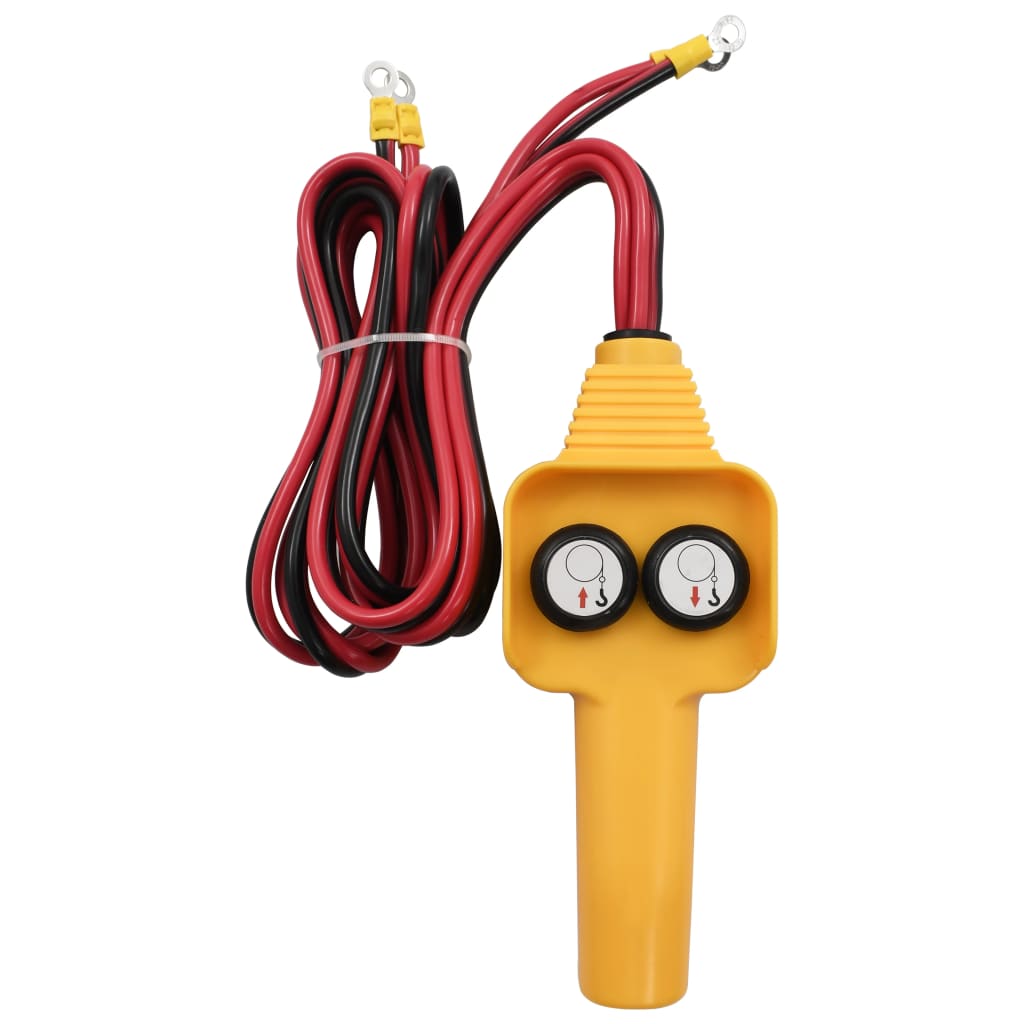
SKU: 210229
EAN: 8718475863465
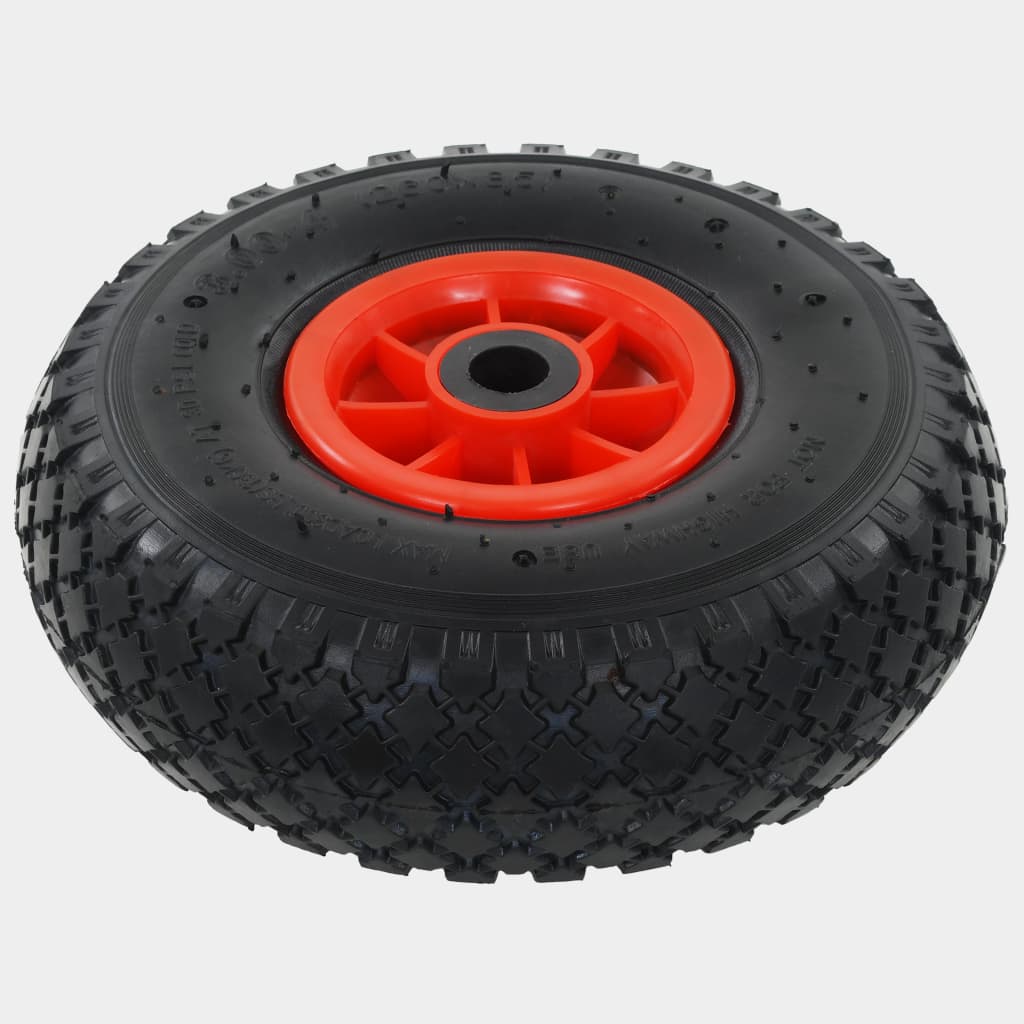
SKU: 142969
EAN: 8718475616177
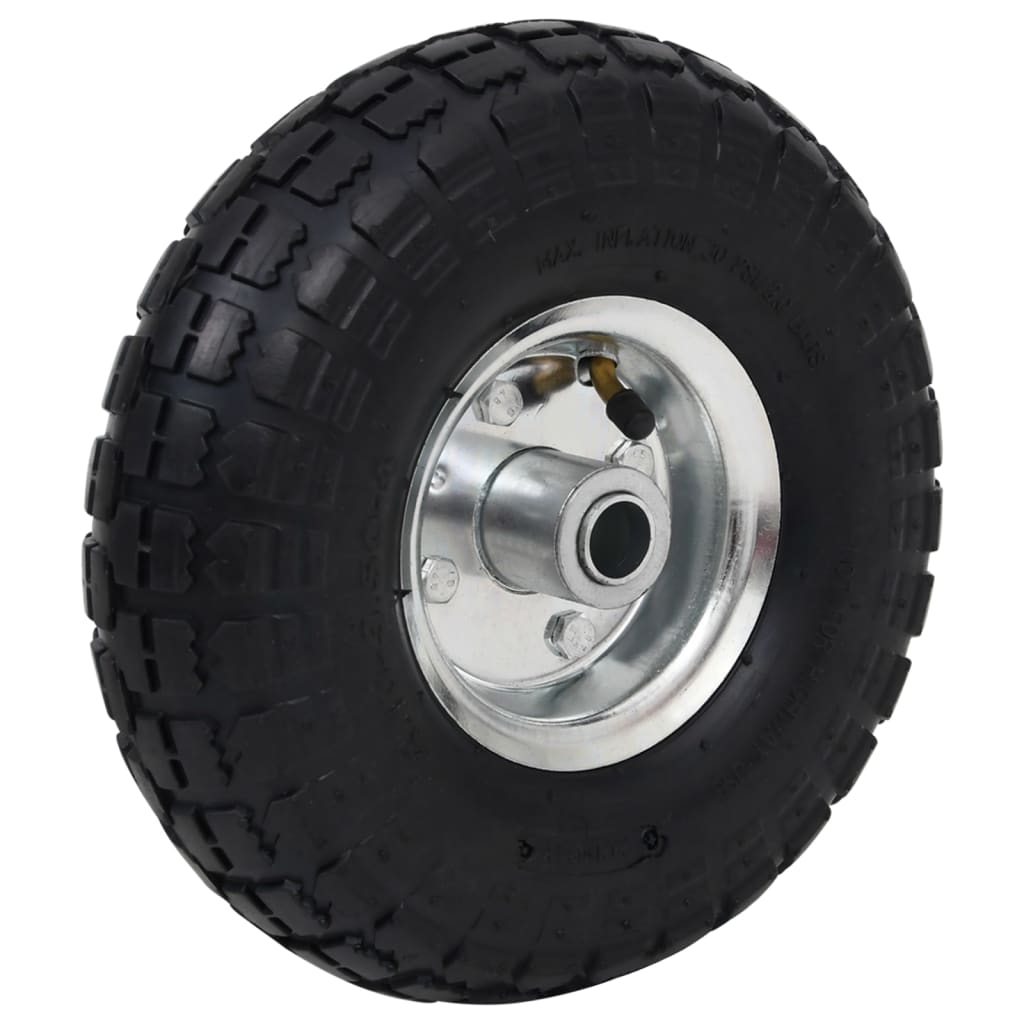
SKU: 142975
EAN: 8718475616238
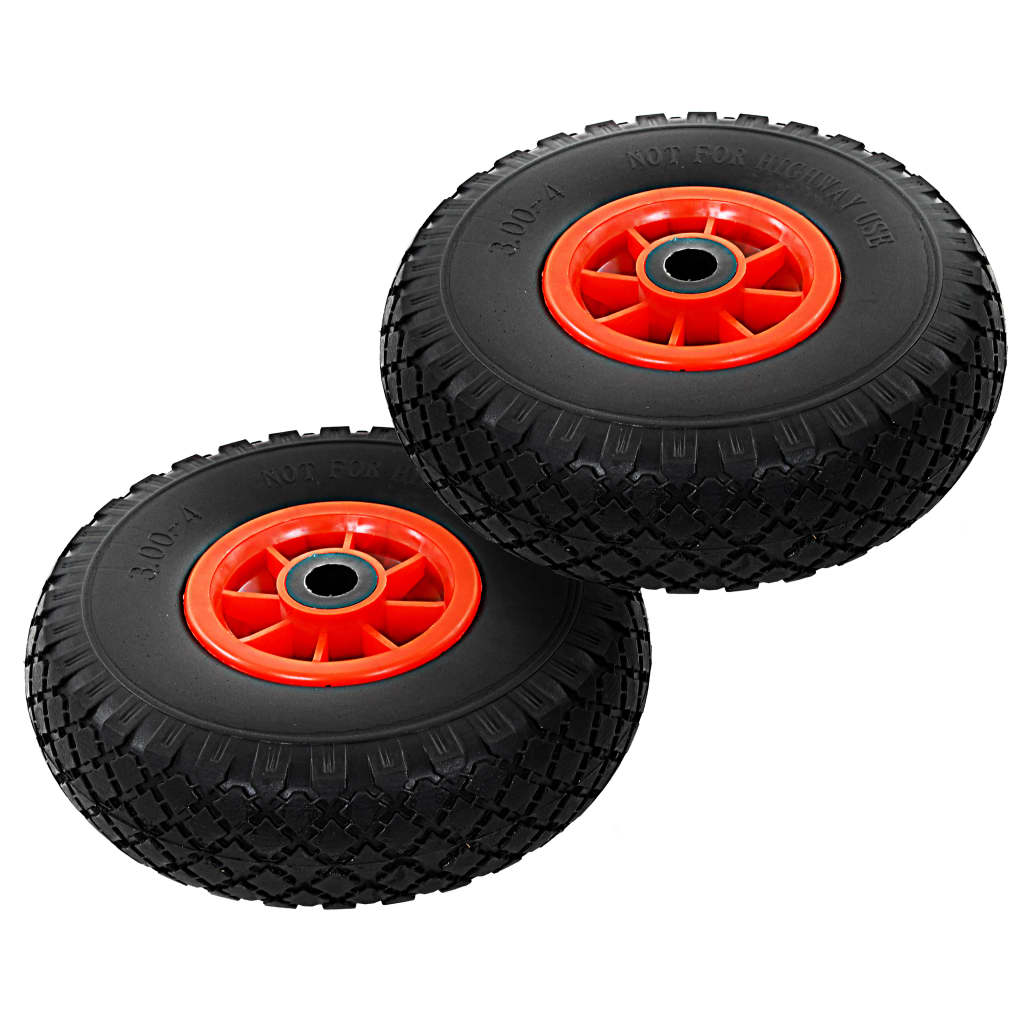
SKU: 142971
EAN: 8718475616191

SKU: 142978
EAN: 8718475616269
SKU: 142982
EAN: 8718475616306


SKU: 146512
EAN: 8720286013830

SKU: 42041172
EAN: 8721451281948
SKU: 210447
EAN: 8718475726067
Moving heavy items is a daily task in industry, warehousing and construction, requiring both strength and precision. The right lifting equipment is more than just a tool: it’s a strategic investment that boosts efficiency, keeps workers safe and helps optimise the entire material handling process. Here you’ll find a wide range of lifting equipment designed to meet the needs of even the most demanding professionals.
Before deciding what lifting equipment to buy, consider a few key criteria. The right choice ensures the equipment serves you safely and reliably for years to come. The price depends directly on its features and capacity, so doing your research is essential.
The most critical factor is the maximum load the equipment can lift safely. This is usually stated in kilograms (kg) or tonnes (t). Our range includes models from lightweight units with a 100 kg lifting capacity to industrial solutions capable of lifting several tonnes. It’s always wise to choose a model with a capacity at least 20% greater than the heaviest item you regularly lift.
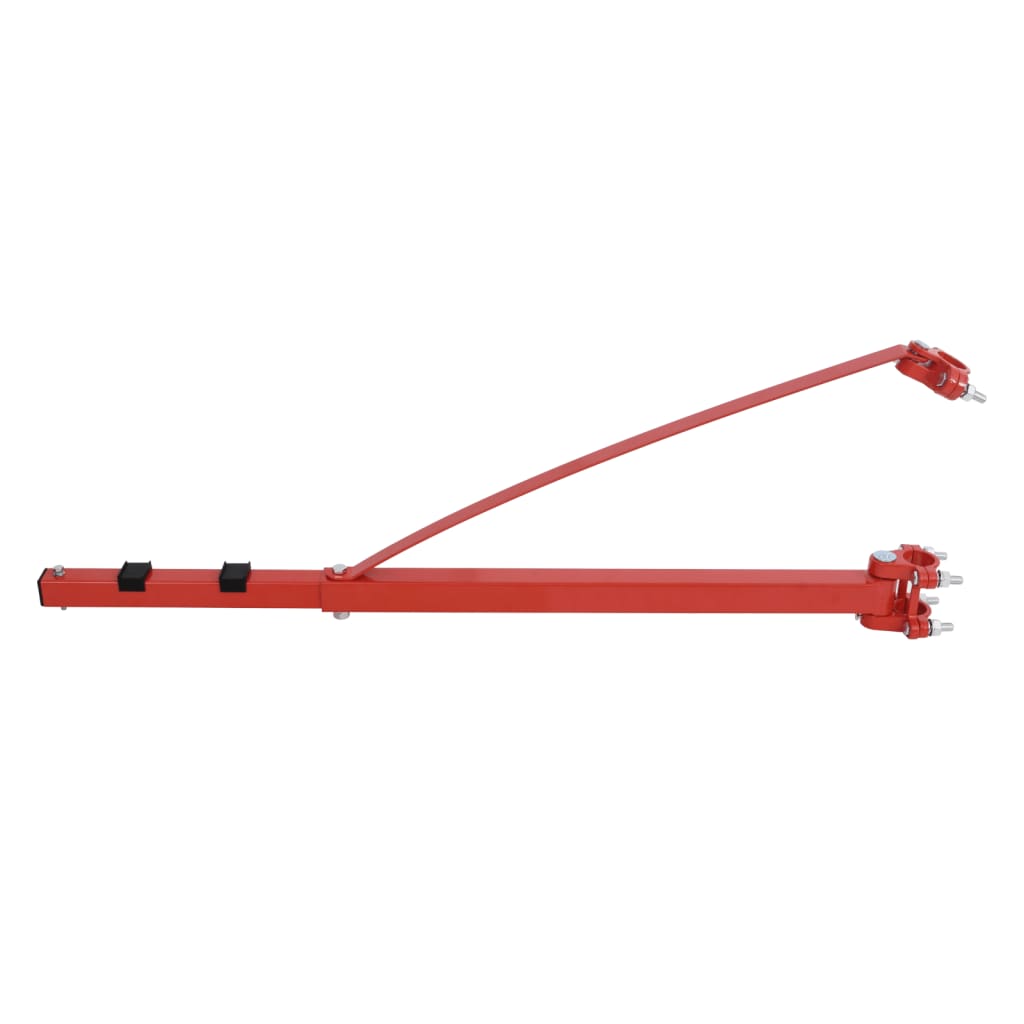
Consider how high you need to lift loads. Is a couple of metres enough for your workshop, or do you need to place goods on high industrial shelving? For hoists, chain or wire rope length matters, while for scissor lifts, it’s the platform’s maximum height. With some equipment, such as garage cranes, boom reach – the horizontal working radius – is also important.
The drive type determines how easy the equipment is to use, its speed and its price. The right choice largely depends on the frequency and nature of the work.
Our online store offers all the main categories of lifting equipment. Each type has its own advantages and applications, making it easy to find the right solution.
A hoist is a classic solution for lifting and lowering loads vertically. Electric chain hoists are popular in workshops and production facilities thanks to their compact design and ease of use. Wire rope hoists are often preferred for greater lifting heights and speeds. A manual chain hoist is an invaluable tool on construction sites and in garages.
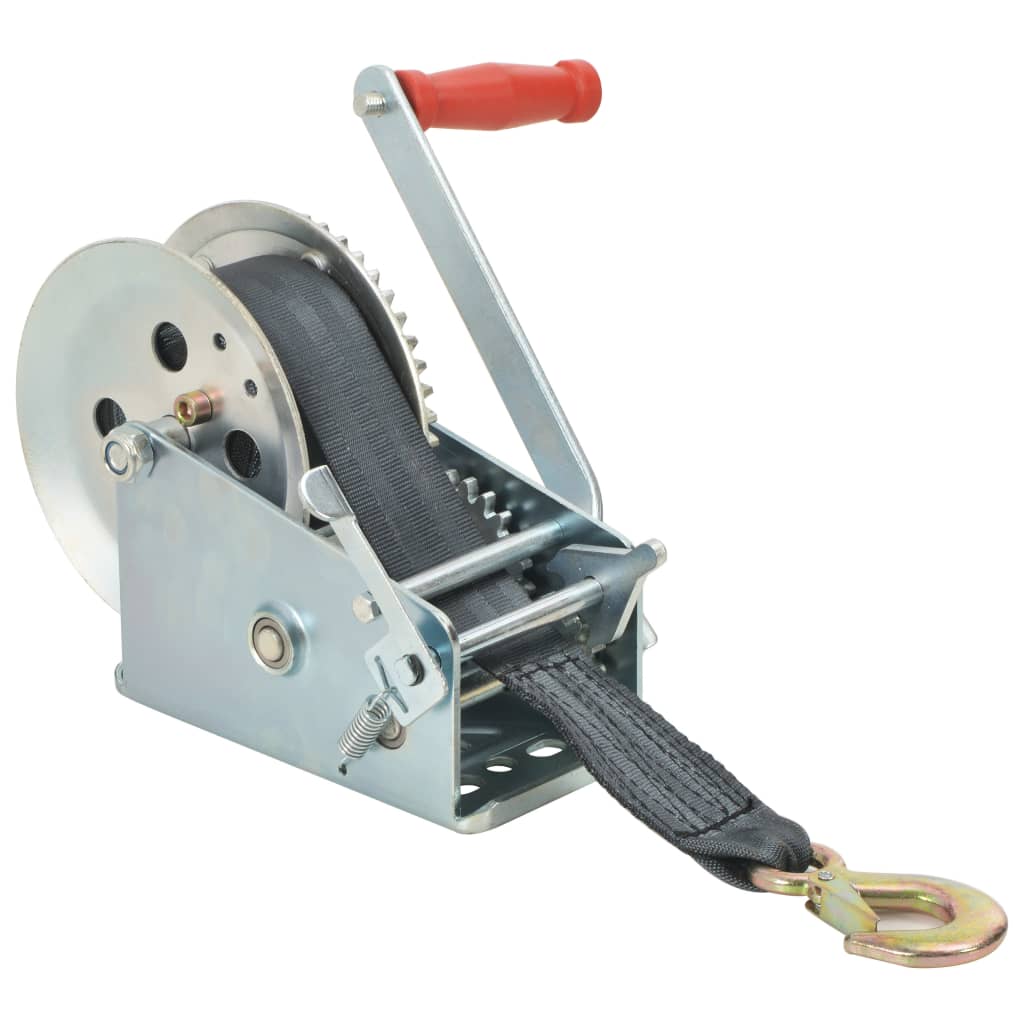
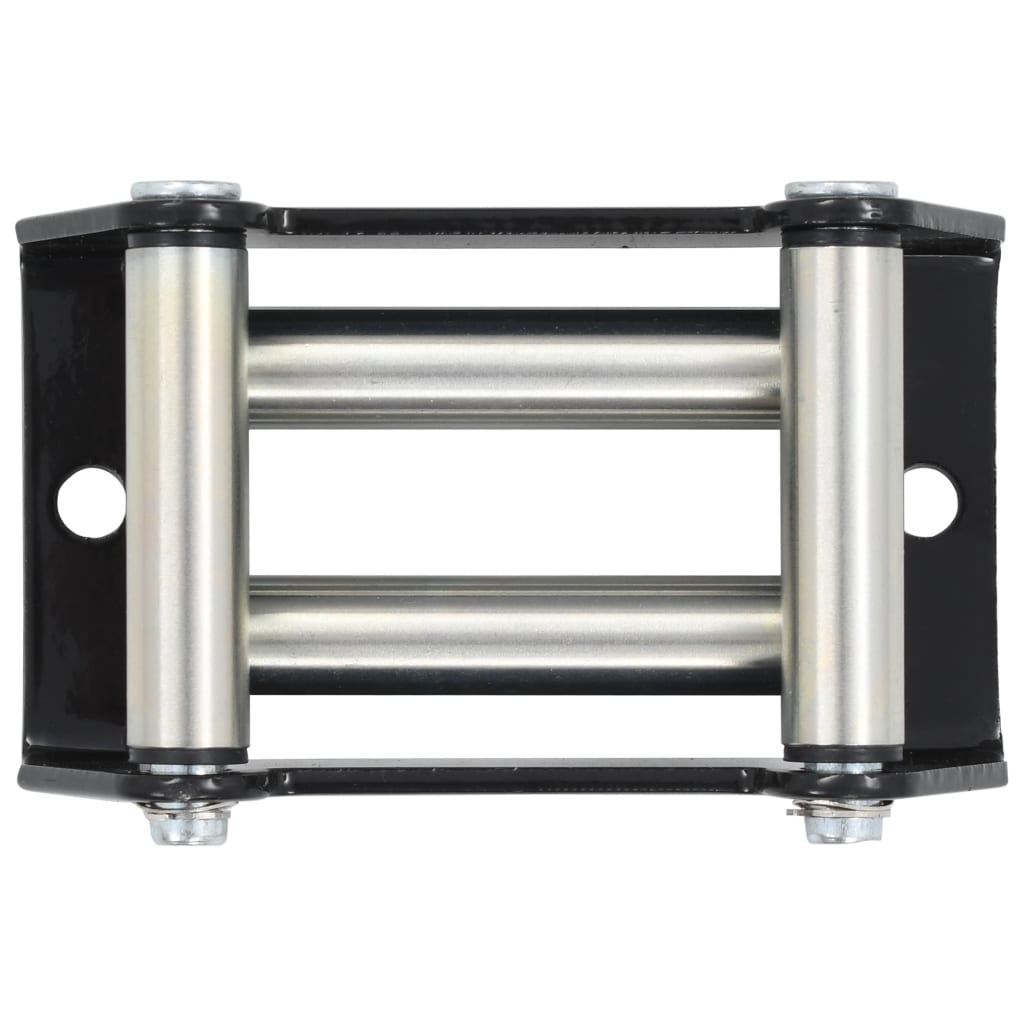
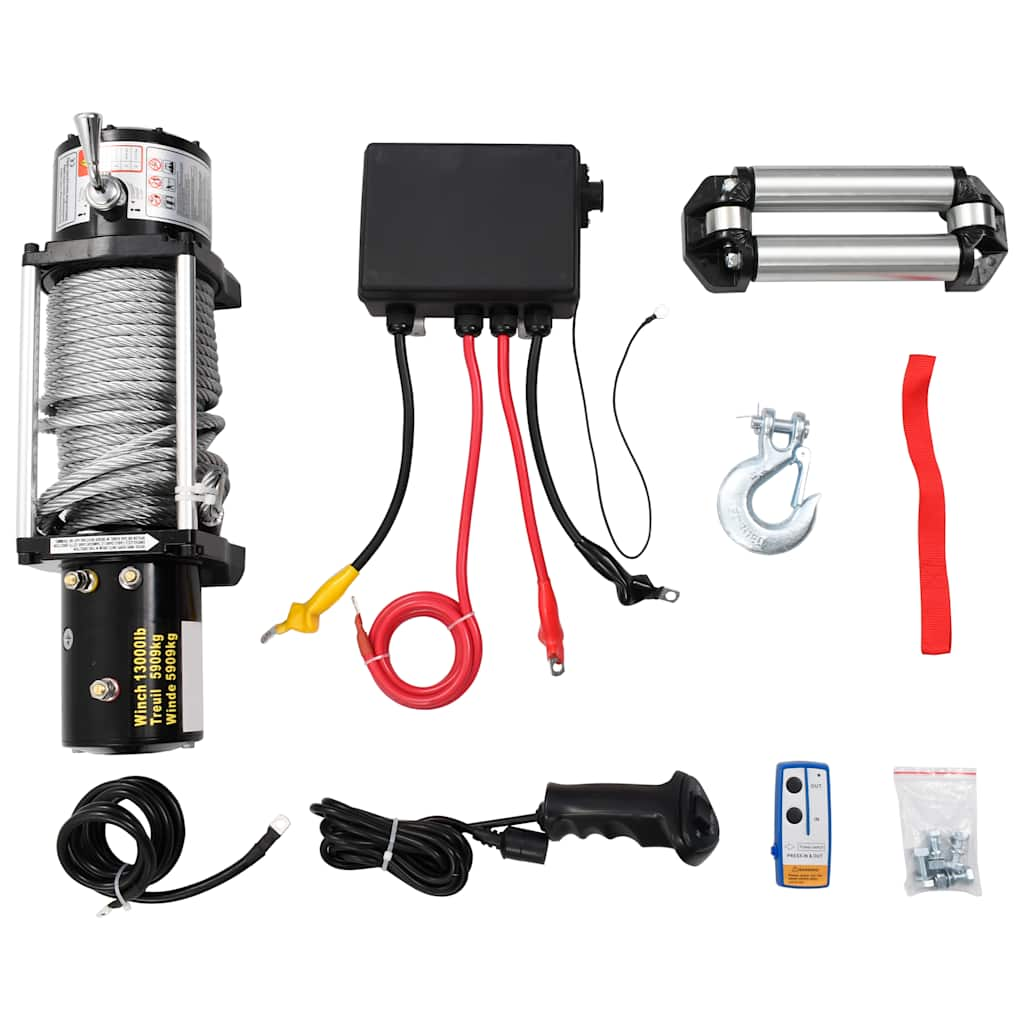
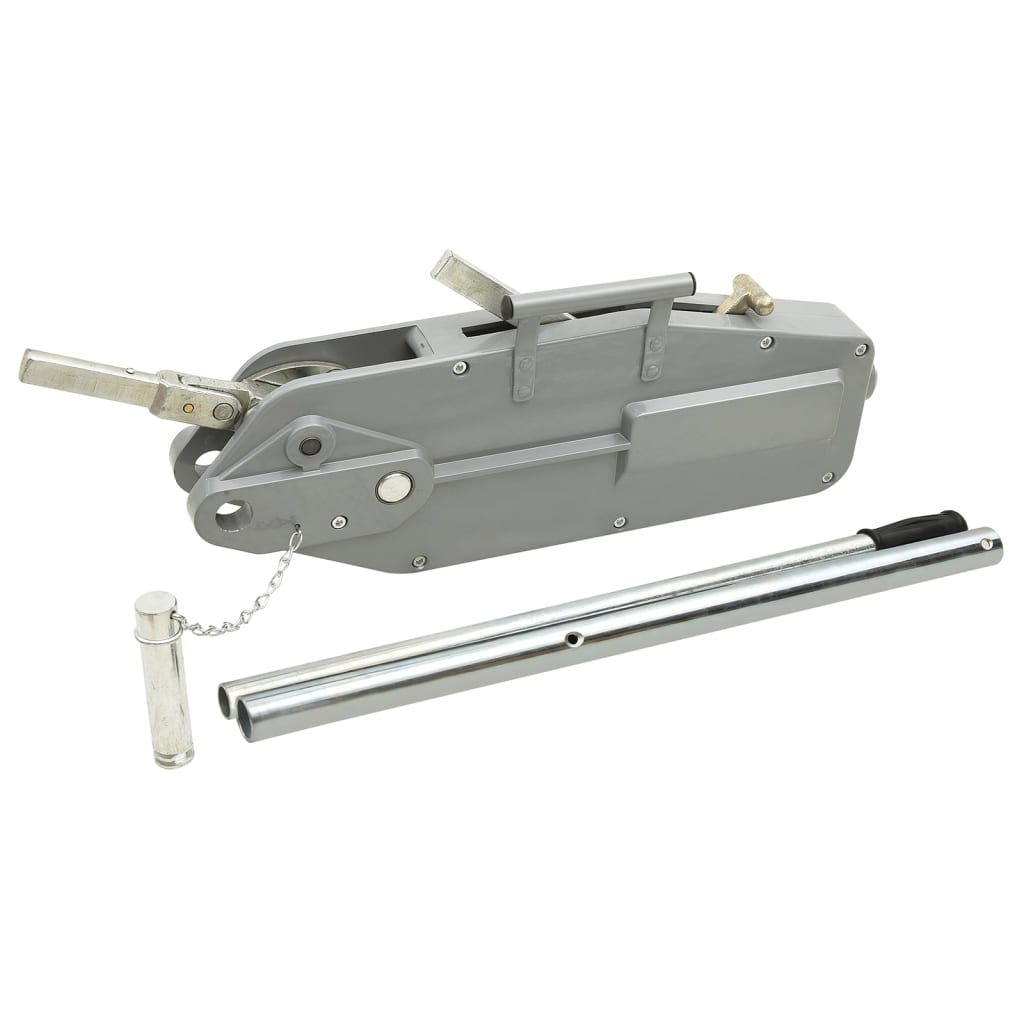
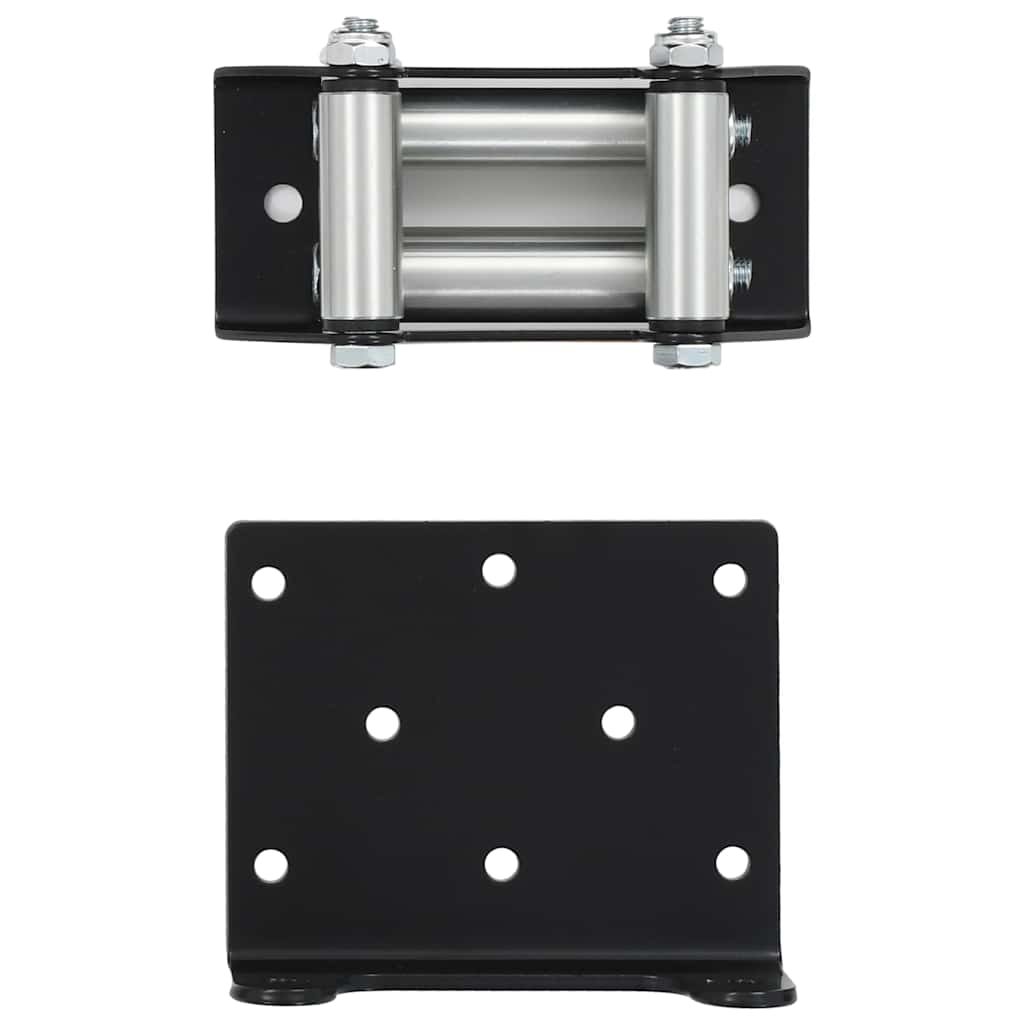
Unlike hoists, winches are designed mainly for hauling or pulling loads horizontally, although they can also be used for lifting. They’re widely used for vehicle recovery, launching boats and pulling heavy equipment into position. Our range includes electric winches for cars and ATVs, as well as manual hand winches for lighter jobs.
A scissor lift provides a large, stable platform for raising people and materials. It’s ideal for assembly, maintenance and order-picking work that requires a safe, height-adjustable workspace. A mobile scissor lift offers added flexibility and can be easily moved between work areas.
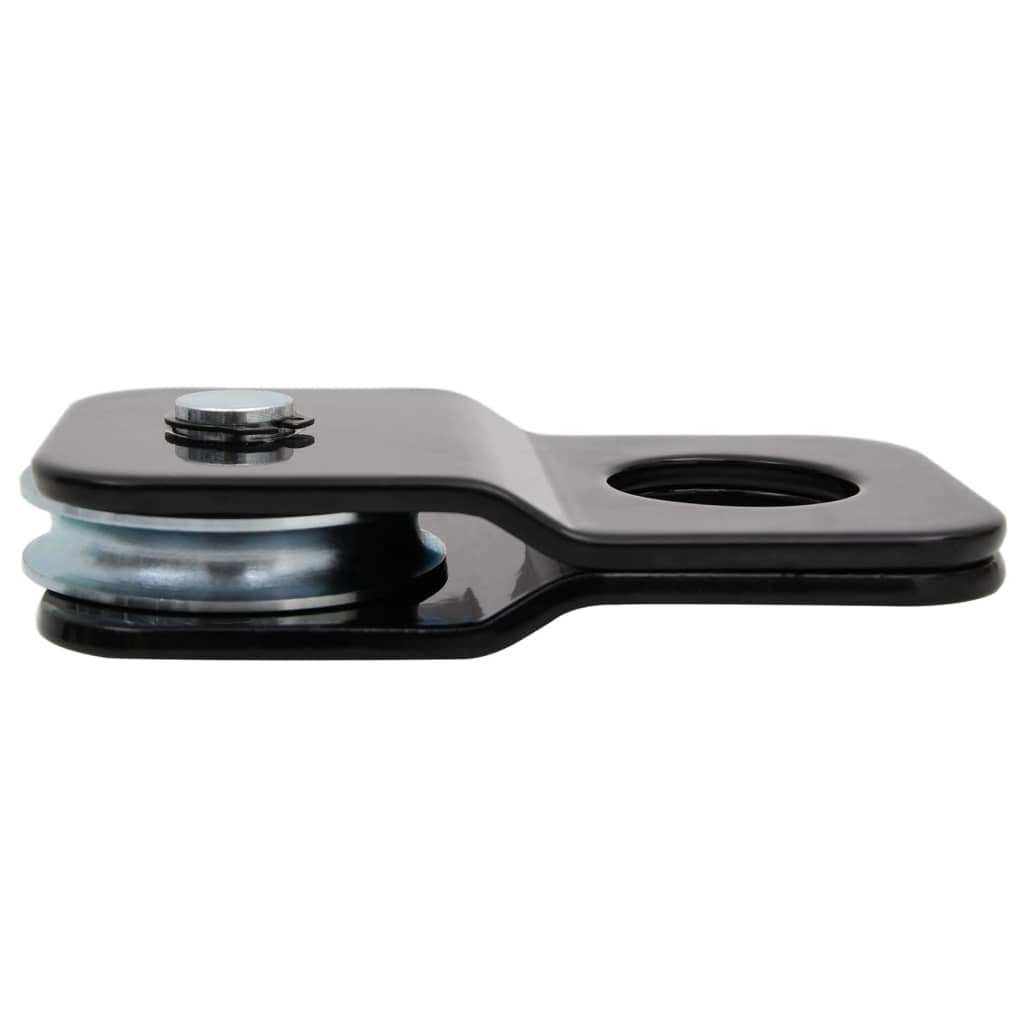
This category covers a wide range of specialised equipment. Hydraulic jacks and lifting equipment are essential in every auto repair shop, allowing vehicles to be lifted safely. This category also includes engine hoists and transmission jacks, which make repair work much easier and safer. You’ll also find a range of accessories, such as pulleys and sheaves, to increase the mechanical advantage of manual systems.
| Question | Answer |
|---|---|
| What is the difference between a hoist and a winch? | The main difference lies in their primary purpose and braking system. A hoist is specifically designed to lift loads vertically and has a load brake that holds the load securely in place. A winch is primarily designed for hauling and pulling, and its brake may not be designed to hold a load for extended periods. |
| Do I need a professional to install an electric hoist? | You can generally install smaller, simpler models yourself by carefully following the manufacturer’s instructions. For larger, fixed systems – particularly those requiring a three-phase power supply – we strongly recommend using a certified electrician and installer to ensure maximum safety and correct operation. |
| How often should lifting equipment be serviced? | Service intervals depend on the type of equipment and how intensively it’s used. A daily visual inspection is always recommended. More thorough maintenance, including lubrication and component checks, should be carried out according to the manufacturer’s recommendations, usually every 6-12 months. |
| Can I order lifting equipment in custom sizes? | Although our standard range is extensive, feel free to contact us with your custom order requirements. We’ll do our best to work with our manufacturers to find the right solution for your needs, whether you require a specific lifting height, capacity or other special feature. |