





For private customers
At checkout, product prices are automatically adjusted according to the VAT rate in your delivery country.

Christmas
Furniture
Home & Garden
Sport
Clothing
Mattresses
Watches
Electronics
Construction
Showing 30 of 34 products with selected filters










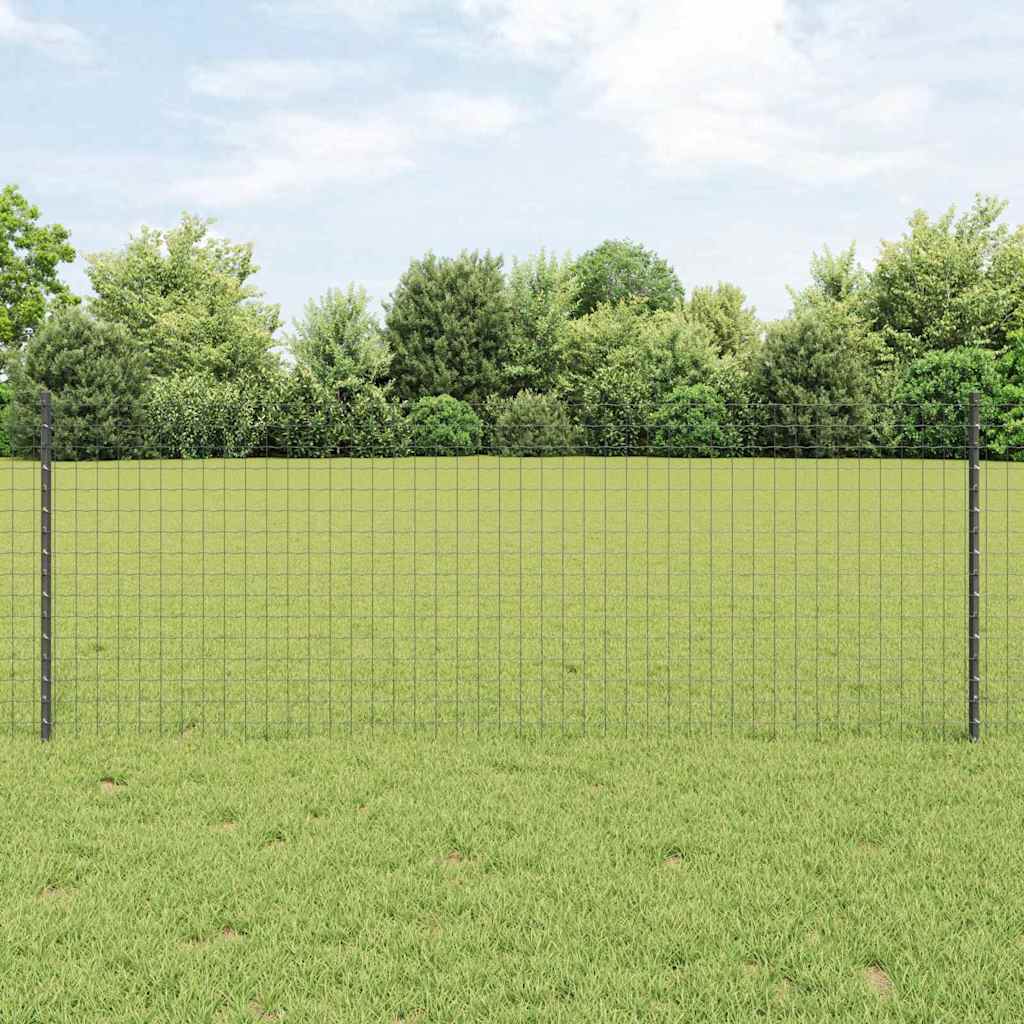

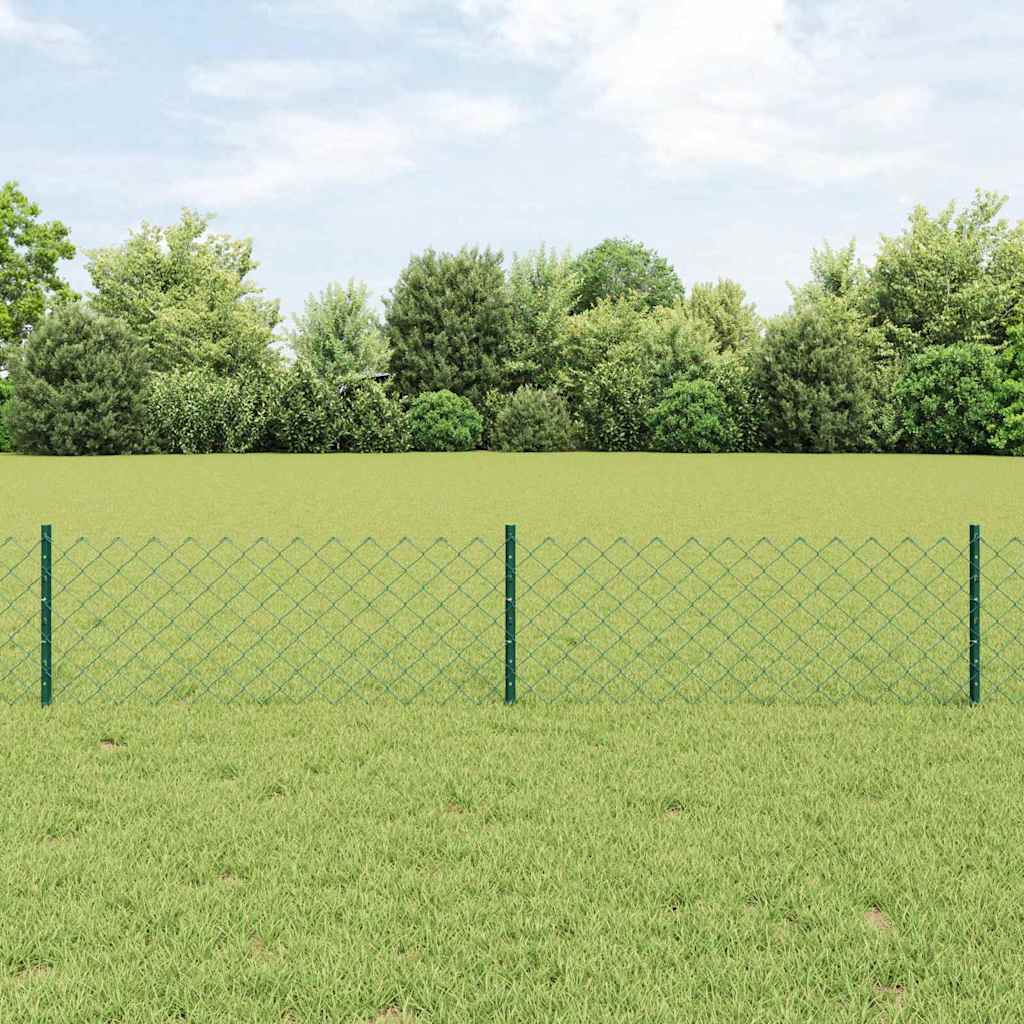


No products match your selected filters.
Every durable fence, sturdy pergola or solid shelter starts with the right foundation. Fence posts and supports are crucial components that ensure your structure lasts and remains safe. Unlike traditional wood, which can rot and weaken over time, modern metal fence posts—especially hot-dip galvanised steel ones—provide years of worry-free use. Our online store offers a wide selection of posts and supports for everything from simple garden projects to complex construction work, always at a great price.
Choosing the right product may seem complicated, but it really comes down to a few key criteria: material, shape and installation method. Think about the nature of your project – are you building a lightweight mesh fence or a heavy timber structure? This will determine which fence post is right for you. Here’s an overview to help you make an informed decision.
Although our range mainly includes metal products, it’s worth understanding their advantages over traditional wood. A traditional wooden fence post, even when pressure-treated, is susceptible to moisture and pests. Over time, the part in contact with the ground will inevitably begin to rot. By contrast, a metal fence post, especially hot-dip galvanised fence posts, offers excellent corrosion resistance. The zinc coating protects the steel from rust, ensuring decades of durability. If you’re looking for the very best, stainless steel posts are practically everlasting, although they cost more. So, if you’re planning a long-term investment, metal is always a more reliable choice than a treated fence post.
A post’s profile and wall thickness determine its load-bearing capacity. The most common types are square fence posts and round fence posts. Square tubing, such as the popular 60x60 mm fence post, offers excellent rigidity and is ideal for panel fences and heavier structures. Other common sizes include 40x60 mm fence posts for lighter fences and robust 80x80 mm fence posts for gates or the supporting posts of large shelters. Round posts are often used for installing mesh fences and temporary barriers. The heavier the structure and the greater the wind load, the thicker and wider the post you should choose.
Securing a post in the ground is just as important as the post itself. There are three main approaches:
Our range includes post anchors in a variety of sizes and shapes to suit different installation methods and post dimensions. Remember that you’ll also need suitable fasteners, such as bolts and nuts, for a secure installation.

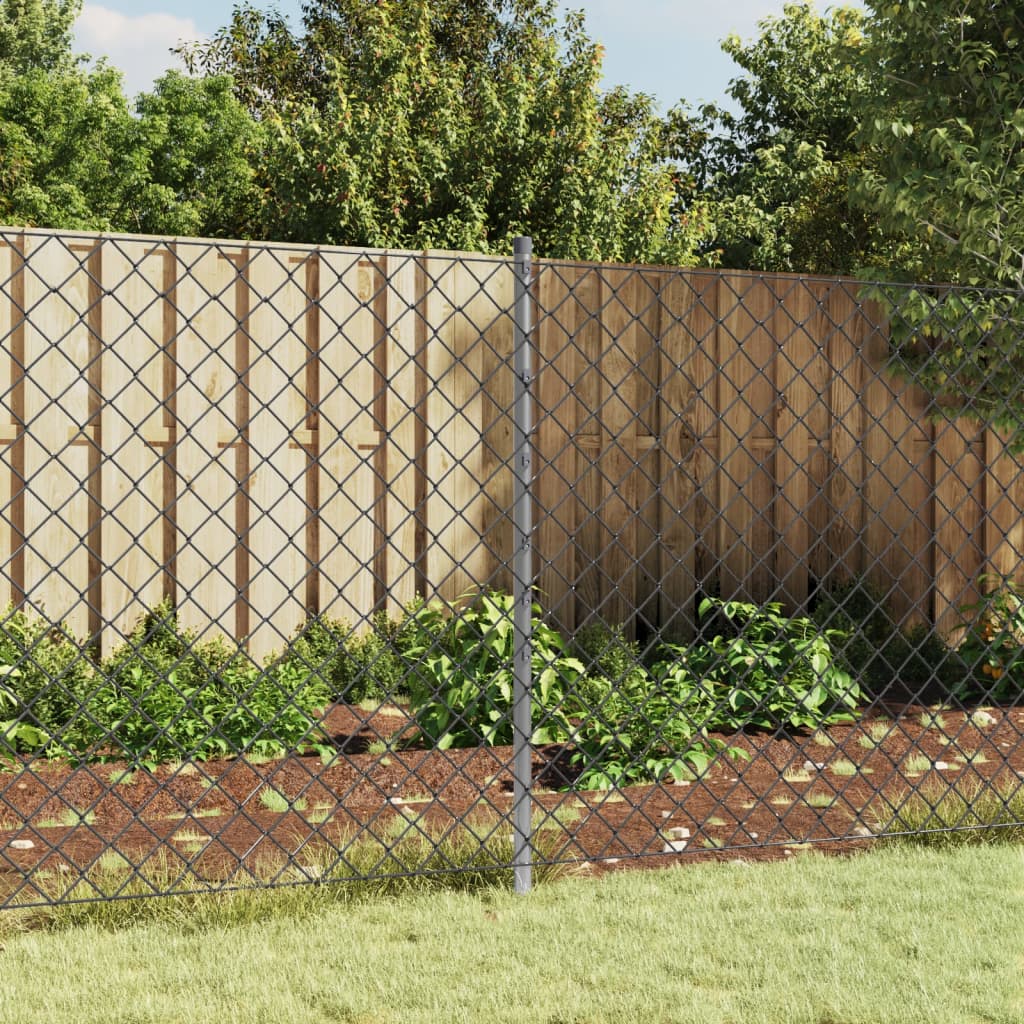
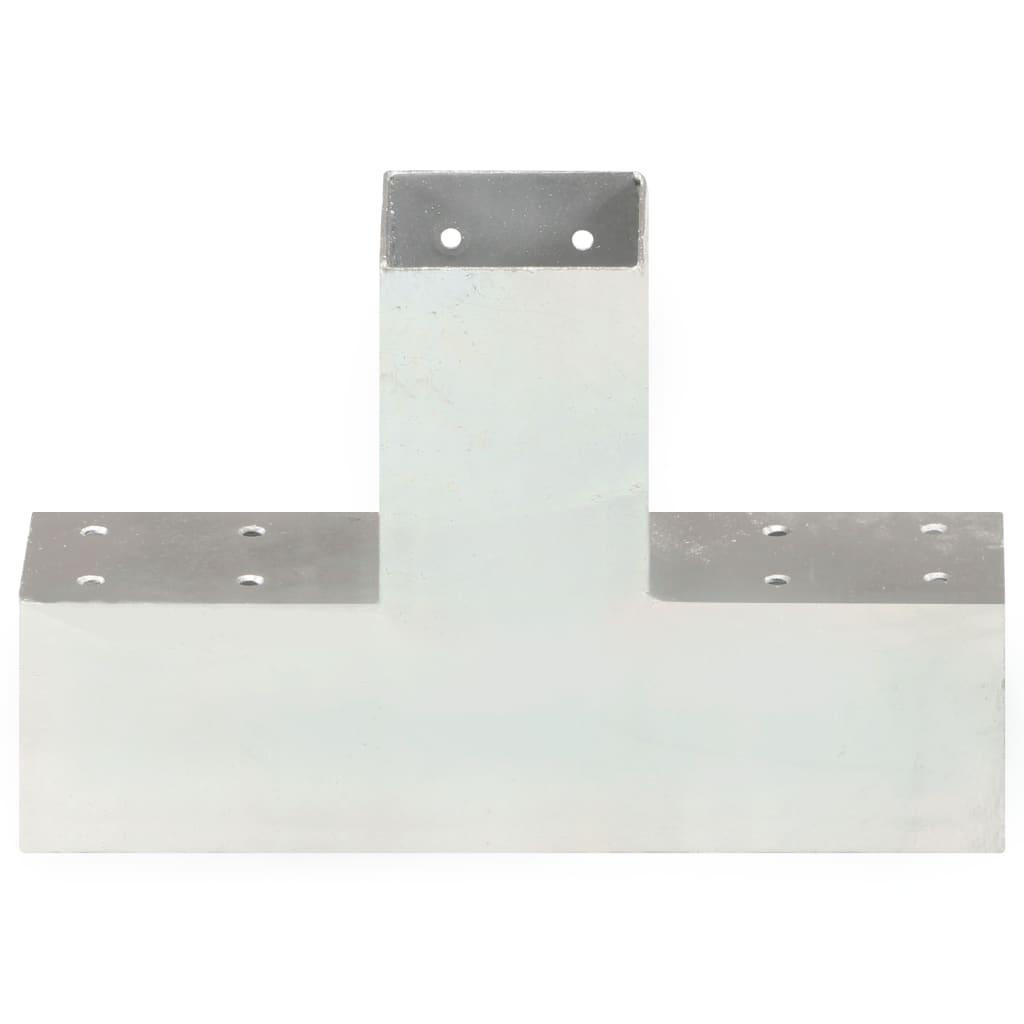
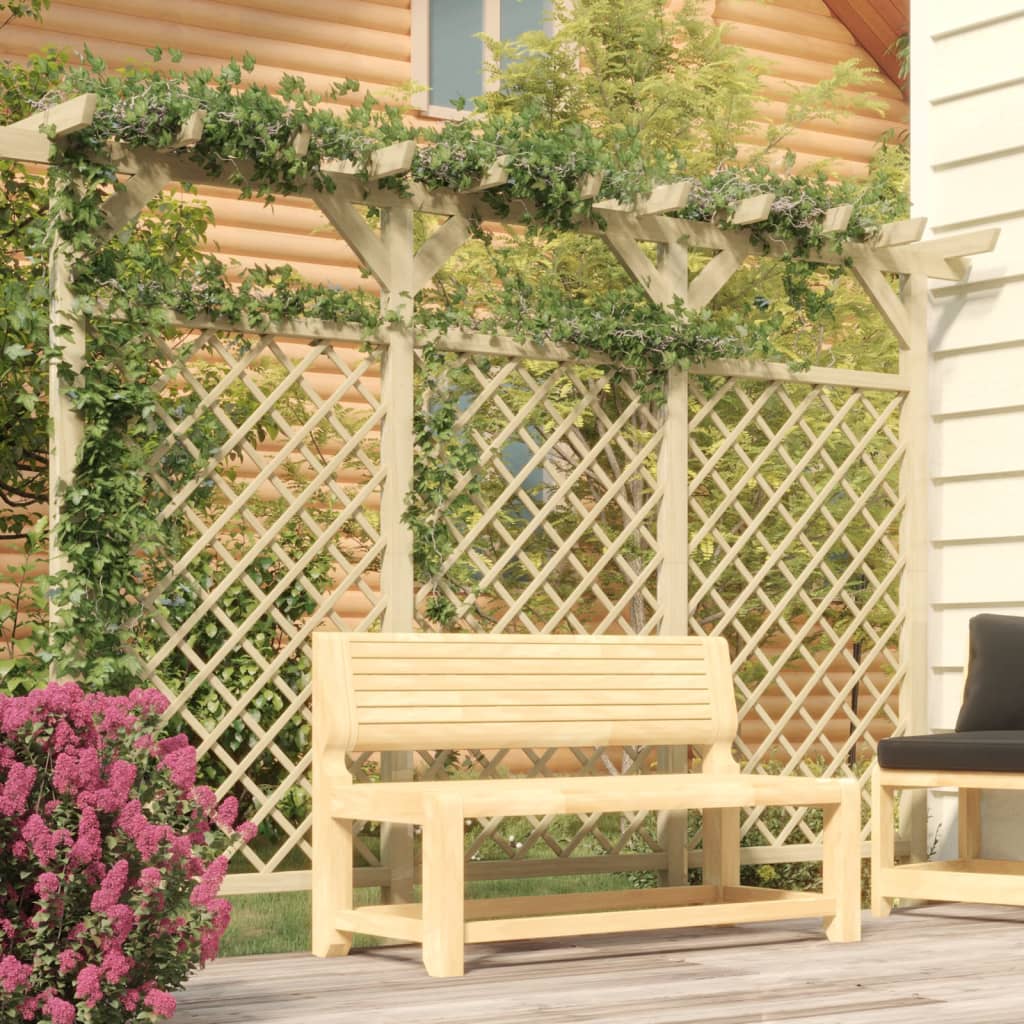
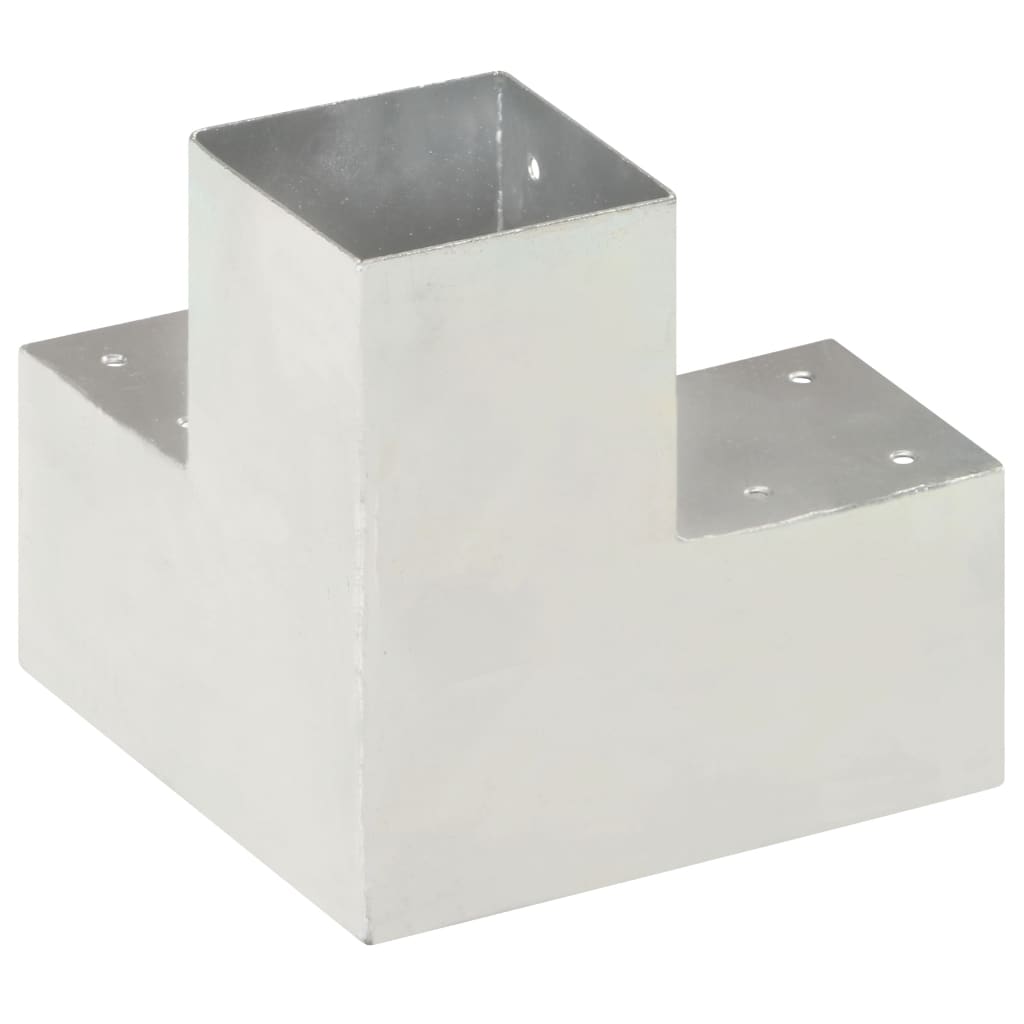
If your project involves more than a simple fence—for example, if you’re building a pergola, a covered terrace or a playhouse—post connectors are indispensable. These galvanised metal components let you join timber or metal posts at different angles to create strong, precise joints.
Our range includes:
All connectors are available for different post dimensions, including 71x71 mm, 81x81 mm and 91x91 mm, ensuring a perfect fit with your chosen posts. They make it easy to build even complex fences and barriers with a professional finish.
Good materials alone aren’t enough to achieve a quality result—you also need to install them correctly. One of the most common mistakes is not setting the post deep enough. As a rule of thumb, at least 1/3 of the post’s total length should be below ground. This helps keep it stable in strong winds and shifting soil. It’s also important to make sure the posts are perfectly level. Be sure to use quality tools, such as a spirit level. When setting posts in concrete, make sure the mix is dense enough to fill the hole evenly and prevent gaps. Following these simple rules will help you avoid unstable gates and leaning fences in the future.
Our goal is to offer you the best selection and the most convenient shopping experience. We understand that transporting building materials can be a hassle, especially heavy, long fence posts. That’s why we’ve made it especially easy for you.
| Question | Answer |
|---|---|
| How deep should a fence post be installed? | A good rule of thumb is to bury 1/3 of the post’s length. For example, for a 1.8-metre-high fence, the post should be at least 2.4 metres long, with 60 cm in the ground. |
| Is galvanised steel really rust-resistant? | Yes. Hot-dip galvanising creates a thick protective coating on the steel that prevents rust for years, even in damp conditions. It’s much more durable than simply painted metal. |
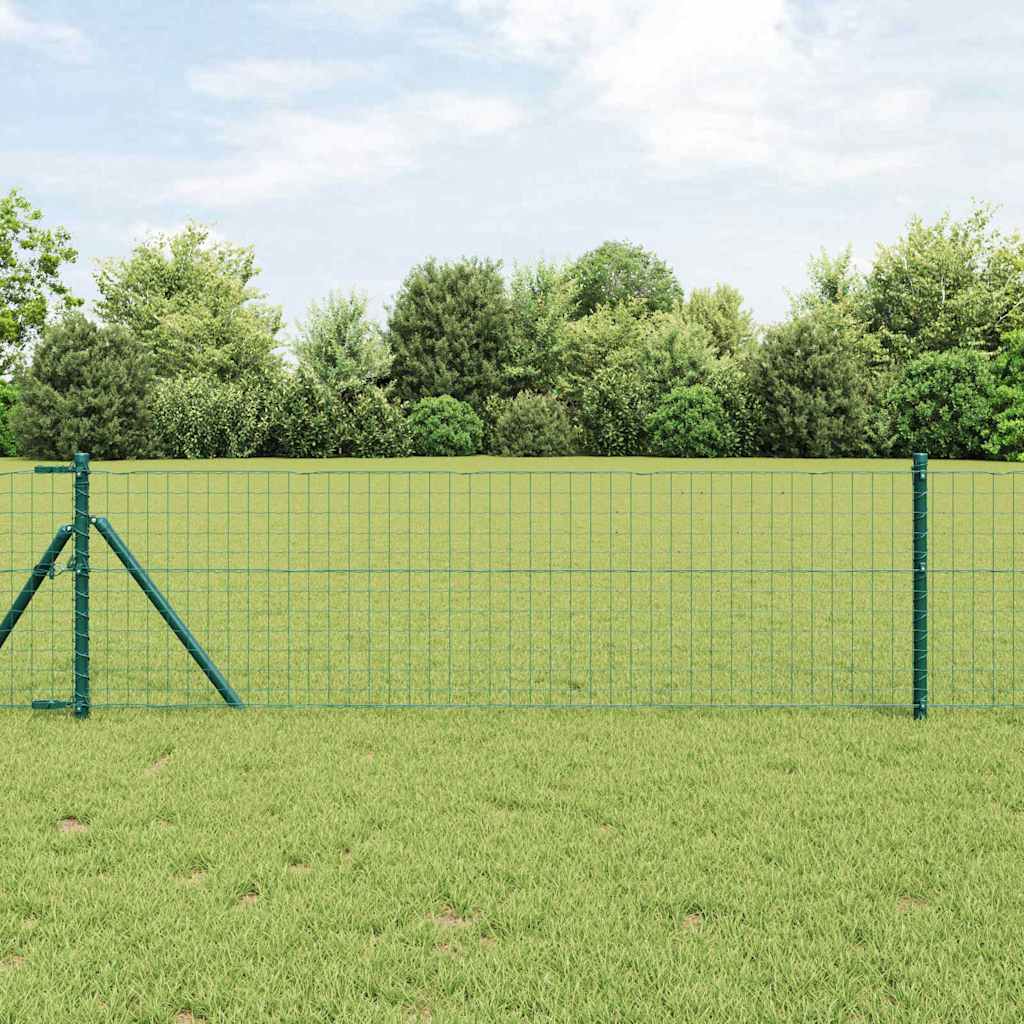
| Which posts should I choose for a mesh fence? | Lightweight round posts or square posts with a smaller cross-section (e.g. 40x40 mm) are a good choice for a mesh fence. Make sure corner posts and intermediate posts along longer straight sections are adequately braced. |
| How do I order post connectors in the right size? | Measure the width and length of your timber or metal post’s cross-section in millimetres. Then choose a connector in exactly the same size from our range, for example, ‘post connector 91x91 mm’. This ensures a snug, secure fit. |