






For private customers
At checkout, product prices are automatically adjusted according to the VAT rate in your delivery country.

Christmas
Furniture
Home & Garden
Sport
Clothing
Mattresses
Watches
Electronics
Construction
Showing 2 of 2 products with selected filters
2 / 2
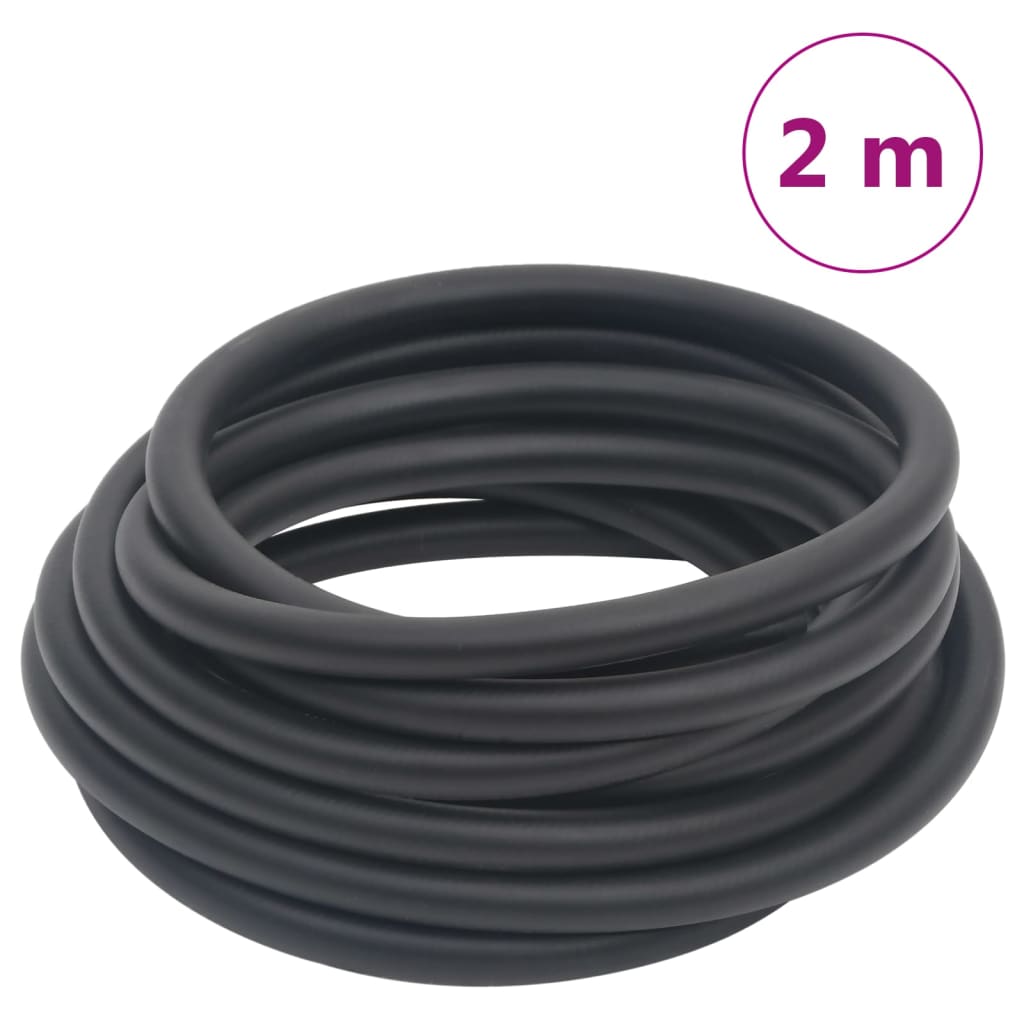
No products match your selected filters.
The right air hose is a critical component of your compressed air system, directly affecting the performance, efficiency, and lifespan of your pneumatic tools. It’s more than just a tube that carries air—it connects your compressor’s power to your tool’s precision. Choosing the wrong hose can lead to pressure loss, tool damage, and even dangerous situations in the workshop. That’s why it’s important to understand which compressed air hose is right for your needs.
Finding the right product may seem complicated, but understanding a few key specifications makes it easy. Whether you need a simple solution for your garage or durable professional equipment for everyday use, you’ll find all the information you need here to make an informed choice. Let’s look at how material, dimensions, and working pressure affect your decision.
The material determines a hose’s flexibility, durability, and suitability for different conditions. The three most common types are:
Hose dimensions directly affect tool performance. A hose that’s too long or too narrow causes pressure loss, which means your tool won’t get enough air.
Length: Choose a hose long enough to move around your work area comfortably, but avoid buying one that’s unnecessarily long. Common lengths are 5, 10, 15, and 20 metres. Longer hoses, such as 30m or 50m air hoses, are useful for larger areas. You can order a pneumatic hose in the length you need from our online store. Our popular 10m air hose, for example, is always in stock.
Internal diameter: The more powerful the tool, the larger the diameter it needs. Common sizes include 1/4 inch (approx. 6 mm) for smaller tools and 3/8 inch (approx. 10 mm) for equipment with higher air requirements, such as impact wrenches and sanders. Always check your tool’s specifications.
Make sure the hose’s maximum working pressure is higher than your compressor’s maximum output pressure. Most hoses are designed for standard pressures of 8-10 bar, but models rated for higher pressures are also available for specialised jobs. Also, make sure the quick couplings at the ends of the hose are compatible with your compressor and tools. The European standard is the most common.
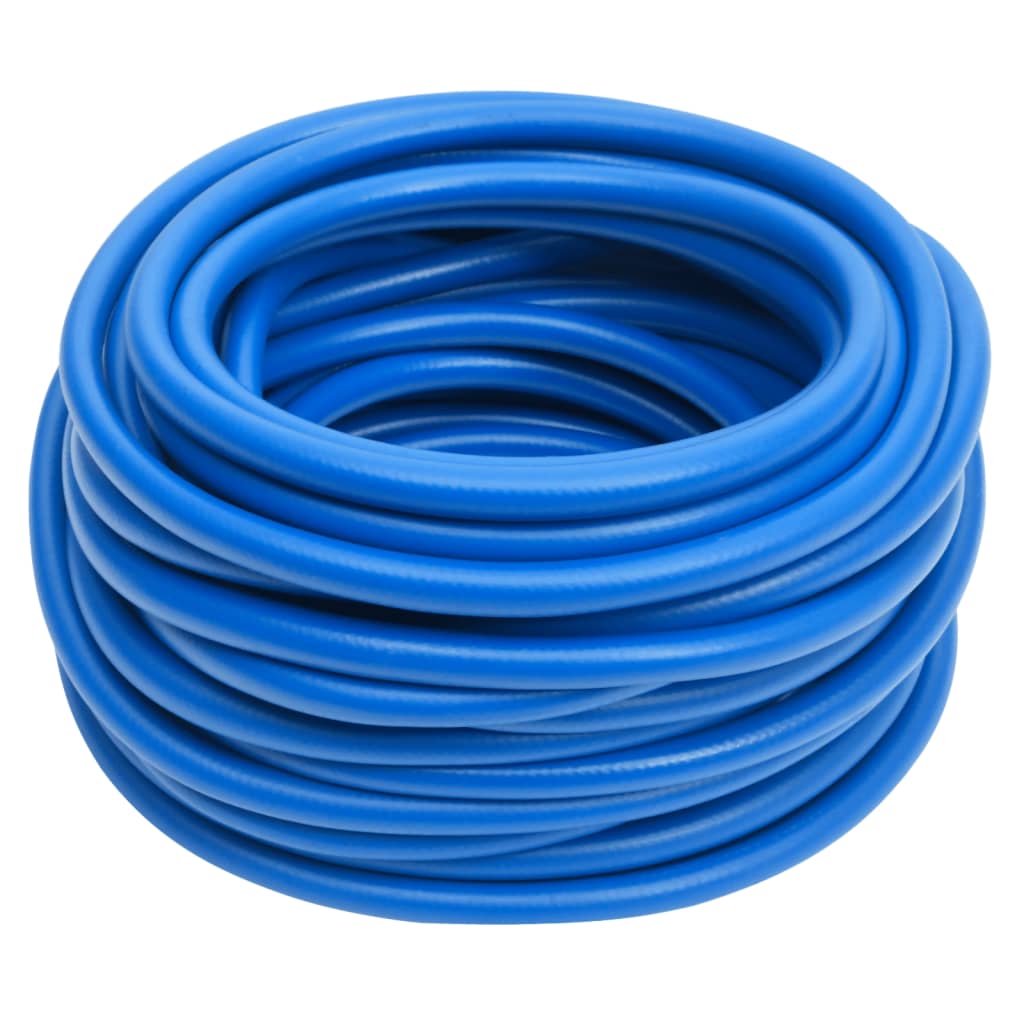


Our range covers every need, from simple solutions to fully automatic systems. Here’s an overview of the main types to help you find the right one.
This is the most common and affordable type of air hose. It’s ideal if you use compressed air occasionally to inflate tyres, remove dust, or operate smaller tools such as staple guns. Its excellent value for money makes it a popular choice for home garages.
If you work with compressed air every day, a hybrid hose is a worthwhile investment. The material stays flexible in cool conditions, resists kinking and cracking, and stands up to intensive use. It’s the best choice for auto repair shops and construction sites, where a durable air hose is essential.
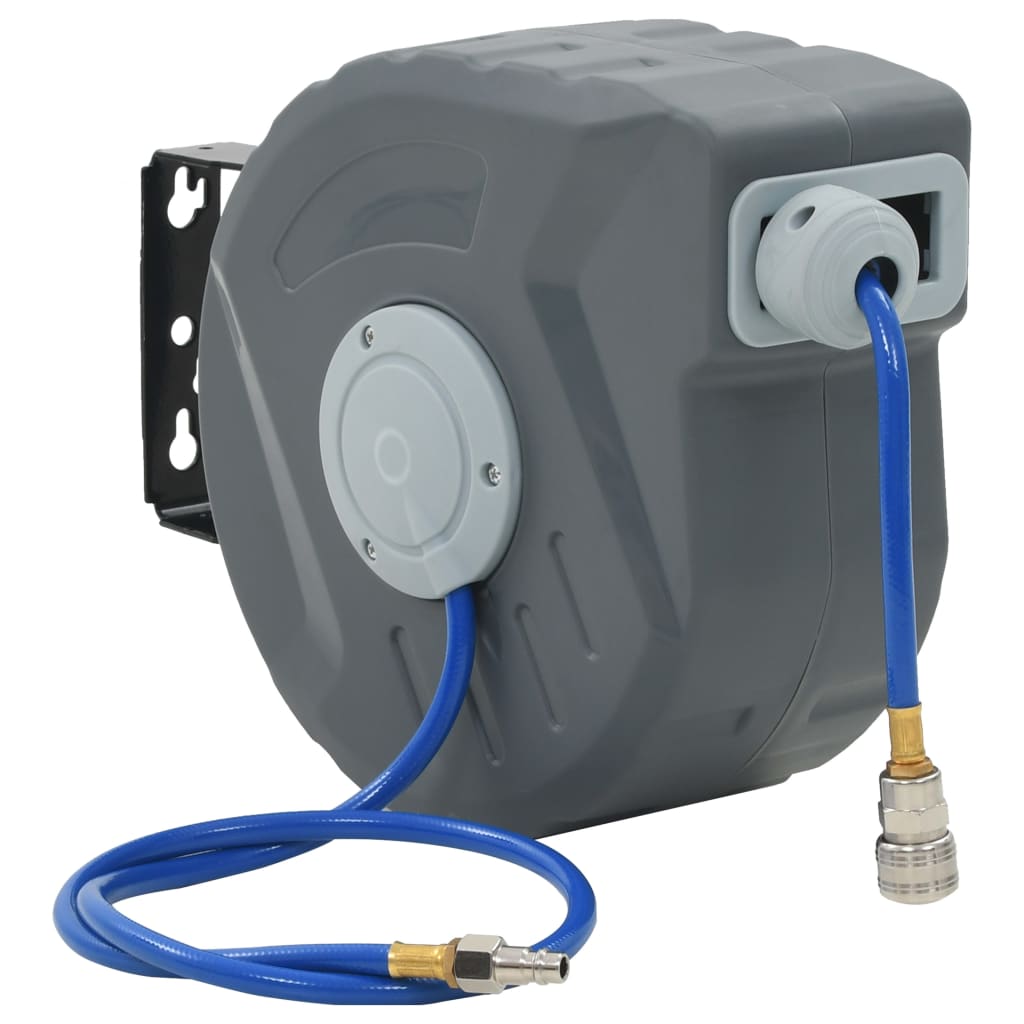
An air hose on an automatic reel is the ideal solution for keeping your workshop tidy and safe. The reel can be mounted on a wall or ceiling, keeping the hose off the floor to prevent tripping and damage. When you’re finished, a gentle tug activates the spring mechanism and automatically retracts the hose. It’s a convenient, professional solution that saves time and hassle. This system is part of effective tool organisation.
A quality compressed air hose is essential in many fields. In auto repair shops, it’s indispensable for impact wrenches, sanders, and spray guns. On construction sites, it supplies powerful nail guns and other pneumatic tools, such as nailers and staplers. It’s also a must-have in the home garage, whether you’re checking tyre pressure, cleaning parts, or even using a paint sprayer. Every job calls for specific tool accessories, and an air hose is one of the most important.
The price of an air hose depends mainly on its material and length, and on whether it comes with an automatic reel. An affordable PVC hose is a good starting point, but if you plan to use it often, consider a more expensive yet more durable hybrid or rubber hose. An automatic reel costs more, but the added convenience and safety quickly justify the investment, especially in a professional setting.
It’s easy to order an air hose from our online store, where you can compare different models and prices at your own pace. Whether you’re looking for an affordable option or professional equipment, you’re just a few clicks away from the right product. Clear product information and transparent pricing help you make the best choice. We also regularly run special offers, making quality equipment even more affordable.
Here are answers to some common questions to help you make your final choice.
| Question | Answer |
|---|---|
| What working pressure should I choose for my hose? | Always choose a hose with a maximum working pressure at least 20% higher than your compressor’s maximum pressure. For most standard jobs, a hose rated for 10-15 bar is sufficient. |
| Can I use an air hose for water? | No, this isn’t recommended. Air hoses are designed for compressed air and may not withstand continuous contact with water. Always use hoses intended for the purpose to ensure safety and prevent damage to the material. |
| How should I store an air hose? | Avoid storing the hose in direct sunlight, and don’t leave it outside in winter. After use, coil it loosely, avoiding sharp bends. A dedicated hose holder or automatic reel is the best solution. |
| What’s the difference between a 1/4-inch and a 3/8-inch hose? | The difference is the internal diameter and therefore the airflow capacity. A 1/4-inch hose is suitable for tools with lower air requirements (e.g. staple guns). A 3/8-inch hose is needed for tools that require more air (e.g. impact wrenches and sanders) to prevent loss of performance. |