




For private customers
At checkout, product prices are automatically adjusted according to the VAT rate in your delivery country.

Christmas
Furniture
Home & Garden
Sport
Clothing
Mattresses
Watches
Electronics
Construction
Showing 2 of 2 products with selected filters
2 / 2


No products match your selected filters.
Unexpected basement flooding, a full septic tank or draining an excavation site all call for a quick solution. The right wastewater pump is an indispensable helper. Our online store offers a wide selection of durable pumps that efficiently remove water, even in the most demanding conditions.
To find the right pump, you need to understand a few key parameters. In addition to the price, it’s important to choose a wastewater pump that meets your needs. Consider the type and volume of water you need to pump.
Submersible wastewater pumps are among the most common types. Designed to operate underwater, they fall into two categories: drainage pumps and sewage pumps. Drainage pumps are designed for slightly contaminated greywater, such as rainwater. Sewage pumps, also known as blackwater pumps, can handle wastewater containing solid particles and fibres. To prevent blockages, many sewage pumps are equipped with a grinder or cutting mechanism that breaks down larger particles.
Two key specifications to consider when choosing a pump are flow rate (capacity, l/h) and maximum head (m). Flow rate indicates how much water the pump moves per unit of time — a higher capacity is needed to quickly drain a large pool or basement. Head indicates the maximum vertical pumping height. Keep in mind that hose length reduces the actual head (rule of thumb: 10m horizontally ≈ 1m vertically). Always choose a wastewater pump with sufficient reserve capacity, especially when pumping from a basement into a sewer.
Your choice of pump depends on how contaminated the water is. Clean water contains no particles. Greywater may contain small particles (up to 5 mm), such as sand. Blackwater (sewage) contains larger solid particles and fibrous materials. Always check the maximum permitted particle size (mm) specified for the pump to avoid blockages and breakdowns. For sewer work, a dedicated sewage pump is the best choice. Find more equipment for plumbing work.


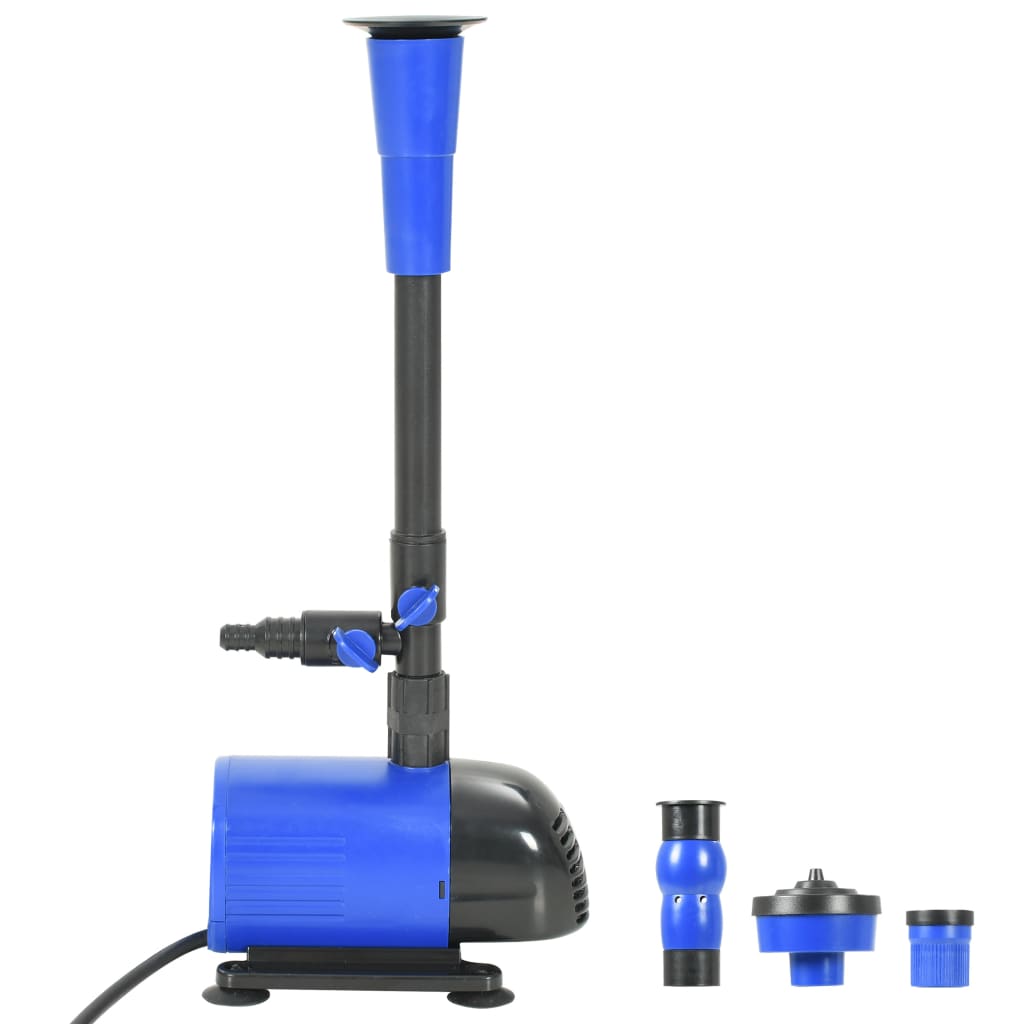
Drainage and wastewater pumps are versatile. In addition to handling wastewater, they’re indispensable for draining basements after spring floods and removing rainwater from construction sites. For specific tasks such as water circulation and filtration, take a look at our dedicated pool and pond pumps.
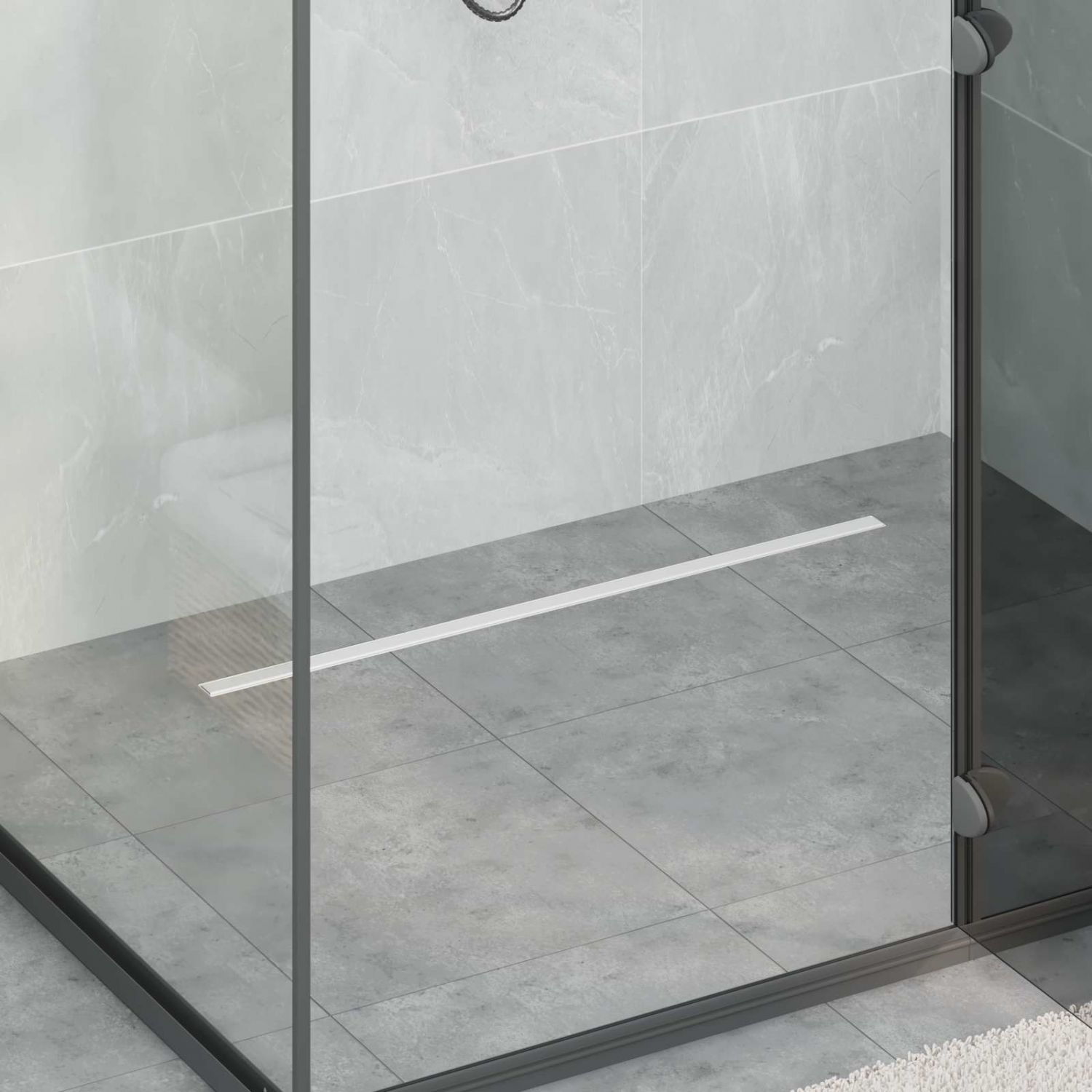
Ordering online makes it easy to compare models and technical specifications. Our store has everything from affordable wastewater pumps for home use to more powerful professional models. Each product page clearly lists the price and specifications. For specialised plumbing projects, such as floor drainage, also consider dedicated shower drains for smaller volumes of water.
Correct installation and regular maintenance help ensure a long service life for your wastewater pump. Place the pump on a stable base to prevent vibration. We recommend installing a check valve to prevent water from flowing back after the pump stops — this is particularly important for septic tanks and sewer systems. Most domestic models are electric, though petrol-powered wastewater pumps may also be available.
| Question | Answer |
|---|---|
| What’s the difference between a drainage pump and a wastewater pump? | The main difference is their ability to pump solid particles. A drainage pump is designed for slightly contaminated water (greywater), while a wastewater pump (sewage pump) can also pump water containing larger solid particles (blackwater). |
| Do I need a wastewater pump with a grinder? | A model with a grinder is recommended if the water contains fibrous materials, toilet paper or other items that could cause a blockage. It’s a standard solution for sewer systems. |
| How powerful should my pump be? | The required power depends on the volume of water and the pumping height. A lower-powered pump is enough to drain a small basement, while larger volumes and greater heights call for a model with a higher flow rate and head. |
| How can I prevent the pump from clogging? | Always choose a pump suited to the type of water you’re pumping. Don’t try to pump particles larger than the device’s specifications allow. Clean the pump’s inlet regularly and make sure no foreign objects enter the area being pumped. |