


For private customers
At checkout, product prices are automatically adjusted according to the VAT rate in your delivery country.

Christmas
Furniture
Home & Garden
Sport
Clothing
Mattresses
Watches
Electronics
Construction
Showing 5 of 5 products with selected filters
5 / 5
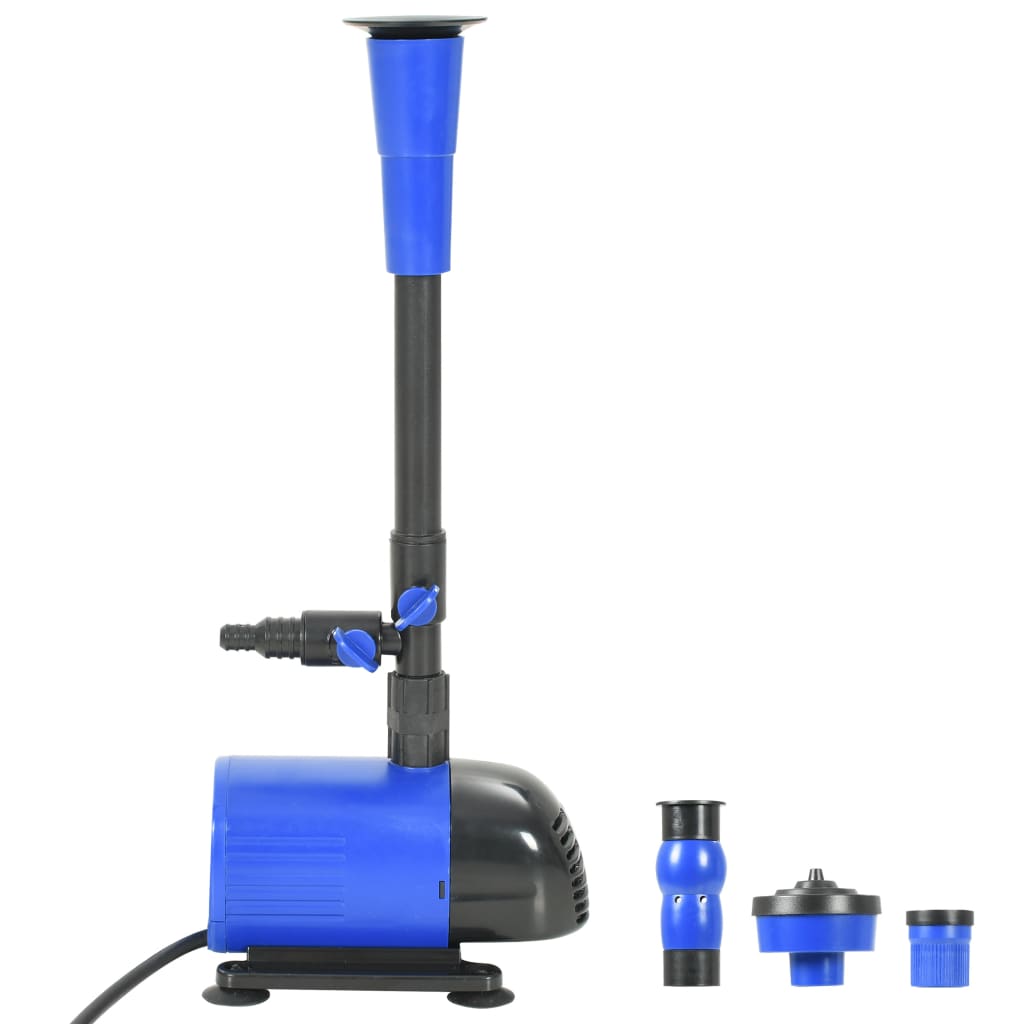


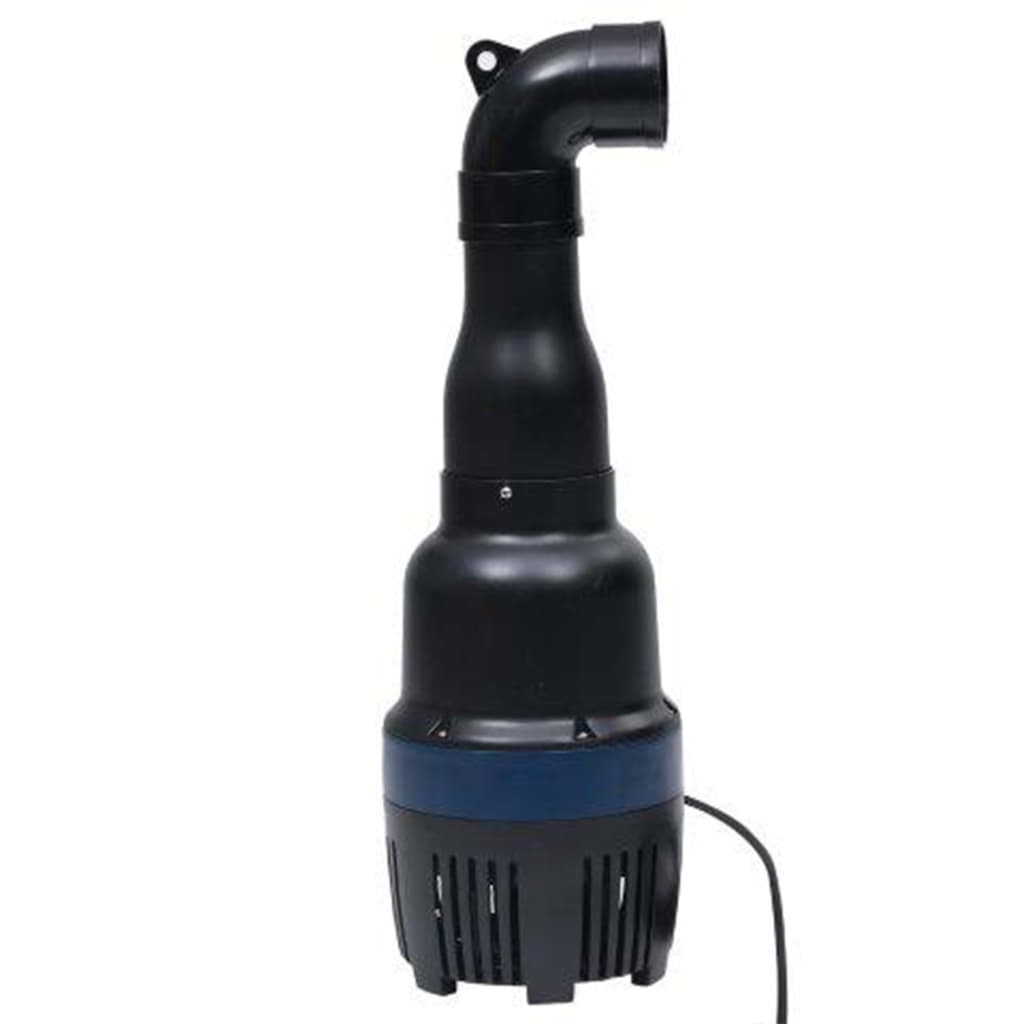
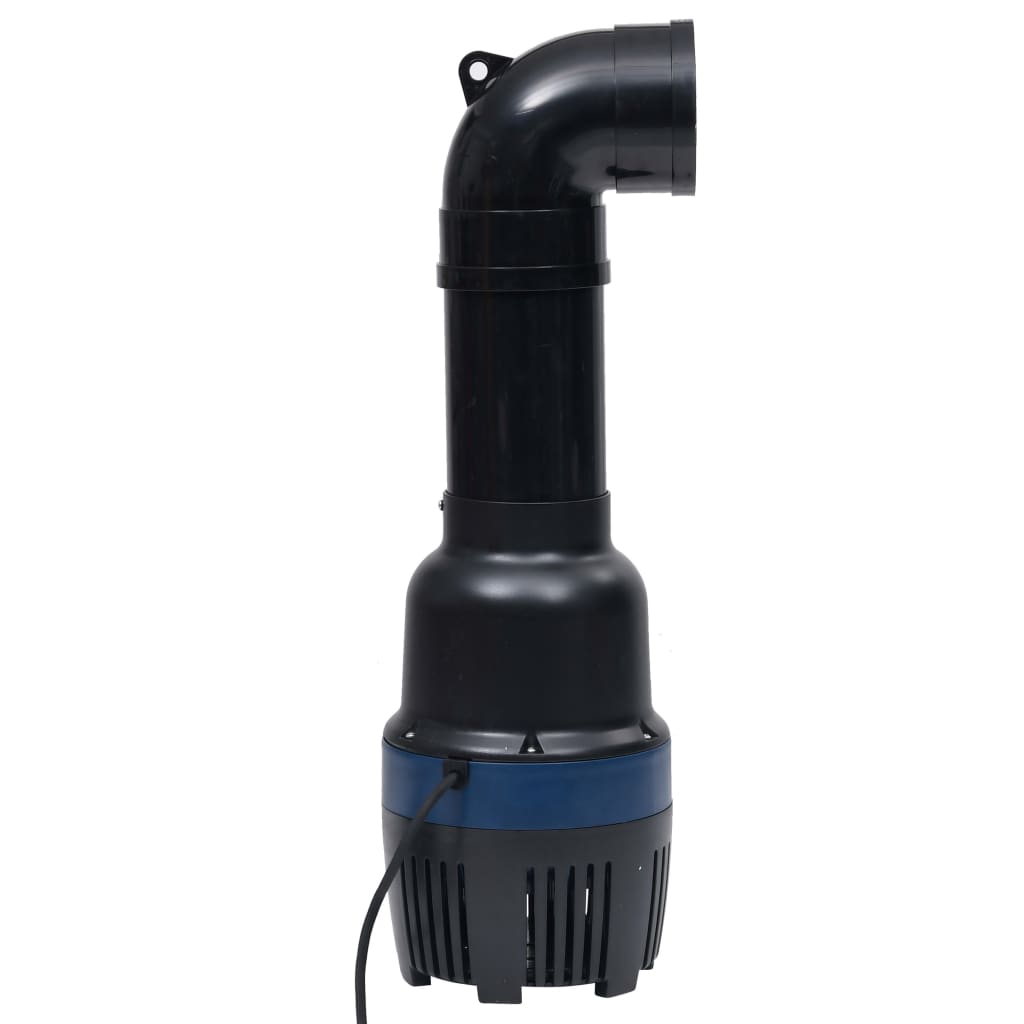
No products match your selected filters.
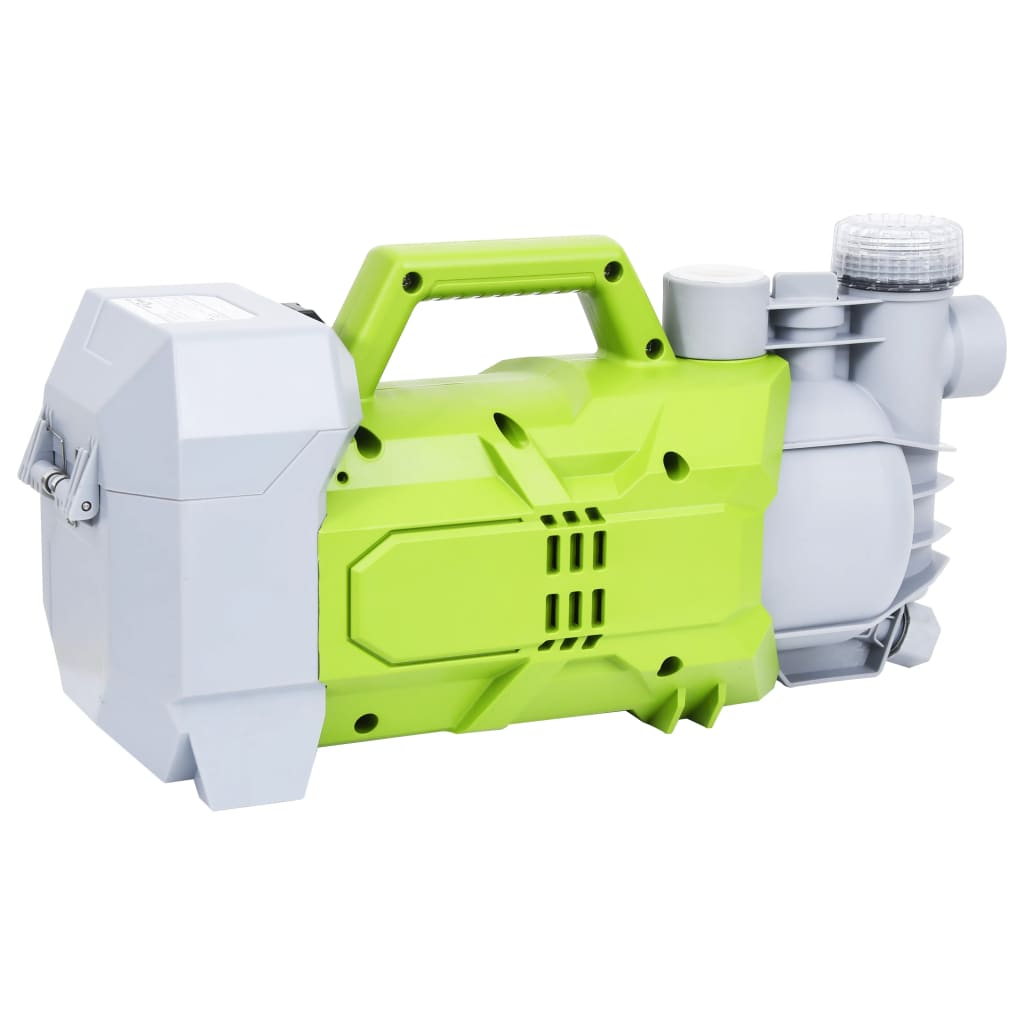
Clear, lively water is the pride of every pool, garden pond or fountain and a sign of a healthy ecosystem. At its heart is the right pump, ensuring water circulation, oxygenation and filtration. Our online store offers a wide range of pumps for every need, from compact submersible pumps to high-performance pond and pool pumps.
Choosing the right pump delivers the best results and helps prevent problems. Before you buy, consider the type of pump you need, its required output and energy consumption to find the ideal balance between price and quality. Our guide will help you decide which pond pump, pool pump or fountain pump to buy.
The first step is to decide what you primarily need the pump to do. Do you need a device to circulate water, create a fountain or power a filtration system? There’s a specific solution for every task.
The two most important technical specifications when choosing a pump are its flow rate (in litres per hour, l/h) and head height (m). The flow rate shows how much water the pump can move in an hour. As a rule of thumb, a pond pump should circulate the entire volume of pond water at least once every two hours. Ponds with fish need even more frequent circulation.
Head height shows the maximum height to which a pump can raise water. This is critical if you plan to create a waterfall or direct water to a filter positioned higher up. Keep in mind that every metre of hose and every bend reduce the actual achievable head height. It’s therefore always a good idea to choose a pump with a little extra capacity.
As a pond pump often runs 24/7, its energy consumption (W) is an important ongoing cost. Modern, energy-efficient pumps deliver high performance with low electricity consumption. While a cheap pond pump may seem appealing at first, its higher energy costs may make it more expensive in the long run than a slightly pricier but more efficient model. Investing in an energy-saving model quickly pays off.



Let’s take a closer look at the main types of pumps to help you understand which solution is right for your garden, pool or pond. The right choice will keep things running smoothly for years to come.
A pond pump’s main job is to keep the water moving and direct it through a filter, which is essential for preventing algae growth and maintaining oxygen levels. Stagnant water is harmful to fish and plants. Most models are submersible and are installed directly in the pond. Quality plumbing and connections help ensure a leak-free system.
If you want to create an attractive water feature in your garden with a soothing trickle, a fountain pump is the right choice. These pumps focus on generating water pressure for impressive jets and often come with a range of nozzles. Some fountain pumps also feature LED lighting, making the fountain especially striking after dark.
A pump is essential for pool owners. As part of a filtration system, a circulation pump keeps the water moving and clean. There are also dedicated pool drainage pumps, such as the Bestway models in our range, designed to empty a pool quickly. Durable hoses are often needed to connect them.
Correct installation and regular pump maintenance are essential for a long service life and trouble-free operation. Most pumps are submersible—place yours on a stable base (such as a brick) to prevent it from sucking up mud from the bottom. Check and clean the pump inlet and impeller regularly. Before winter, it’s best to remove most pumps from the water, clean them and store them in a frost-free place. As a electrical device, the pump must be handled with care. Drainage and wastewater pumps can also be useful for larger systems.
Our online store offers a wide range, so you’re sure to find the right pump at a competitive price. Ordering online is quick and convenient. Products covered by a warranty give you peace of mind that your purchase is protected. If you’re looking for a more specialised solution, such as an irrigation pump for watering your garden, you’ll find that in our extensive range too.
| Question | Answer |
|---|---|
| How powerful does my pond pump need to be? | A good rule of thumb is to choose a pump that can circulate the entire volume of pond water through the filter in about two hours. For example, a 5000-litre pond would need a pump with a flow rate of at least 2500 l/h. If the pond has a lot of fish, choose an even more powerful model. |
| Can I use the same pump for both a fountain and a filter? | Yes, you can. Many pumps come with a special two-outlet distributor (Y-connector), allowing them to supply both a filter and a fountain at the same time. If you choose this setup, make sure the pump has enough capacity to handle both tasks. |
| What does a pump’s 'head height' mean? | Head height (also known as 'max head') is the maximum vertical height to which a pump can push water. At this height, the pump’s flow rate is zero. When planning a real-world system, bear in mind that hose length and bends reduce the effective head height. |
| How often should I clean my pond pump? | How often maintenance is needed depends on the size of the pond, the number of fish and the amount of debris in the water. In general, we recommend checking and cleaning the pump at least once a month during the active season. Using a pre-filter will significantly reduce how often maintenance is needed. |