




For private customers
At checkout, product prices are automatically adjusted according to the VAT rate in your delivery country.

No country found
Showing 7 of 7 products with selected filters
7 / 7
No products match your selected filters.
A stable water supply is the foundation of every household. Whether you need drinking water for your home or water for garden irrigation, the right well pump is an investment in convenience. This guide will help you find the best solution for your needs in our range, from an affordable well pump to a complete professional system.
The first step is to understand what type of pump you actually need. Your choice mainly depends on the type and depth of your well and how you plan to use the water. Choosing the wrong pump can result in low water pressure, excessive electricity consumption or premature equipment failure. So consider your options carefully.
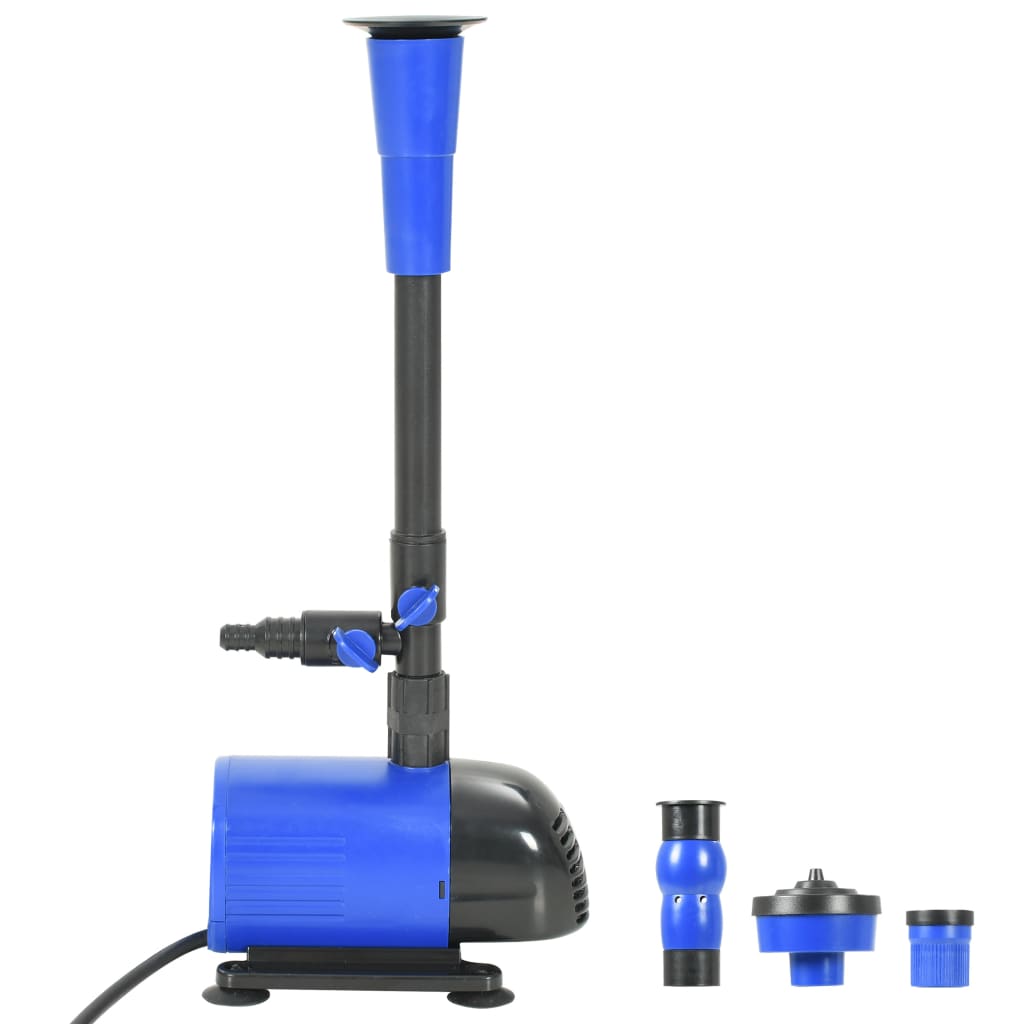
These are designed for use in deep boreholes. As the name suggests, a submersible pump is installed directly in the water inside the well, where it pushes water upwards. This is much more efficient than drawing water up by suction. If you need a year-round water supply for your home from a borehole, a high-quality deep well pump is the only sensible choice. Many people consider Grundfos well pump models for their well-known reliability.
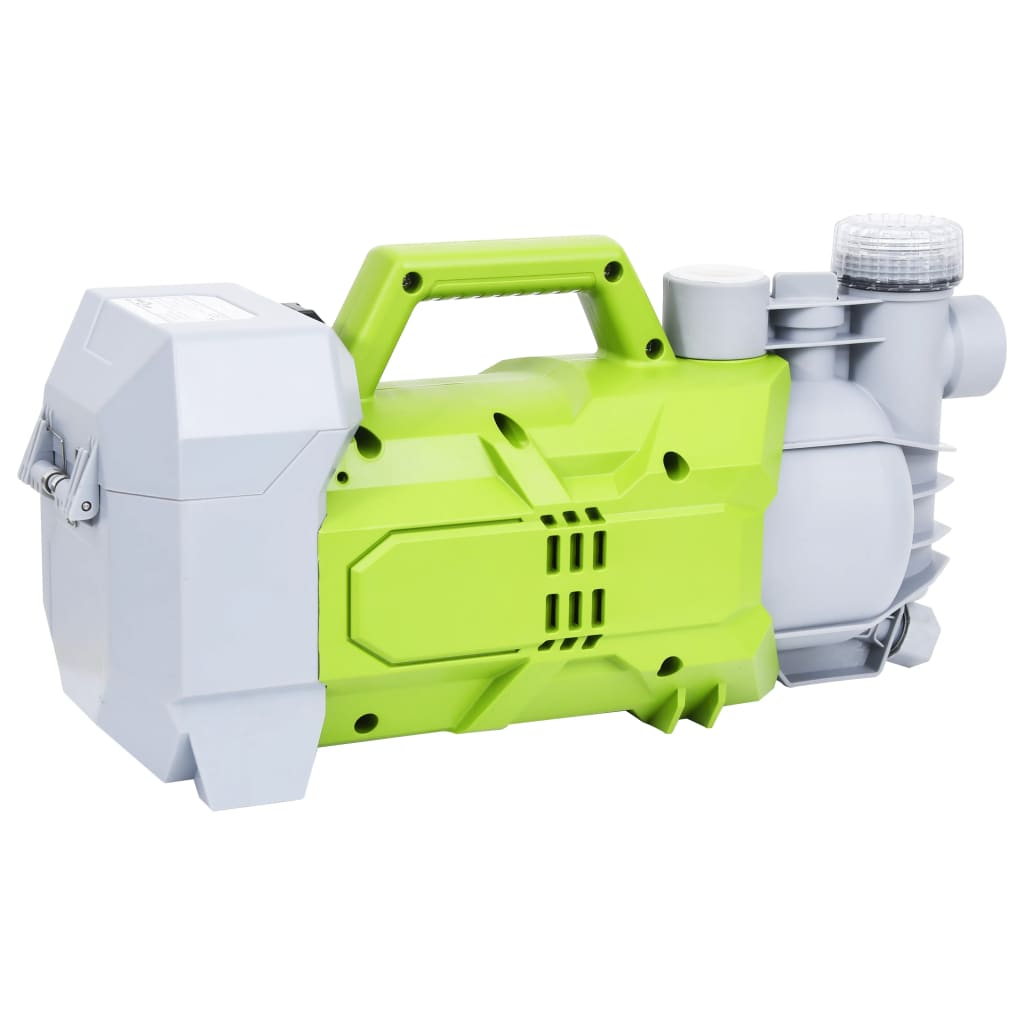
These devices are ideal for dug wells and other shallow water sources. A garden pump is installed above ground and draws water up through a hose. An automatic water pump is essentially a garden pump with a pressure tank and pressure controls, which maintain stable pressure and switch the pump on and off as needed. It is an excellent solution for watering the garden or supplying water to a summer kitchen. If you are looking to buy a well pump, this category offers the widest selection.
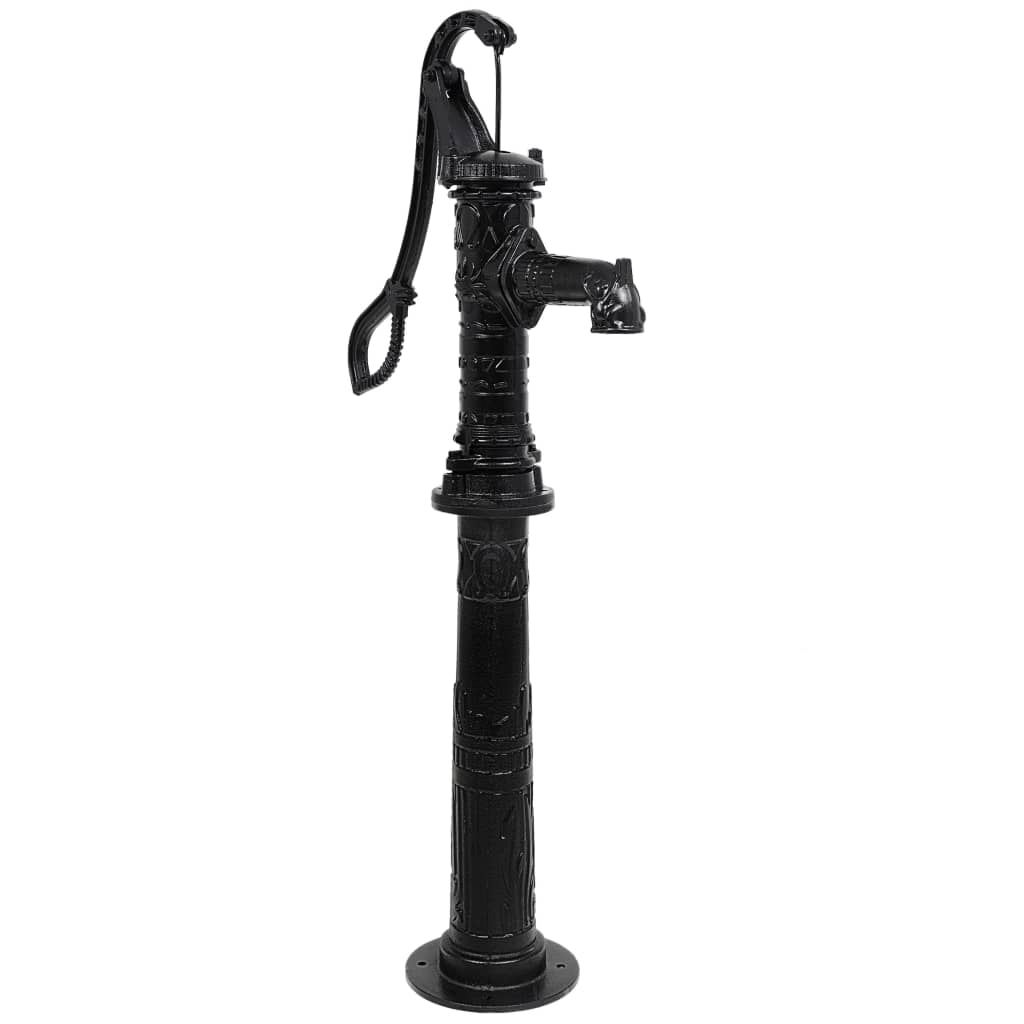
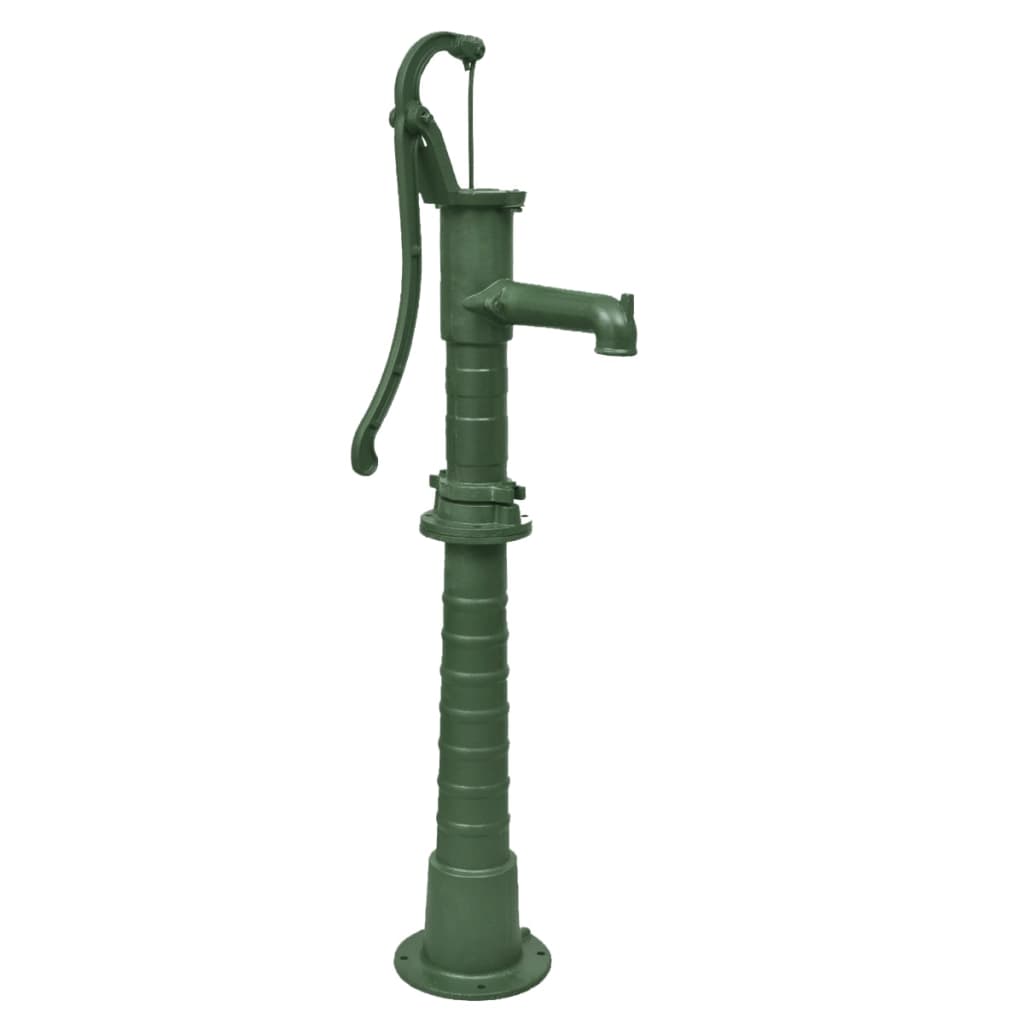
Usually valued for both their decorative and practical qualities, a cast-iron hand pump is a beautiful addition to any garden. It requires no electricity and is ideal for pumping small amounts of water, for example to fill a watering can. It also makes a great backup during power outages. Our range includes both classic pumps and matching bases.



Once you have determined the pump type, it is time to look at the technical specifications, which largely determine the price of a well pump. Knowing a few basic facts is all you need to make the right choice.
Flow rate indicates how many litres of water a pump can move per hour. A typical household needs around 2000-3000 l/h. Head (or maximum pressure) indicates how high the pump can push water. It needs to cover both the depth of the well and the desired water pressure in your home (usually 2-3 bar, equivalent to a 20-30-metre water column). Remember to account for the horizontal length of the pipework as well: every 10 metres of horizontal pipe is equivalent to about 1 metre of vertical head.
Power (W) is related to flow rate and head. Choosing an overly powerful pump “just in case” is not a good idea, as it can waste electricity and overdraw the well. Durability is important when it comes to materials. Cast-iron housings are exceptionally long-lasting, while the stainless steel used in deep well pumps offers excellent resistance to constant exposure to water.
An automatic water pump or a separate system with a pressure tank is essential if you want steady water pressure from your taps. A pressure tank is an expansion vessel that holds a certain amount of water under pressure. This reduces how often the pump switches on and off, extending its service life and ensuring a steady flow of water. For installation, you may need specific tool sets and high-quality hoses to ensure the system operates without leaks.
Buying a well pump system online is convenient and straightforward. You can compare the technical specifications of different models at your own pace, read guides and find the best value for money. Buying a well pump from our online store is safe and easy, as the key specifications are clearly listed for every product. If you are carrying out other plumbing work, you will find everything else you need here too.
| Question | Answer |
|---|---|
| How deep can a deep well pump be installed? | It depends on the specific model. The technical specifications for each pump state its maximum submersion depth and maximum head. The pump should be installed below the dynamic water level, but not right at the bottom of the well, to prevent it from drawing in sediment. |
| Do I definitely need a pressure tank? | If you use the pump only to water the garden directly from a hose, you may not need a pressure tank. However, if you want stable water pressure in your home (for showers and taps), a system with a pressure tank or an automatic water pump is essential for extending the pump's service life and ensuring ease of use. |
| What is the difference between a well pump and an automatic water pump? | Simply put, an automatic water pump is a set consisting of a pump, a pressure tank and a pressure switch. A standard well pump is just the pump itself. An automatic water pump is a “plug-and-play” solution that regulates itself. Similar automatic systems are also used with wastewater pumps, for example. |
| How do I choose the right pump power? | The pump's power should match your needs. Calculate the total required head (well depth + desired household pressure in metres) and water demand (how many taps will be open at once, in l/h). Choose a pump whose operating point (the optimal relationship between flow rate and head) is closest to your requirements. If you also need irrigation, you can explore specialist irrigation pumps. |
| How do I maintain a well pump and prepare it for winter? | Deep well pumps are generally maintenance-free. For garden pumps and automatic water pumps, it is important to drain all the water from the system before the cold weather arrives to prevent freeze damage. Store the pump in a dry, warm place. Regularly checking and cleaning the filters will help extend the equipment's service life. |