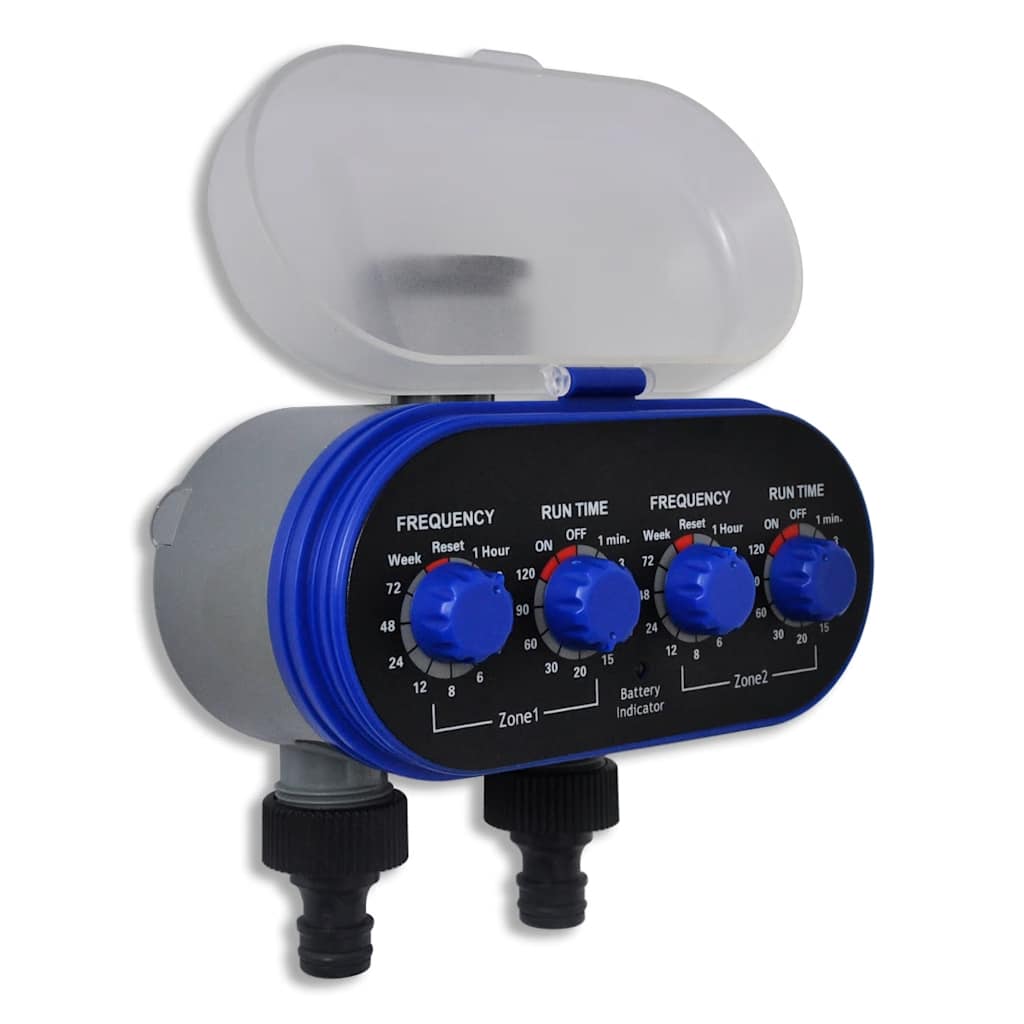
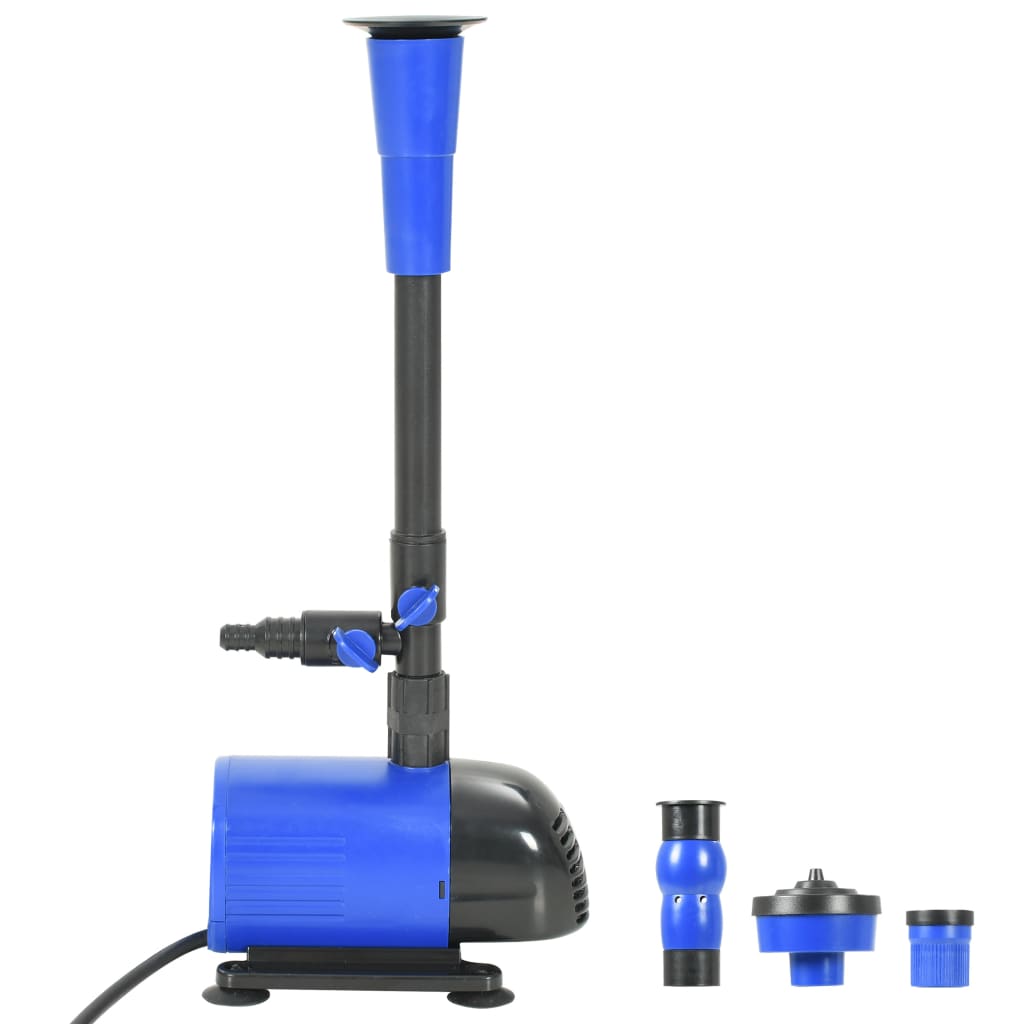
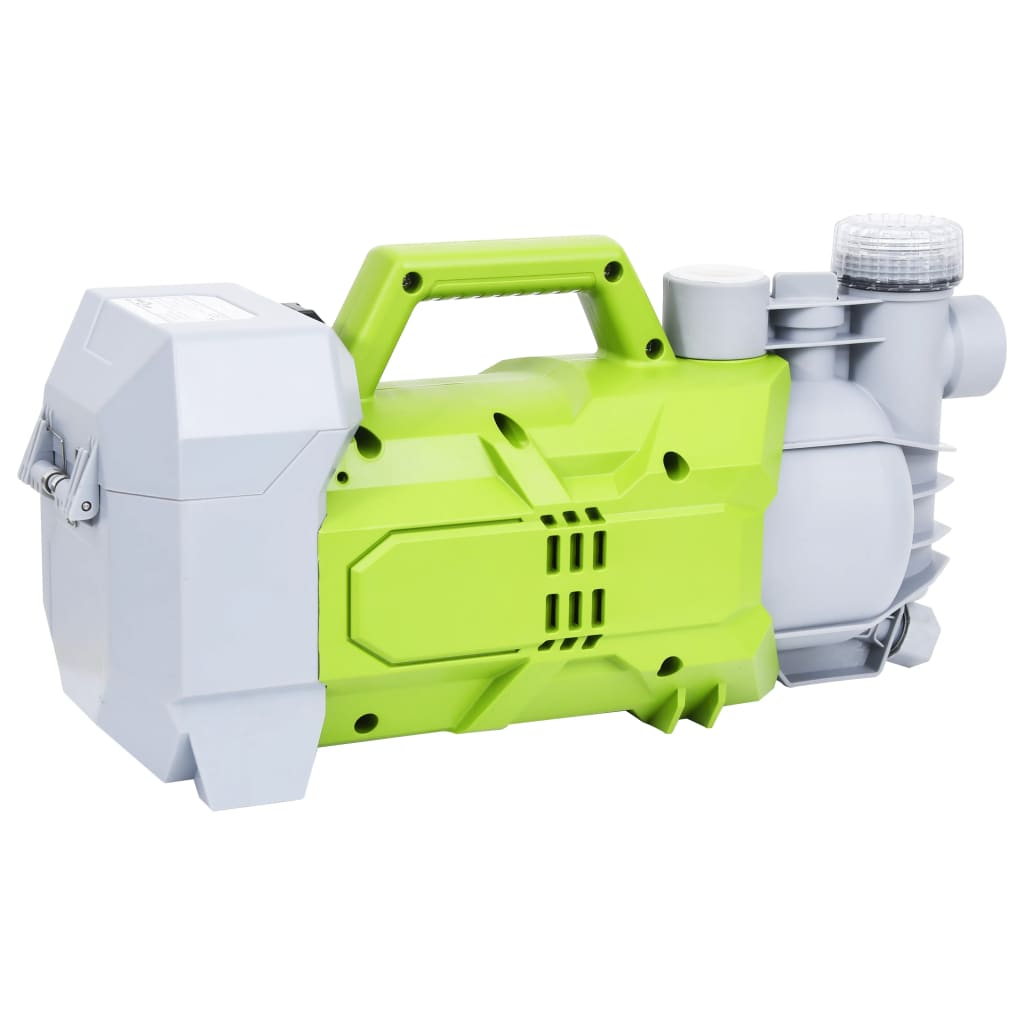
Keep your garden lush and maintain stable water pressure at home with the right pump. Our range includes efficient irrigation pumps, powerful booster pumps (pressure tank systems) and reliable sprinkler pumps. Choose from a wide selection of electric, petrol and battery-powered models for a hassle-free water supply.
Items of the same group are combined into one delivery with no change in price. For large orders, the shipping cost is recalculated in the cart.
Shipping cost
1
No products match your selected filters.
A lush lawn, a generous harvest and easy garden-bed care all start with the right pump. Our range has the right solution for every need – from simple garden watering to complex irrigation systems and boosting household water pressure. This is more than just selling pumps: it’s an investment in the health of your garden and your convenience.
How to choose the right pump: key features to consider
Choosing the right pump starts with identifying your needs: do you need a pump just for watering the garden, or also to boost water pressure in your home? Where is your water source, and how far away is the area that needs watering? The answers will help you find the ideal model. The price of a garden pump depends on its capacity and technology, but the right investment quickly pays for itself.
Pump types: garden pumps, booster pumps or jet pumps?
First, decide what you need the pump to do. Each type of pump has a specific purpose.
Standard garden pump (irrigation pump): This is the most common choice for watering gardens. Ideal for pumping water from a well, pond or rainwater tank straight to a hose or sprinkler. If you’re looking for a simple, affordable solution, an electric garden pump is often the best choice.
Booster pump (pressure tank system): If your home has low water pressure, or you need steady pressure for a system with multiple sprinklers, a booster pump (also known as a pressure tank system or pump station) is the right solution. A pressure tank and pressure switch automatically turn it on when system pressure drops (for example, when you open a tap) and off again once the pressure is restored.
Jet pump: These more powerful suction pumps are suitable for drawing water from deeper wells thanks to their greater suction lift. Their design allows jet pumps to generate higher pressure, making them a good choice for pumping over long distances.
Power source: electric, petrol or battery-powered pump?
The next important choice is the power source, which largely depends on where you plan to use the pump.
Electric pumpsThe most common type: reliable and generally low-maintenance. They need to be near a power supply and are ideal for home gardens.
Petrol-powered pumpsPowerful and self-contained, they’re suitable for places without electricity, such as large properties, fields and construction sites. They require more maintenance.
Battery-powered pumpsPortable and quiet. The best choice for smaller jobs where a cord would get in the way, such as in a greenhouse, on a balcony or for pumping water from a boat.
Expert tip: Don’t underestimate the importance of dry-run protection. This feature automatically switches off the pump when the water source runs dry. This simple add-on can save you from costly repairs or having to buy a new pump by protecting the motor from overheating.
Performance: power, flow rate and pressure
A pump’s technical specifications are key to choosing the right model. Here are four main figures to look out for:
Power (W): Indicates the motor’s energy consumption. More power doesn’t always mean a better pump, but it gives you an idea of its potential. For example, a 1200W electric garden pump is already quite powerful.
Flow rate (l/h): The most important figure, showing how many litres of water the pump can move per hour. A large garden or a setup with multiple sprinklers needs a higher flow rate, such as 5000 l/h.
Pressure (bar) and head (m): Pressure indicates the force of the water stream, which is crucial when using sprinklers and long hoses. Head indicates the maximum vertical height to which the pump can push water.
Suction lift (m): Shows the maximum depth from which the pump can draw water. This is crucial when pumping from a well or deep tank.
A classic electric garden pump for home use.A petrol-powered pump delivers plenty of power, even away from the mains.A lightweight, portable battery pump for smaller garden jobs.
Choosing a pump for your water source and intended use
A pump’s efficiency largely depends on where the water is being pumped from and to. Different situations call for different solutions. It’s important to understand that pool and pond pumps, for example, are designed for continuous water circulation, while irrigation pumps are designed for short but intensive use.
Expert tip: When calculating the head you need, add horizontal pressure loss to the vertical height. As a rule of thumb, every 10 metres of hose reduces the head by about 1 metre. With a 50-metre hose, the pump will therefore need around 5 metres of additional head to compensate for friction. Make sure the hoses and fittings you need are also rated for the pump’s pressure.
Automatic irrigation pump – convenience comes first
If you’re looking for a “set it and forget it” solution, an automatic irrigation pump (pressure tank system) is the best choice. Equipped with a pressure switch and pressure gauge, it monitors system pressure and starts automatically when you open a tap or turn on a sprinkler. Once watering is finished, the pump switches itself off. It’s ideal for automating an irrigation system – the added convenience makes the higher price worthwhile.
When ordering online, you can easily compare prices and technical specifications across different models. Our online store has a wide range of pumps to suit every budget. Clear product information makes it easy to choose, and we’ll deliver your chosen pump to you quickly.
Expert tip: When pumping water from a natural source such as a pond or river, a pre-filter is essential to protect the pump from sand and debris. This helps extend the life of your equipment. Some models have a built-in filter; one can be added to others. When the pump is not in use, protect it from the elements with a suitable storage solution, for example.
A petrol-powered pump is indispensable where there’s no mains power, such as on a construction site or when draining clean water from a flooded basement (as an alternative to drainage pumps). Its power and portability make it a versatile tool. If needed, a generator can also power an electric pump wherever you need it.
Why choose ZAZA?
A wide range for every need: We have everything from an affordable irrigation pump for your summer home to a powerful pressure tank system for a private home water supply. Our products offer a balance of price and quality.
Always free, fast delivery: Whether you’d like your pump delivered to Tallinn, Tartu, Pärnu, Narva or a small village on Saaremaa, we offer free delivery throughout Estonia.
Expert information and easy shopping: Every product comes with clear technical specifications and descriptions. Make an informed choice from the comfort of your home. Our online store is open 24/7.
Warranty and peace of mind: All the pumps we sell come with an official warranty, giving you peace of mind that your investment is protected.
Frequently asked questions (FAQ)
What’s the difference between a jet pump and a standard garden pump?
The main difference lies in how they work and what they can do. A jet pump uses the vacuum created by water jets to draw in water, allowing it to draw water from greater depths and generate higher pressure. A standard centrifugal garden pump has a simpler design and is well suited to pumping water from shallower sources.
Can I use a garden pump to boost water pressure in my home?
Technically, yes, but it’s neither recommended nor convenient. A garden pump runs continuously while switched on. Special booster pumps, also known as pressure tank systems, are designed for boosting water pressure. They switch on and off automatically as needed, maintaining steady system pressure and saving electricity.
How noisy are these pumps?
Noise levels depend on the type and power of the pump. Battery-powered pumps are the quietest. Electric pumps make a moderate amount of noise, which is usually tolerable. Petrol-powered pumps are the loudest, with noise levels comparable to a lawn mower.
How do I choose a pump with the right power rating (W)?
Don’t focus on watts alone. The pump’s flow rate (l/h) and maximum head/pressure (m/bar) are more important. A 600-800 W pump is enough for a small garden and one sprinkler. For a larger system, longer hoses and multiple sprinklers, consider a pump rated at 1000 W or more.
Please log in or create an account to request product availability.
For private customers
At checkout, product prices are automatically adjusted according to the VAT rate in your delivery country.
For B2B customers and legal entities
Registered B2B customers and legal entities receive personalized wholesale prices. After registering, contact us and we’ll activate your company’s individual discount. Special prices for all products will then be shown automatically in your account.