



For private customers
At checkout, product prices are automatically adjusted according to the VAT rate in your delivery country.

Christmas
Furniture
Home & Garden
Sport
Clothing
Mattresses
Watches
Electronics
Construction


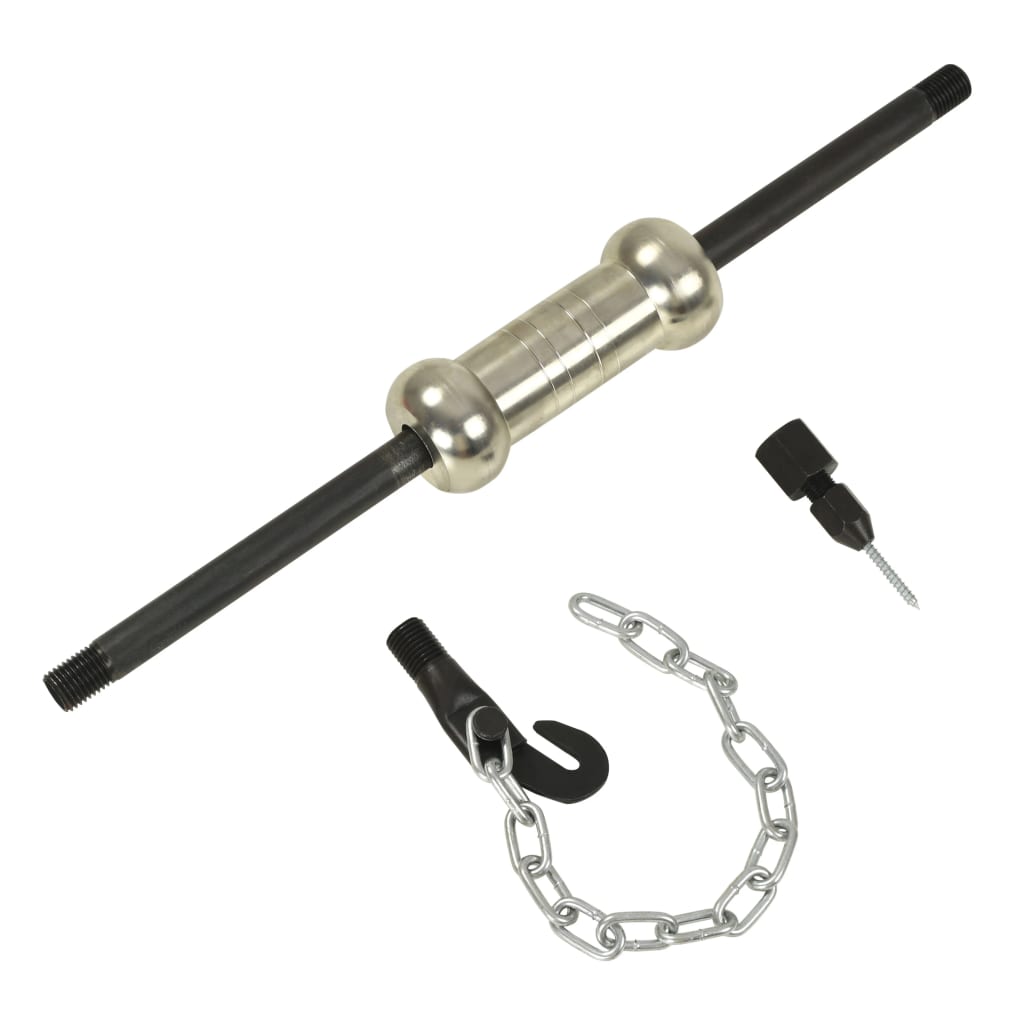
A hammer is more than just a tool – it’s an extension of your hand, turning raw force into a precise, controlled strike. Choosing the right hammer can have a major impact on the quality and speed of your work and, most importantly, on your comfort and safety. Whether you’re looking to buy a hammer for simple DIY jobs or need a specific professional tool, our range has you covered.
Every job calls for a different approach and, therefore, a different type of hammer. Using the wrong tool is not only inefficient but can also be dangerous. Here’s an overview of the most common types to help you make the right choice.
The best-known type of hammer, with a flat striking face on one side and a claw on the other. It’s an essential tool for general construction, repairs and woodworking. The claw is ideal for removing nails, while a straighter claw on a framing hammer is also handy for prying up boards. If you need one all-purpose hammer, a quality claw hammer is a great investment. Our online store stocks models in a range of weights at affordable prices.
When you need brute force, reach for a sledgehammer. Its heavy head and long handle make it ideal for demolition, driving stakes into the ground and breaking rocks. The price of a sledgehammer depends on its weight and materials. Make sure the handle is strong enough and the head is securely attached. Our range includes durable sledgehammers that can handle even the toughest jobs.
A ball-peen hammer has a flat face on one side and a rounded face on the other, making it a great tool for shaping metal, riveting and working on metal parts. It’s an essential addition to any garage or workshop, especially when used with an anvil. Sheet-metal hammers are more specialised and designed for working precisely with thin sheet metal without damaging it.
A rubber mallet is useful when you need to strike something without damaging its surface – for example, when assembling furniture, laying tiles or joining wooden parts. Other options include brick hammers for shaping bricks and blocks, as well as specialist upholstery hammers. Ordering the right specialist hammer online saves time and ensures you get exactly what you need.
Choosing the best hammer doesn’t always mean picking the most expensive one. It means finding the right tool for your needs. Here are some key factors to consider when looking for a quality hammer that’s right for you.
The weight of the hammer head is one of the most important factors affecting the force of each strike. A heavier head delivers more force, but also requires more effort from the user. Most hammer heads are made of hardened steel for durability. Some professional models are forged from a single piece, which further extends their lifespan. Check that the product comes with a warranty for added assurance of its quality.
The handle connects your hand to the striking face. There are several options:
Whatever the material, it’s important that the handle is ergonomically shaped and has a non-slip coating. This gives you better control and reduces the risk of accidents.
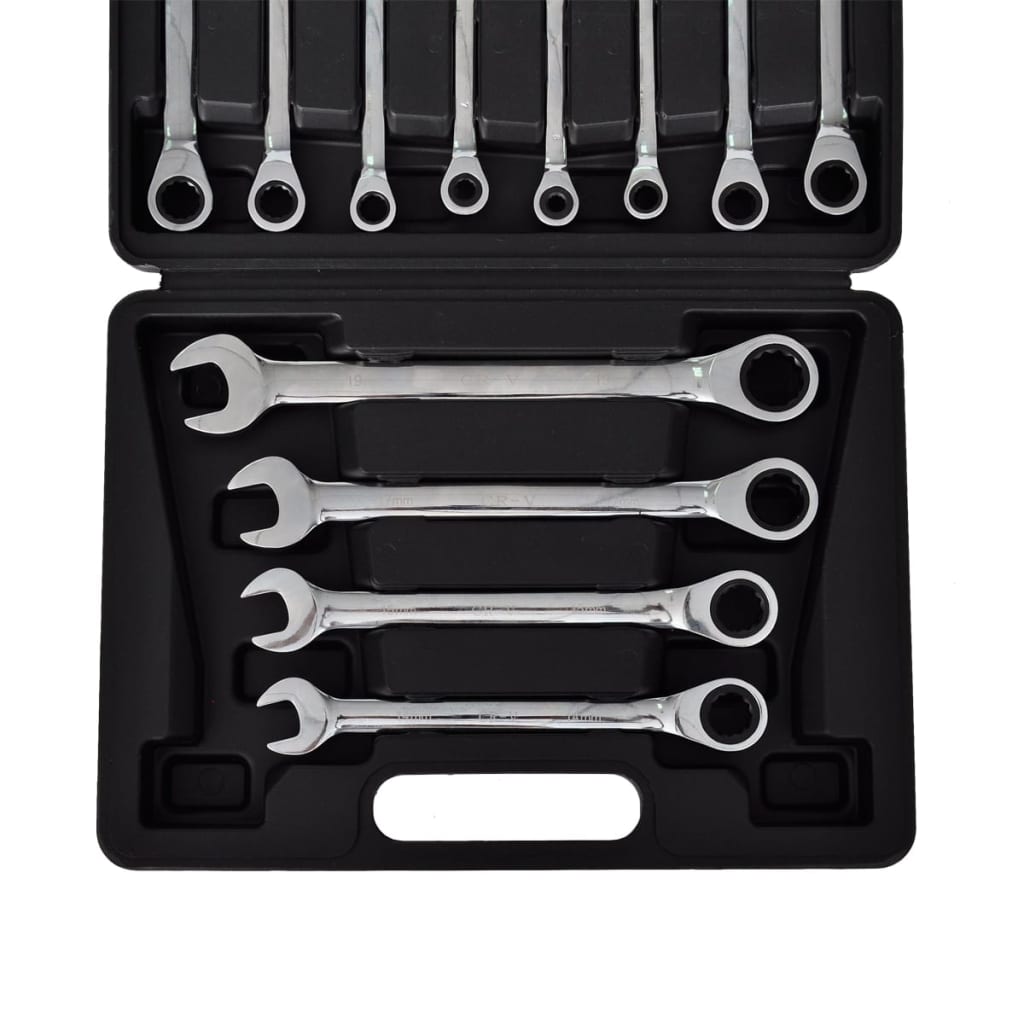
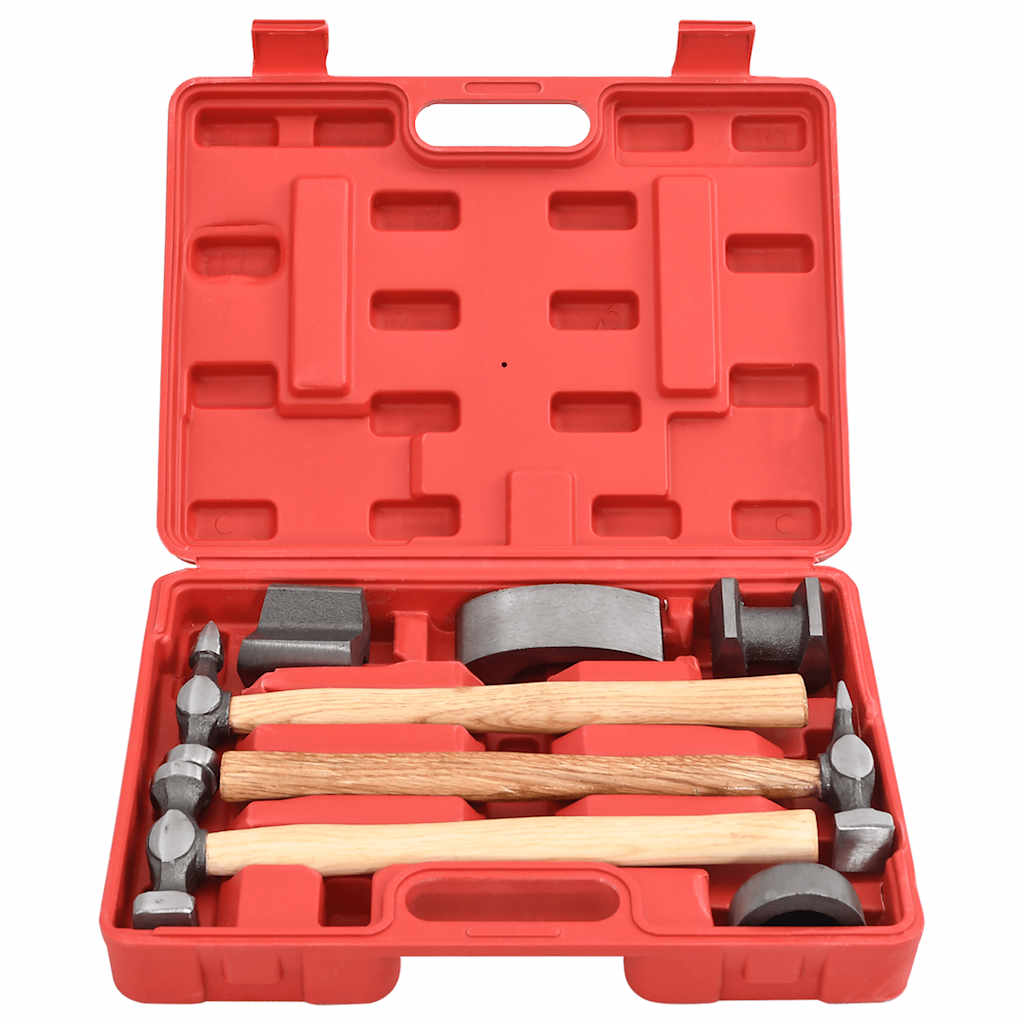
Once you’ve made your choice, don’t forget to organise your tools properly so your new helper stays protected and close at hand. Many people find that buying a complete tool set is the best option, as it already includes everything you need.
Here are answers to some common questions to help you make an even more informed choice.
| Question | Answer |
|---|---|
| What weight hammer should I choose for home use? | A claw hammer weighing 450-570 grams is generally ideal for home use. It’s light enough for longer jobs but heavy enough to drive nails effectively into a wall. |
| What’s the difference between a fibreglass and a wooden handle? | Fibreglass is more resistant to moisture and impact, and absorbs vibration better. A wooden handle (especially hickory) is lighter, offers a better feel and is traditionally preferred by many professionals. The right choice depends on your personal preference and the type of work. |
| Is a more expensive hammer always better? | Not always. A higher price often reflects better materials (such as a head forged from a single piece), improved ergonomics and extra features (such as shock absorption). For occasional home use, a more affordable but well-made model is often enough. For professional and daily use, however, investing in a more expensive model is well worth it. |