



For private customers
At checkout, product prices are automatically adjusted according to the VAT rate in your delivery country.

No country found
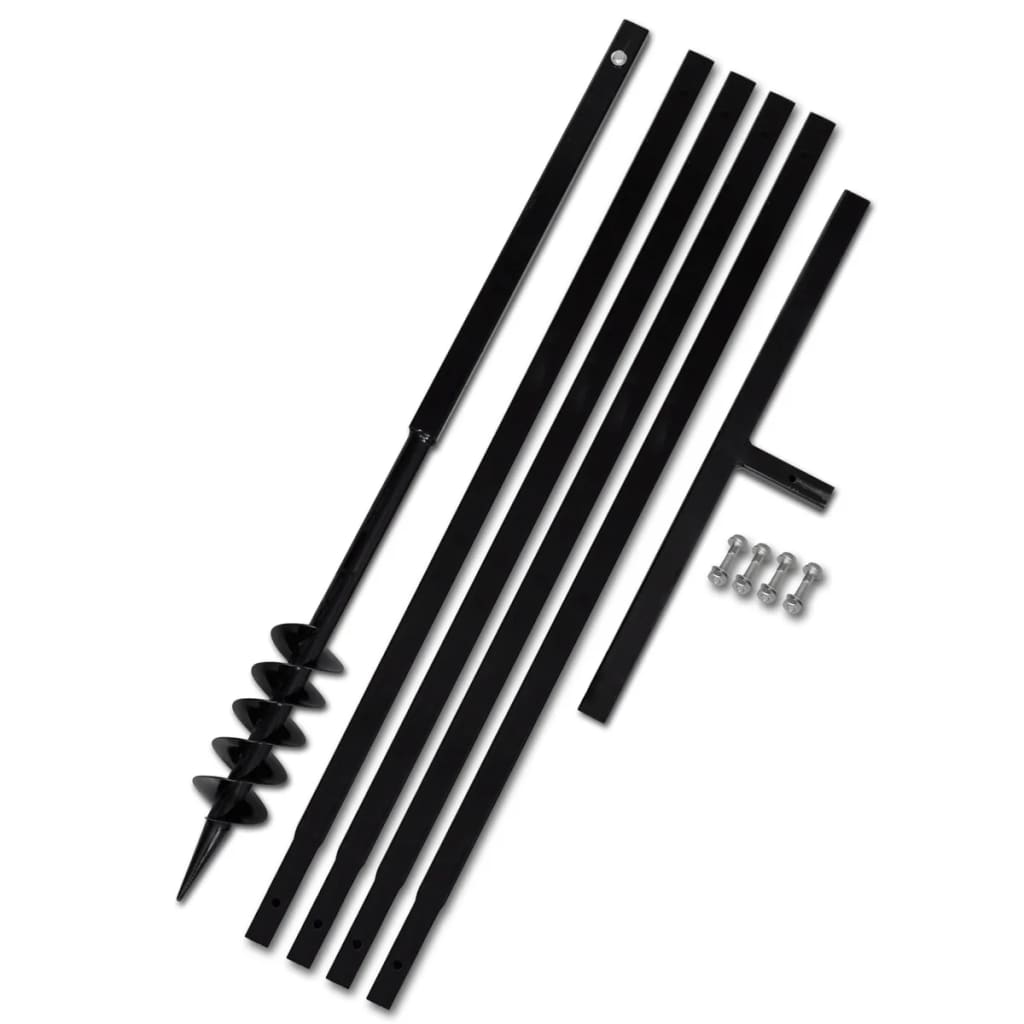
SKU: 270539
EAN: 8718475886266

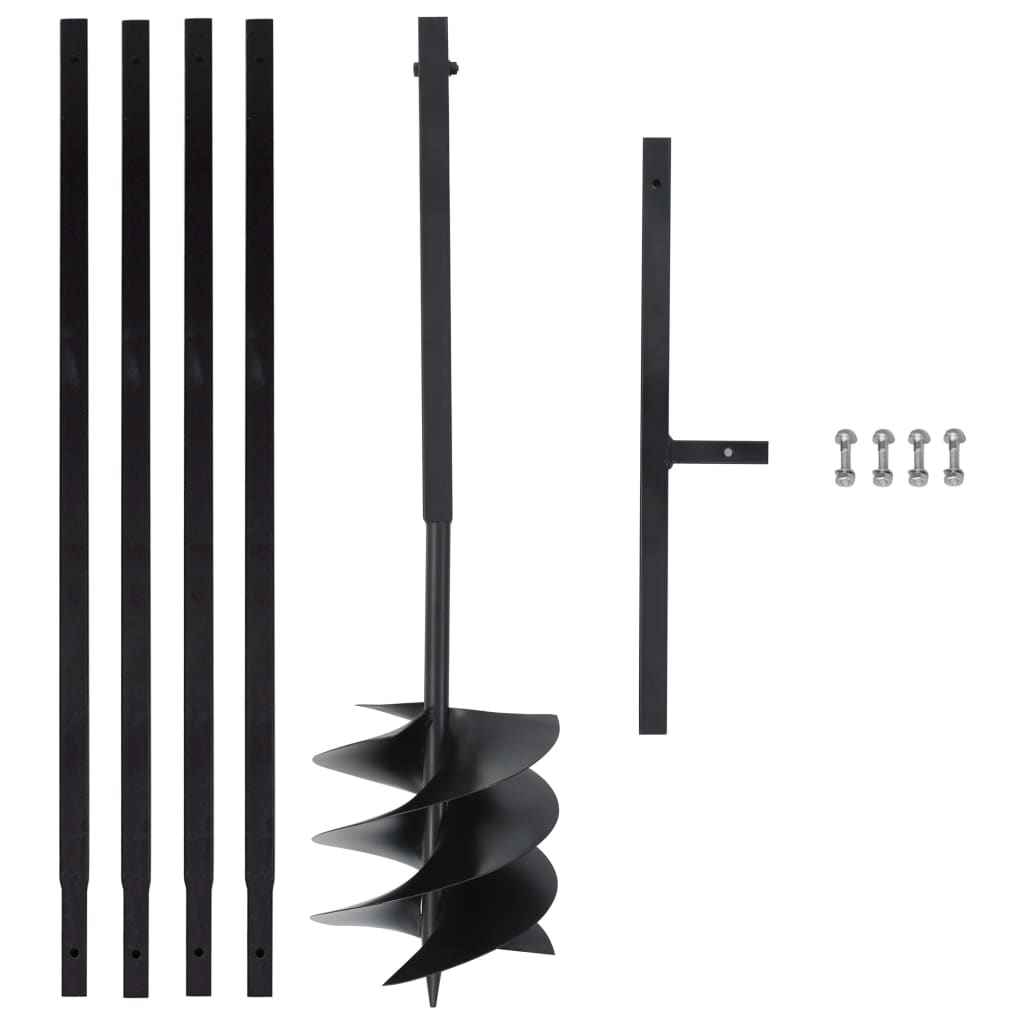
SKU: 3059406
EAN: 8720286225431
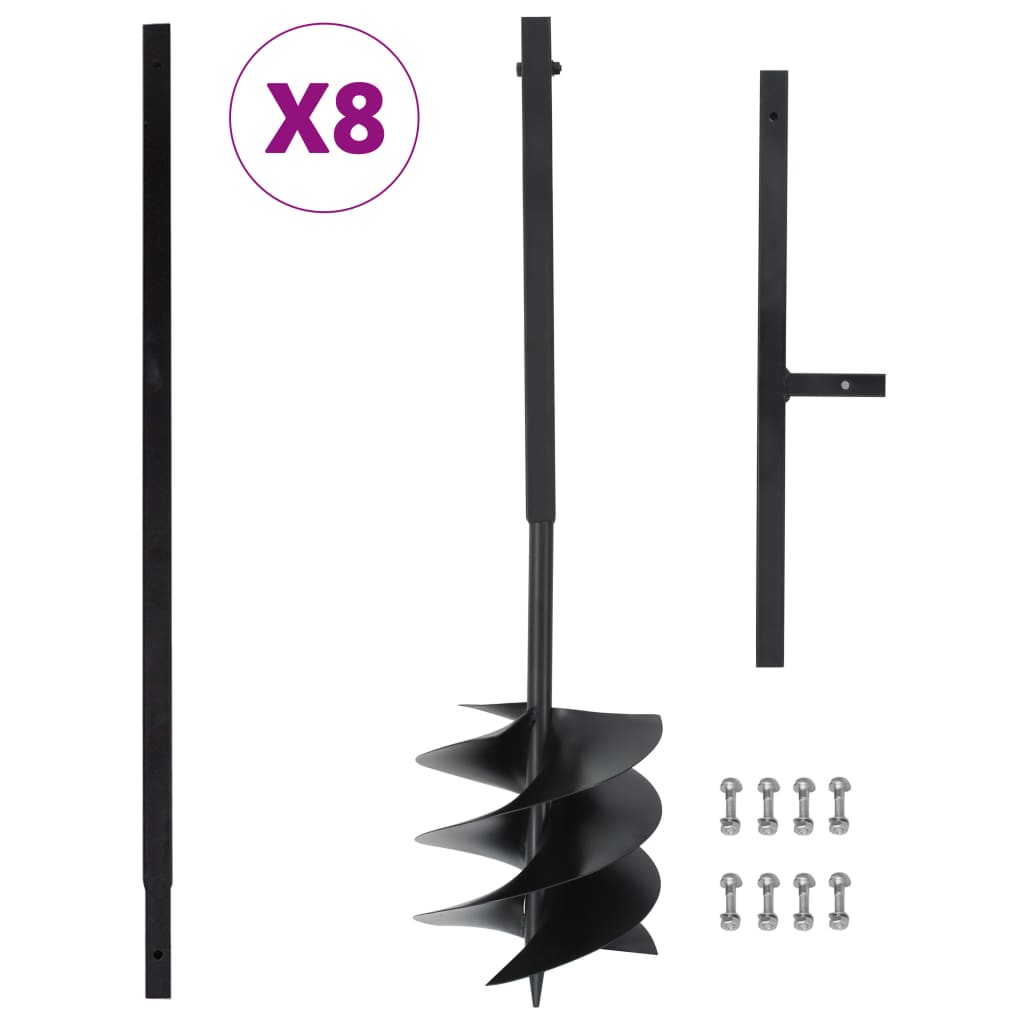
SKU: 3059407
EAN: 8720286225448
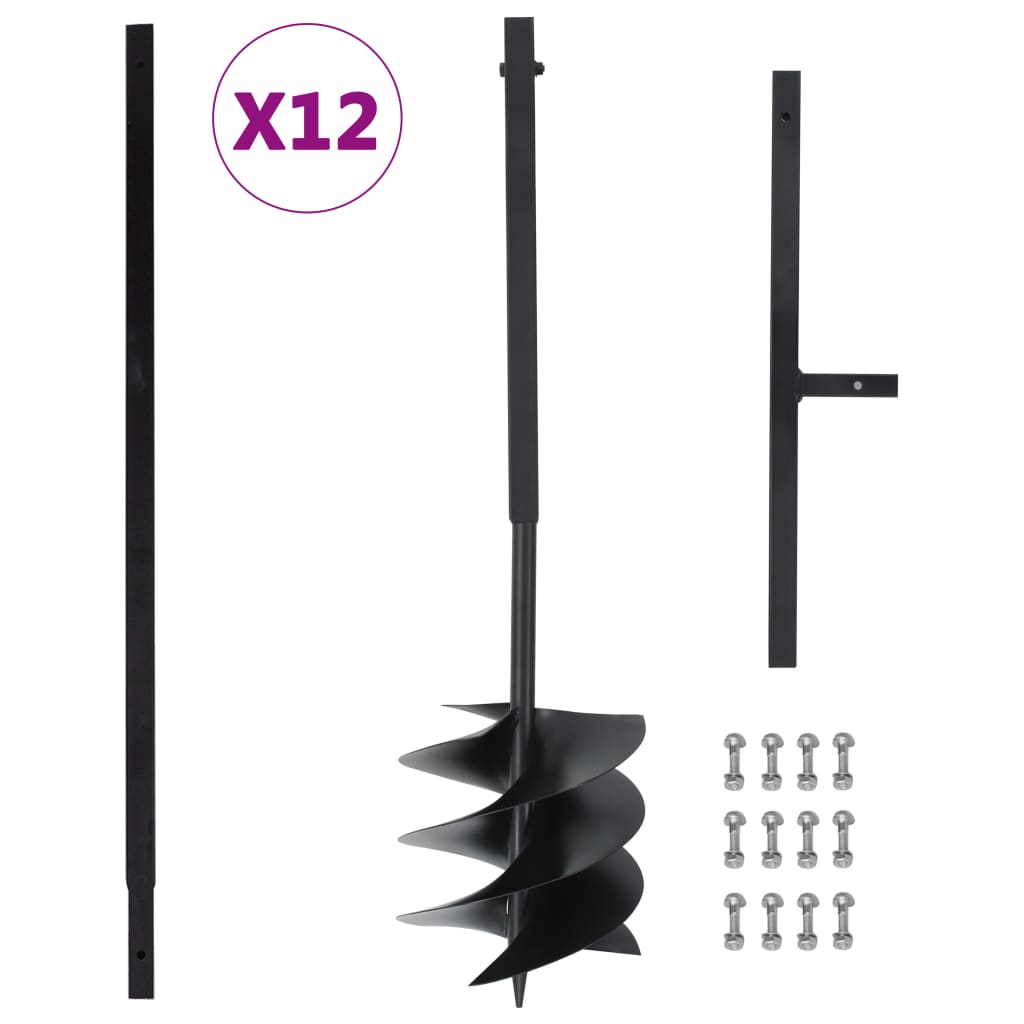
SKU: 3059408
EAN: 8720286225455
A drill is an essential power tool for every tradesperson, home renovator and DIY enthusiast. It’s long been much more than just a device for drilling holes. Today’s drill driver is a versatile helper for assembling furniture, fixing shelves to walls, building decks and tackling dozens of other jobs at home, in the garage or on a building site. Choosing the right tool can be tricky, however, as there’s a wide range to choose from and specifications vary. This guide will help you find the right model for your needs and budget.
Before deciding which drill to buy, it’s important to understand the main differences and features. The best drill for you depends entirely on the type and frequency of the work, as well as the materials you’ll be working with. Consider whether you’ll mainly be driving screws or also drilling into tough materials such as stone and metal.
This is the first and most important choice. Cordless drills offer outstanding mobility and convenience. You don’t have to worry about cables or extension leads, making it much easier to work on a ladder, outdoors or in tight spaces. Modern lithium-ion batteries are lightweight and provide enough power for most household jobs. Cordless drills may cost a little more, but the freedom they offer is often worth it.
Corded drills, on the other hand, are known for their unlimited runtime and consistent power. If your work involves continuous, intensive drilling, especially into tough materials, a corded model is a reliable choice. They’re often lighter too, as they don’t have a heavy battery. They’re ideal for a workshop where a power outlet is always close at hand.
For cordless drills, voltage (V) is one of the main indicators of performance. A 12V or 18V drill is usually enough for home use. The 18V drill has become something of a gold standard, offering an excellent balance of power and weight. Professionals looking for maximum performance may even consider 20V or more powerful models.
Torque (Nm) indicates a drill’s twisting force, or its ability to drive screws and overcome resistance while drilling. Larger screws and denser materials require higher torque. Most drills have an adjustable clutch, allowing you to set the torque precisely to prevent overtightening screws and damaging the material.
If you plan to drill into stone, brick or concrete, a hammer drill is essential. This function adds rapid forward-and-back impacts to the rotary motion, helping the drill bit break up the material. The difference between a standard cordless drill and a hammer drill is especially noticeable when working with hard materials. Many modern cordless drills come with a hammer function, making them extremely versatile. But if you know you’ll mainly be working with wood and metal, a model without hammer action will do the job and is often more affordable.
Our online store has a wide selection of drills, grouped according to their purpose and capabilities. Whatever your needs, we have the right drill in stock for you to order today.
This is our most popular category, ideal for home users and most repair jobs. These lightweight, compact tools are great for driving screws and drilling holes in wood, metal and plastic. If you’re looking for your first drill or simply need a reliable helper around the house, a quality drill driver is the best choice. Many come as a kit with two batteries and a charger, so you can keep working without interruption.
A favourite among builders and serious DIY enthusiasts, these tools combine a standard drill with a hammer mechanism, making them true all-rounders. A hammer drill can handle drilling into wood and metal as well as making holes in concrete walls. If you’re looking for one tool that can do almost everything, a professional hammer drill is a solid investment. Our range includes models with different impact rates and power levels.
When it comes to precision and stability in the workshop, no tool beats a drill press. Unlike a handheld drill, drill presses are stationary, allowing you to drill precise, repeatable vertical holes. They’re essential for woodworking and metalworking, where every millimetre counts. Our drill presses are for anyone who values accuracy and safety.
The drill itself is only half the story. With the right accessories, you can make the most of your tool. Quality drill bits are essential, and they’re designed for specific materials—wood, metal and masonry bits are all made differently. There’s also a wide range of screwdriver bits, countersinks and other attachments. Many of our tool sets already include essential accessories, making them a great starting point. And as your collection grows, it’s worth considering a good tool storage system to keep everything close at hand.
Other similar tools are also available for specific tasks. For example, specialist screwdrivers are lighter and more compact, designed specifically for assembling furniture and other precision screwdriving jobs. It’s easy to order the drill or other tool that suits you best from our online store. We have a wide selection, and every product page includes detailed information.
Our goal is to offer more than just a product. We want to provide a complete, convenient shopping experience that saves you time and money. When you choose ZAZA.ee, you can count on a reliable, well-considered service.
Here are answers to some common questions to help you find your way around the world of drills.
| Question | Answer |
|---|---|
| What’s the difference between a standard drill and an impact driver? | Although they look similar, they work differently. A drill uses continuous rotation (and, if needed, a forward-and-back hammer action), making it suitable for drilling. An impact driver uses rotational impacts (pulses) to deliver tremendous torque for driving long screws and bolts. It isn’t suitable for drilling. |
| How many batteries do I need? | One battery is usually enough for home use, as you can charge it between jobs. For professionals and keen DIY enthusiasts, however, two batteries are almost essential. You can charge one battery while using the other, keeping your work going without interruption. |
| What’s the best drill for drilling into concrete? | A powerful hammer drill is enough for light jobs, such as drilling a hole for a wall plug. For demanding or frequent concrete work, a rotary hammer is the best choice, as it’s specifically designed with a pneumatic impact mechanism for drilling into masonry. |
| How do I maintain my drill? | Keep the tool clean, especially the ventilation openings, to prevent overheating. Remove dust and dirt after use, and check the chuck regularly. For batteries, follow the manufacturer’s charging and storage recommendations. |
 Painting Tools
 Ladders and Scaffolding
 Wire Crimpers
 Hand Trucks
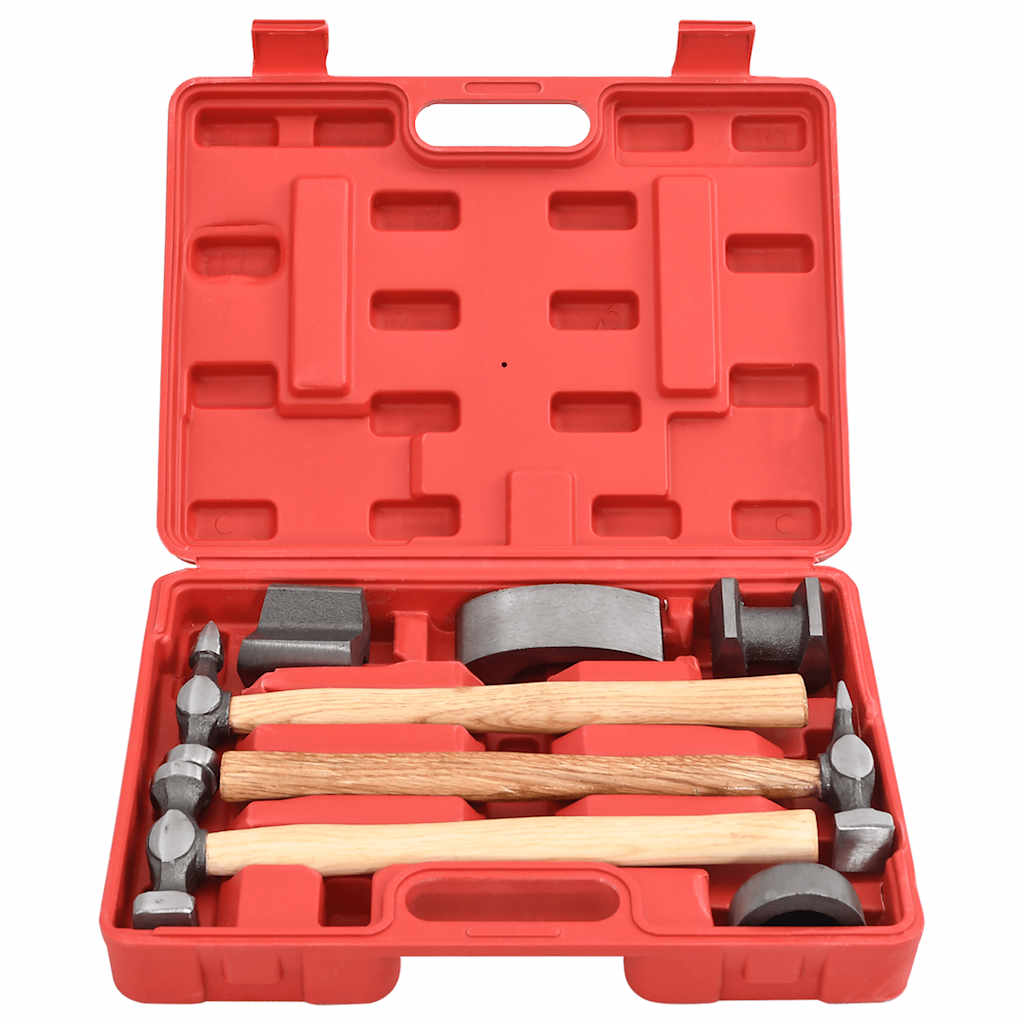 Hammers
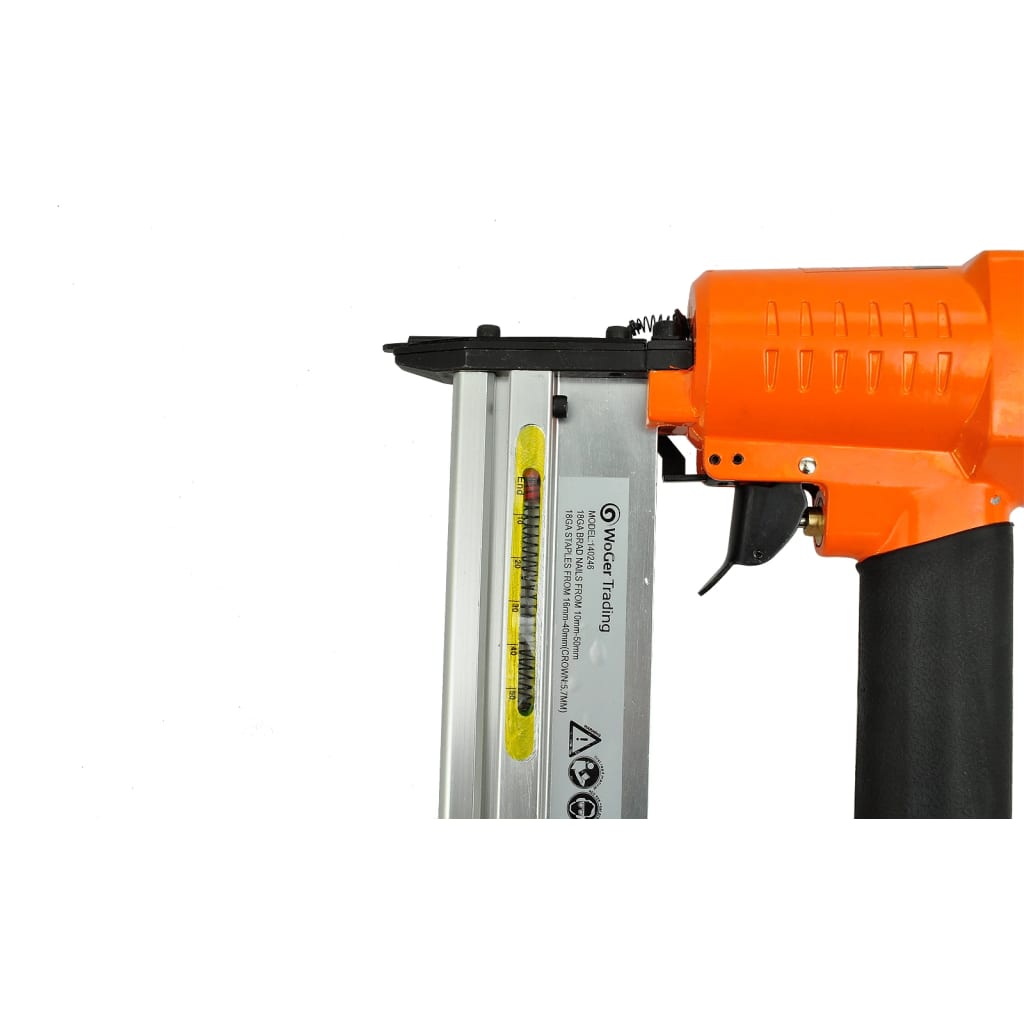 Nailers and Staplers
 Sanders
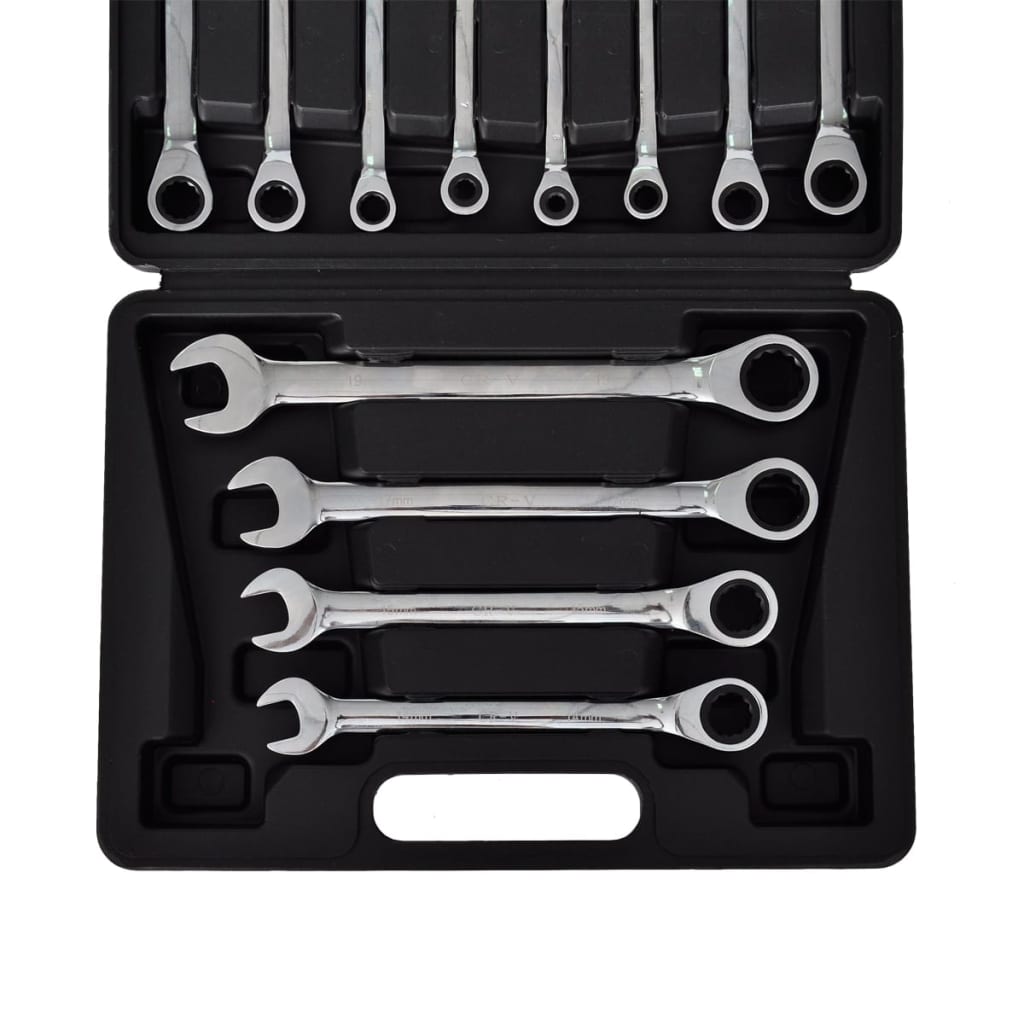 Wrenches
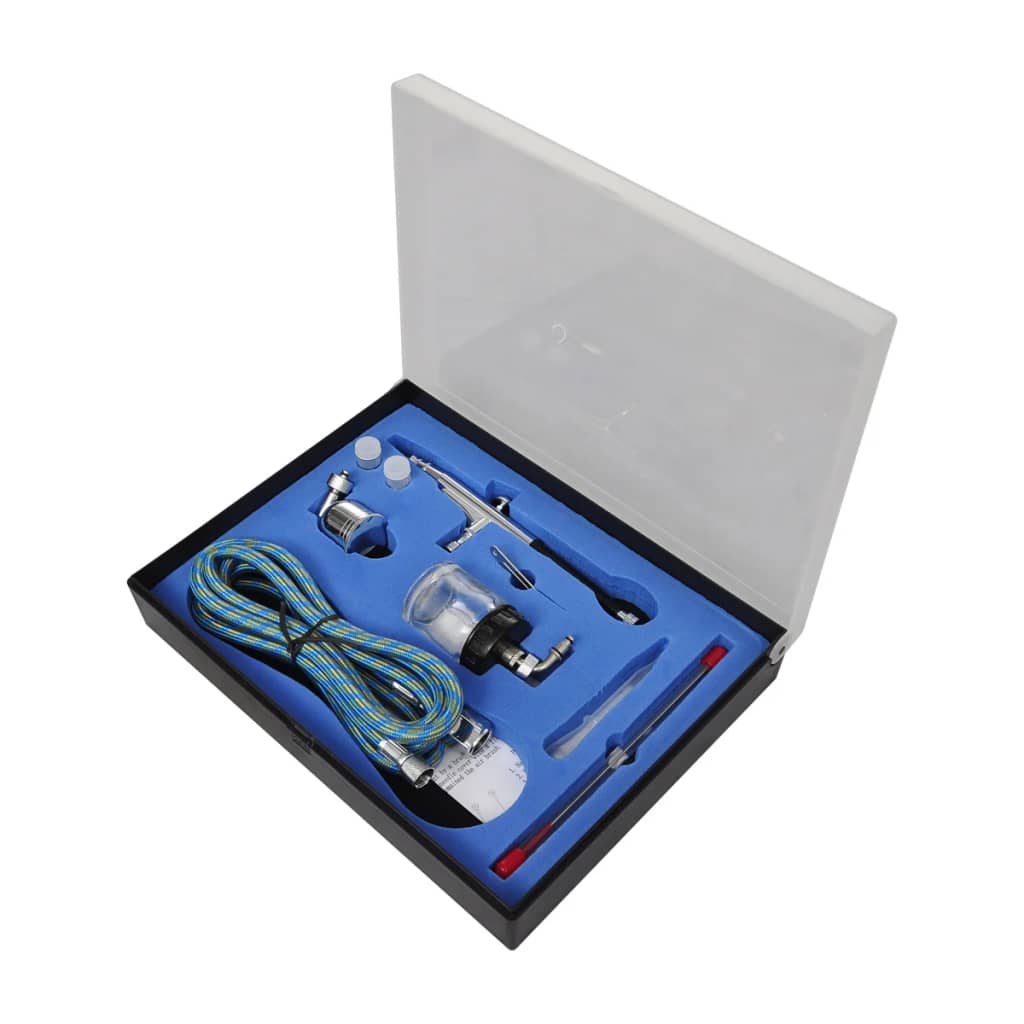 Compressors
 Socket Wrenches
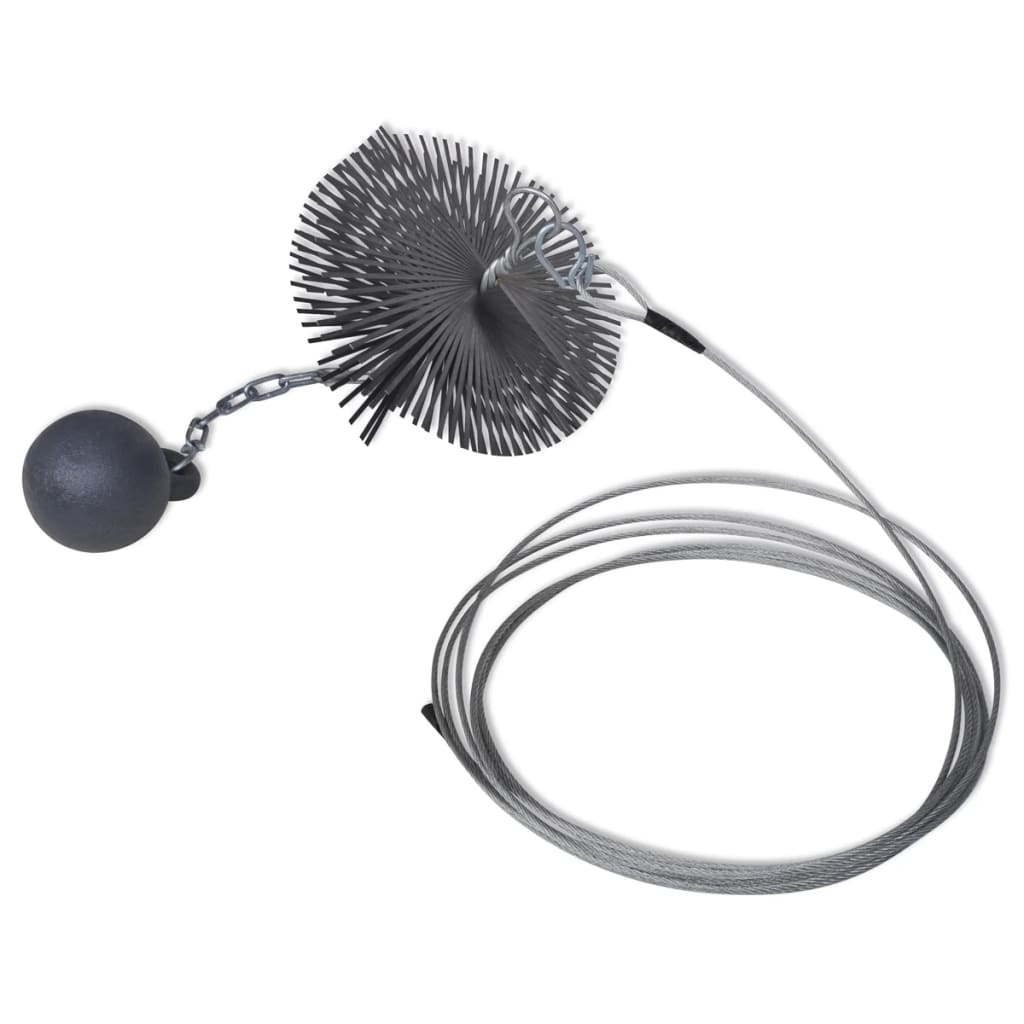 Chimney Brushes
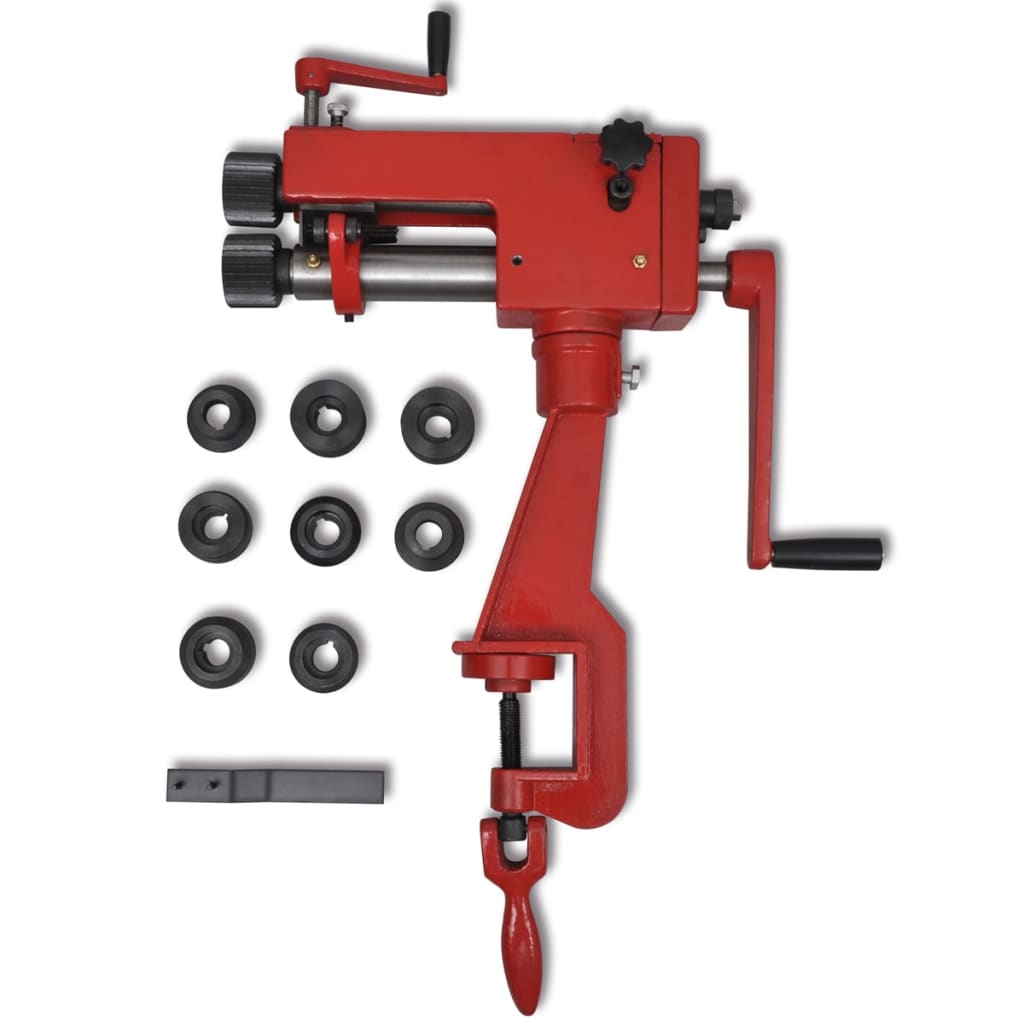 Pipe Benders
 Vises and Clamps
 Measuring Instruments and Sensors
 Lathes and Turning Tools
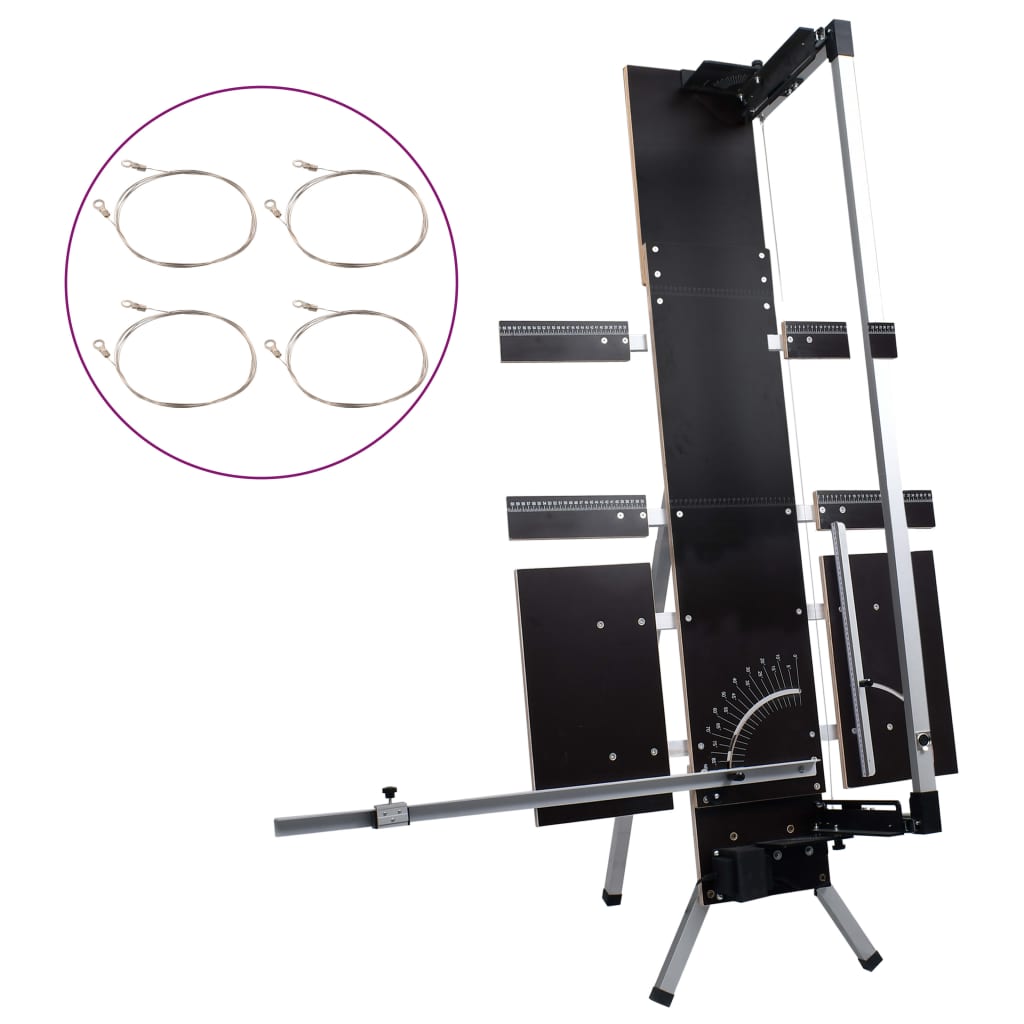 Cutters
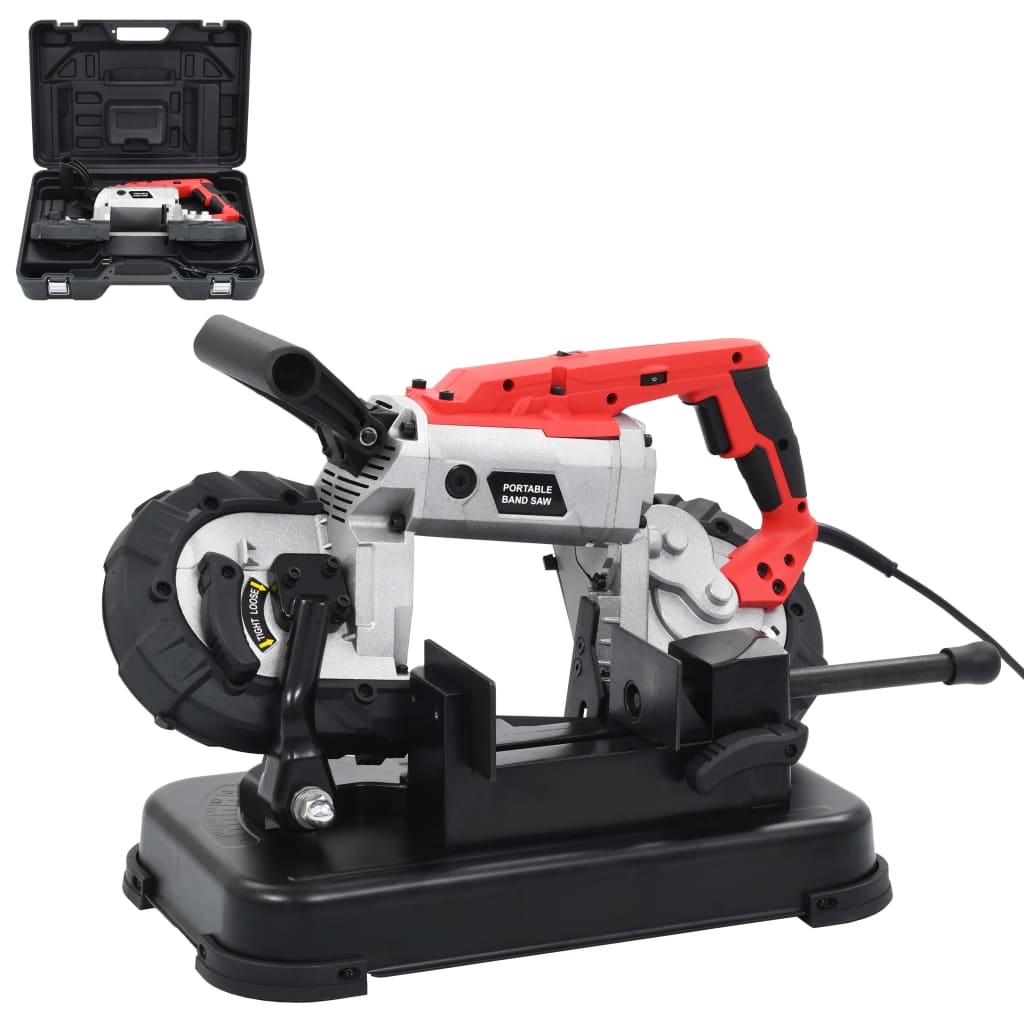 Saws
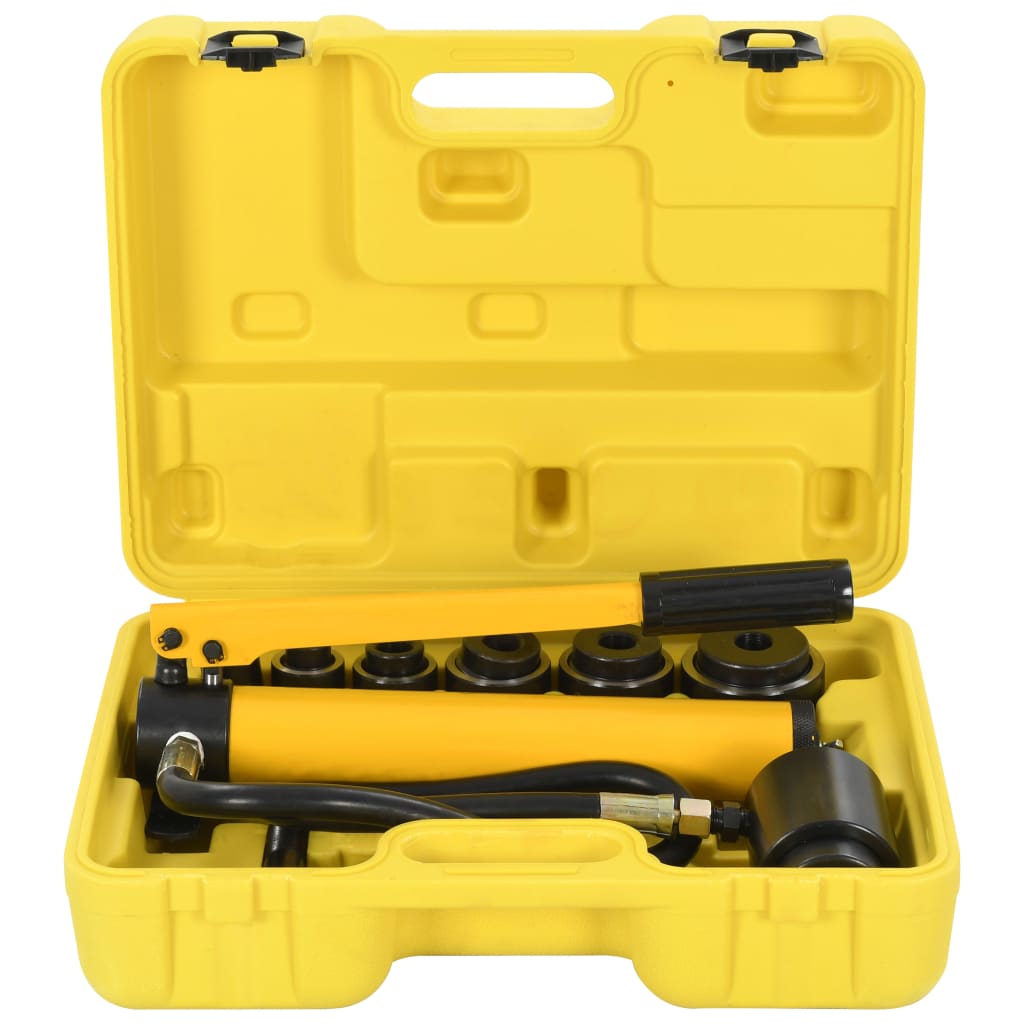 Hole Punches and Awls
 Masonry Tools
 Turning Accessories
 Tool Sets
 Welding Torches and Plasma Cutters
 Anvils
 Threading Tools and Accessories