For private customers
At checkout, product prices are automatically adjusted according to the VAT rate in your delivery country.

Christmas
Furniture
Home & Garden
Sport
Clothing
Mattresses
Watches
Electronics
Construction
Showing 3 of 3 products with selected filters
3 / 3
No products match your selected filters.
A milling machine is more than just a tool. It’s an investment in precision, the ability to create complex parts and take your projects to the next level. Whether you’re making prototypes, creating custom furniture or producing metal parts, the right milling machine is the foundation of a successful result. This guide will help you understand the different types and features, and make an informed choice that meets your specific needs.
Choosing the right machine may seem complicated, but focusing on a few key criteria makes the process much easier. Consider which materials you’ll be working with, how much precision you need and how much space you have. This is the first step to finding the ideal machine at a price that works for you.
The most important question is what material you’ll be working with. While some versatile models can handle both, dedicated machines are always more effective. A wood milling machine is usually lighter, with a higher-speed spindle that delivers a clean cut. If you’re looking for a machine specifically for wood, a dedicated wood milling machine is your best choice. A metal milling machine, on the other hand, needs a much heavier build and more rigid frame to dampen vibration and withstand higher loads. Its spindle runs at a lower speed but delivers more torque, which is essential for cutting metal.
A manual milling machine requires constant operator input, including turning handwheels and monitoring the cutting process. It’s an excellent choice for simpler jobs, making one-off parts and learning. A CNC milling machine (Computer Numerical Control), by contrast, is computer-controlled and runs on pre-created G-code. It offers far greater precision and speed, and can create complex three-dimensional shapes that would be almost impossible to make manually. Today, CNC milling machines are accessible to smaller workshops and hobbyists, too.
The size of your workshop and the scale of your projects will determine the machine’s dimensions. A benchtop milling machine is ideal for a small garage or hobby space. It’s compact, more affordable and powerful enough for making smaller parts. If you plan to work on large parts or handle production runs, you’ll need to invest in a full-size floor-standing machine with a larger worktable and a more powerful motor.



Buying a new machine gives you peace of mind, a warranty and the latest technology. Our online store makes CNC machine sales transparent and convenient. If you’re on a tight budget, you could also consider buying a used machine. Searching for a 'used milling machine' or 'used CNC milling machine' can turn up some great deals. However, be especially careful when buying a used machine—check the condition of the guide rails, bearings and spindle. The initial savings can sometimes be offset by costly repairs later.
Ordering online is often more convenient, as you can compare different models and their technical specifications at your own pace. Our product pages include all the information you need to make the right decision. Whether you’re looking for a specialist CNC wood milling machine or have found the right deal in our CNC milling machine sales section, you can order it straight to your home or workshop in just a few clicks.
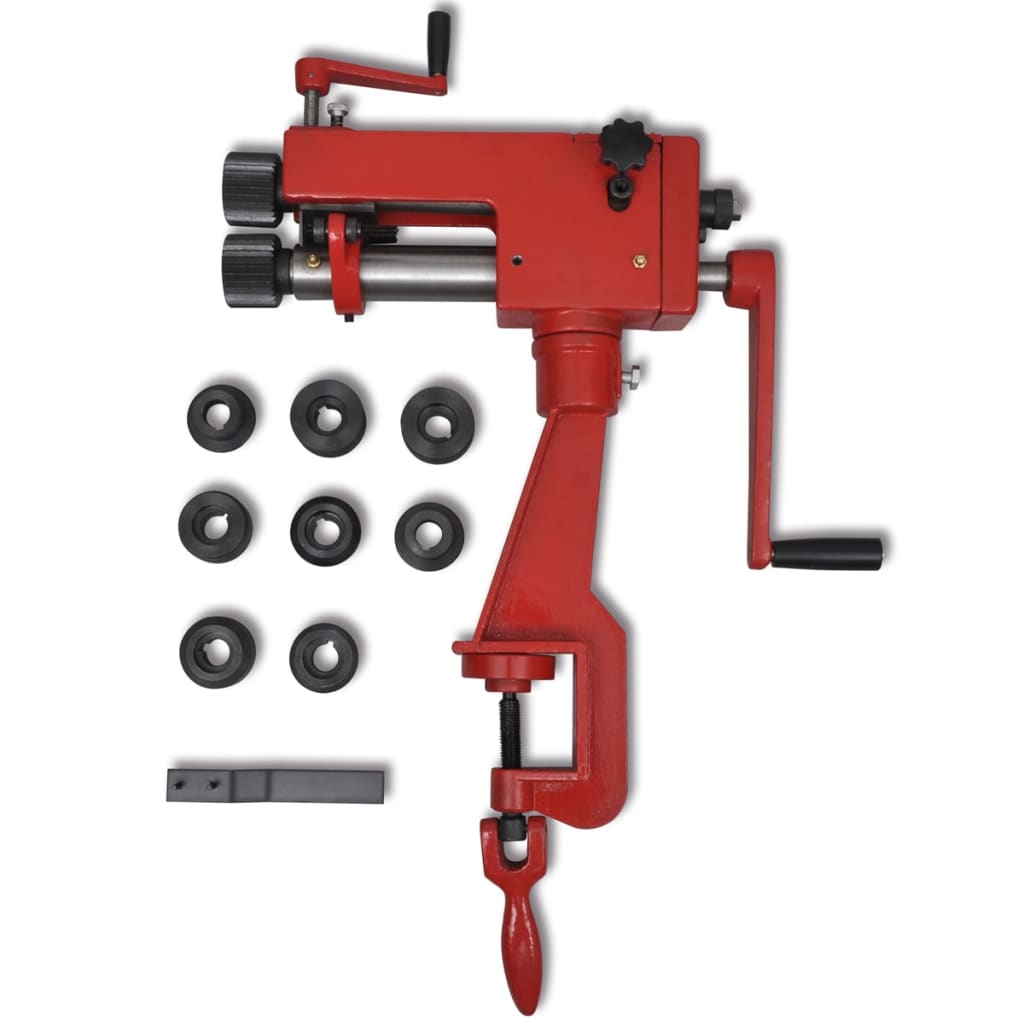
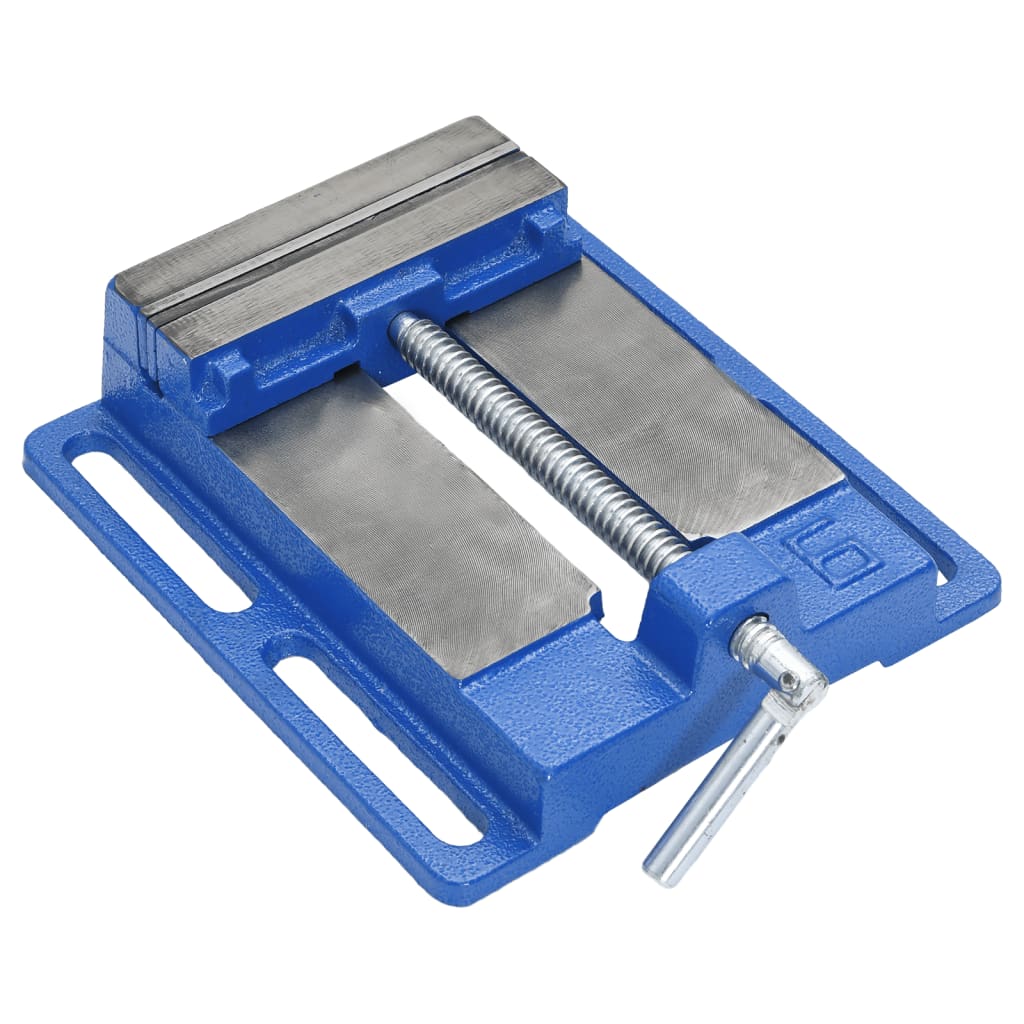
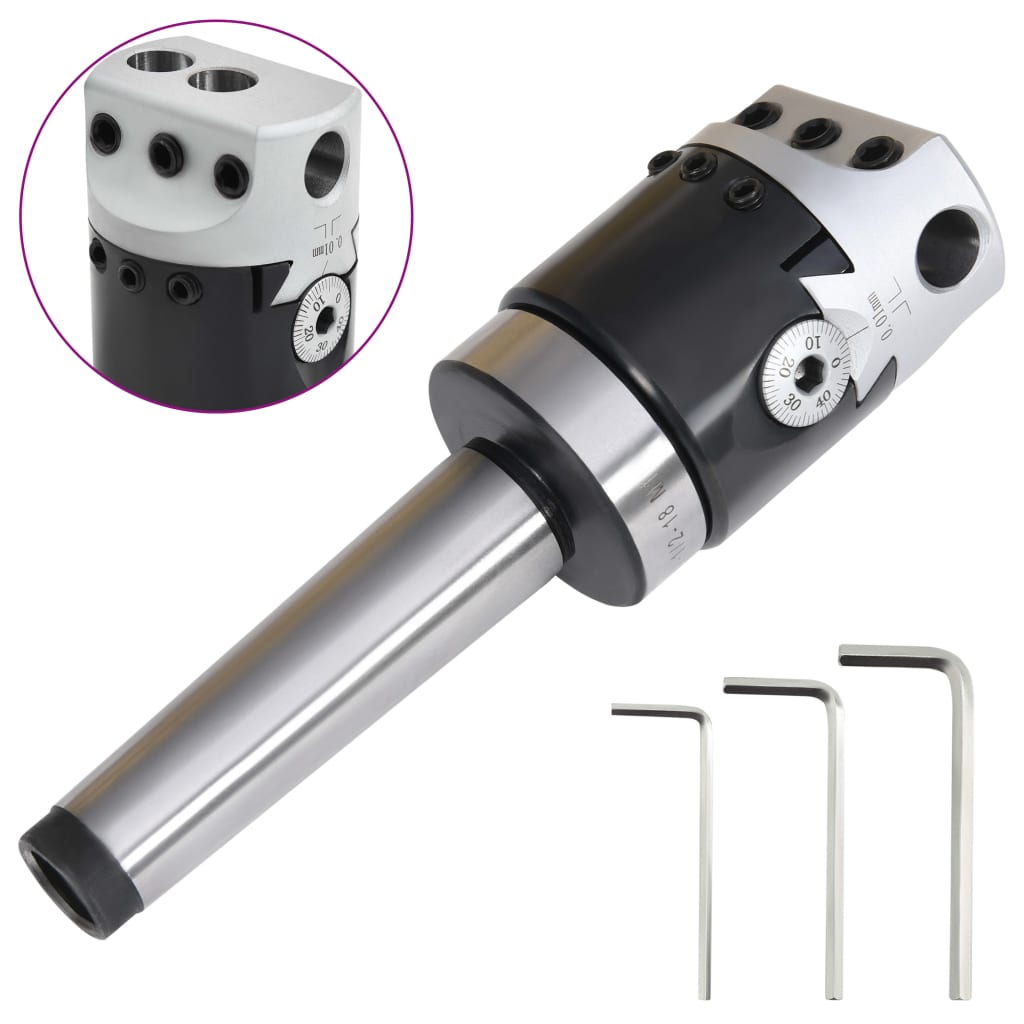
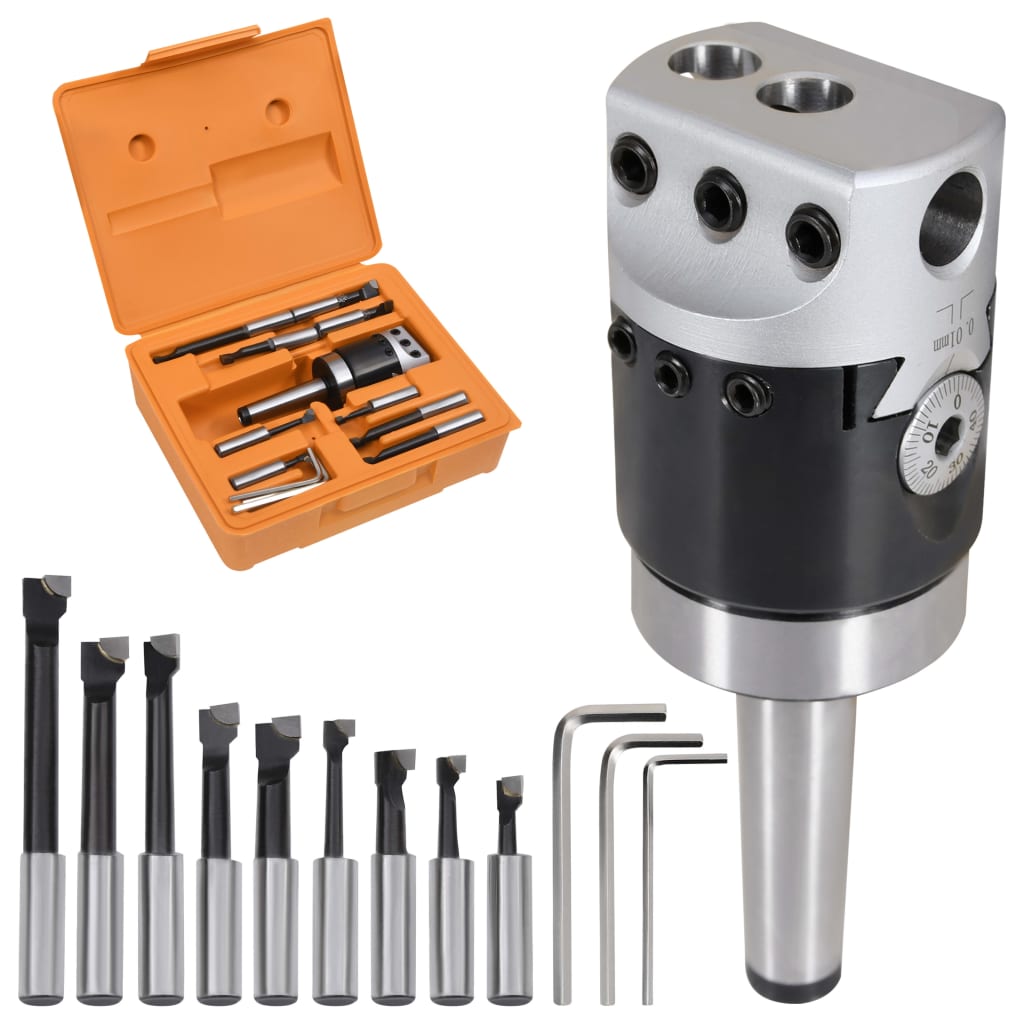
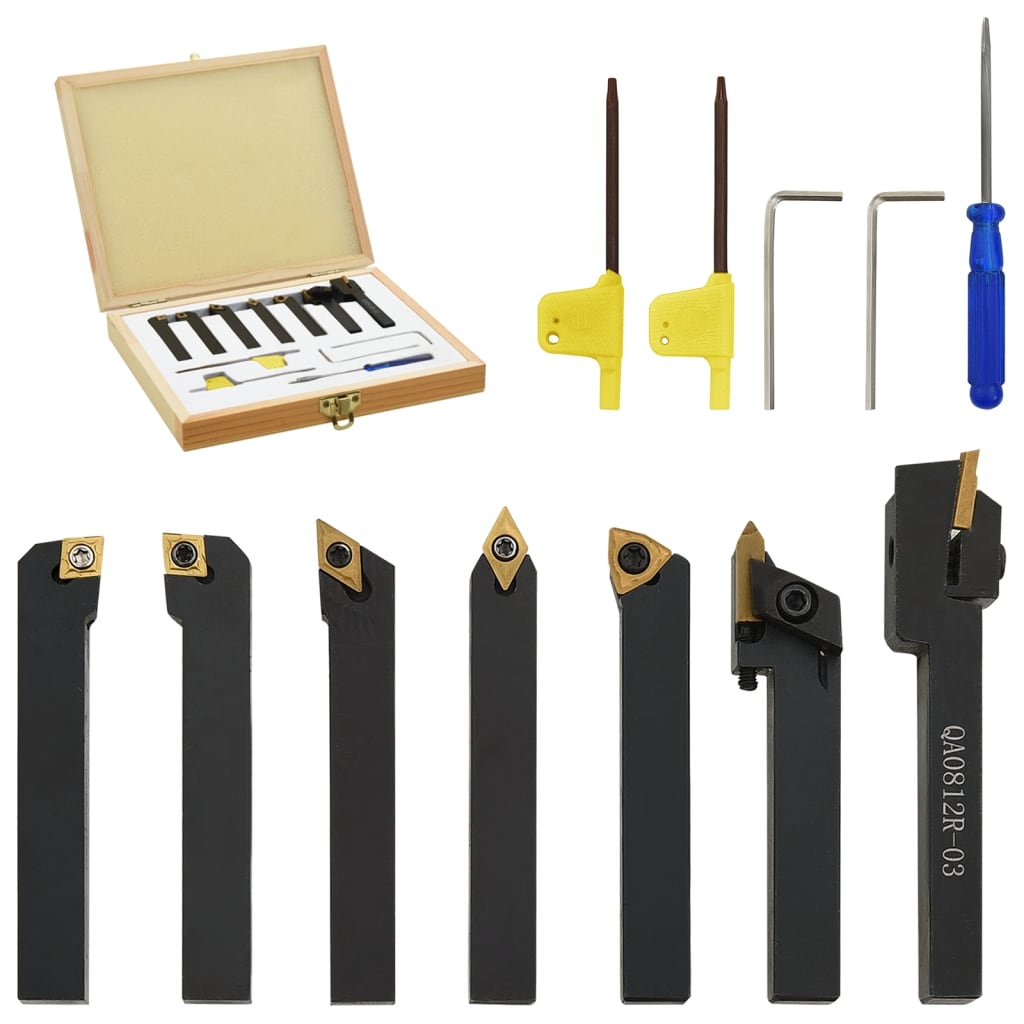
The milling machine itself is only half the story. To unlock its full potential, you’ll need quality accessories, including various end mills, drill bits, clamps and measuring tools. A sturdy workbench that can securely support the machine is also important. Quality vises are essential for safely and accurately securing workpieces. Our range also includes specialist turning tools and other tool accessories to expand what your machine can do.
We understand how important quality tools are to every craftsman. That’s why our range features reliable, durable machines built to serve you for years. We also offer something others can’t:
Yes. Modern software (CAD/CAM) has become very user-friendly, and many entry-level CNC wood milling machine models are designed with beginners in mind. There are also plenty of tutorials available online to help you get started. We recommend starting with simple 2D projects and gradually moving on to more advanced work.
Regular maintenance is essential for the machine’s lifespan and accuracy. This includes cleaning and lubricating the guide rails, removing chips and checking the condition of the bearings. Always refer to the machine’s manual for detailed maintenance instructions.
Getting the right balance between price and quality is important. We aim to offer the best value possible in our online store. Keep an eye on our promotions and special offers. Sometimes, buying a slightly more expensive machine from a well-known manufacturer is the better choice: it will last longer and hold its value better than a very cheap product from an unfamiliar brand.
This is a common question. Simply put, on a lathe the workpiece rotates while the cutting tool remains stationary (this is used to make round parts such as shafts). On a milling machine, the workpiece is secured to the table while the rotating cutting tool moves around it (this is used to make flat surfaces, grooves, gears and more). Both are important machines, but they perform different tasks. You may also need specialist drill presses for drilling precise holes.