For private customers
At checkout, product prices are automatically adjusted according to the VAT rate in your delivery country.

Christmas
Furniture
Home & Garden
Sport
Clothing
Mattresses
Watches
Electronics
Construction
Showing 1 of 1 products with selected filters
1 / 1
No products match your selected filters.
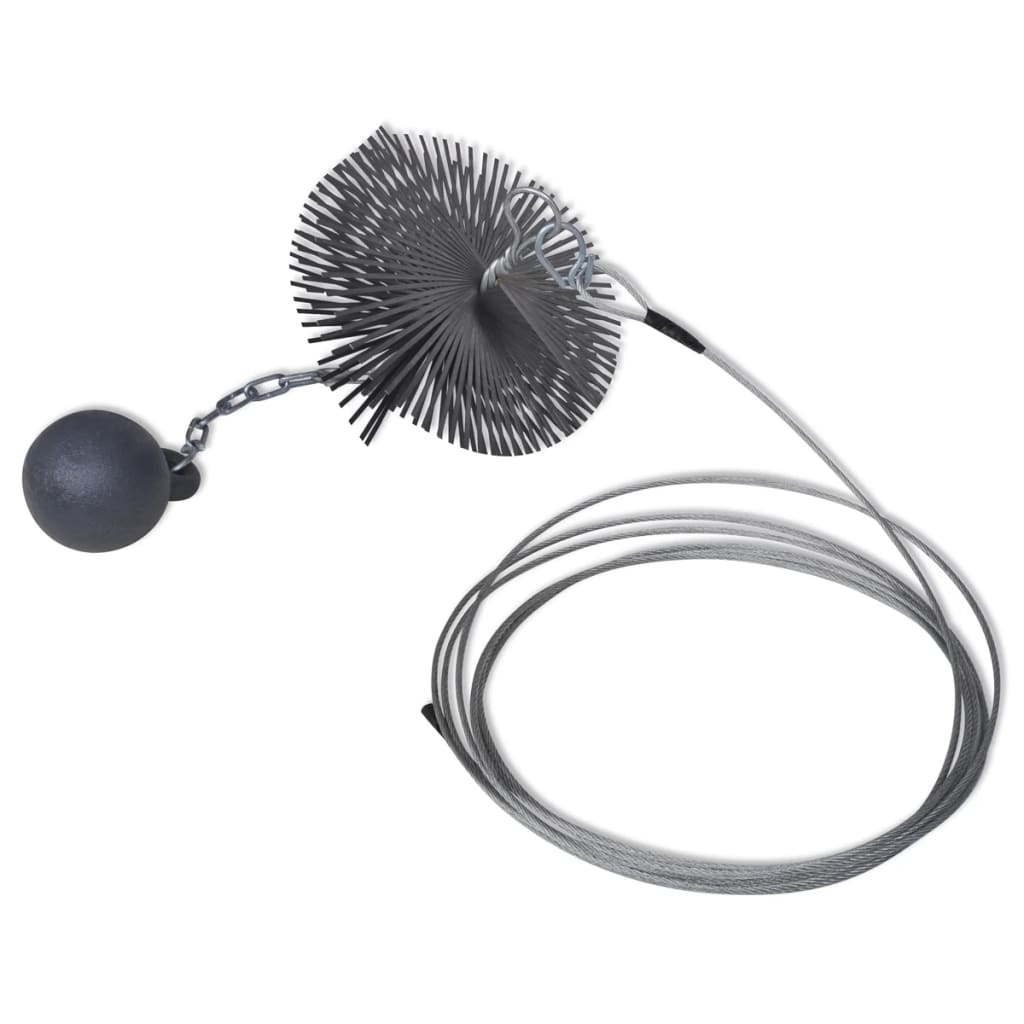
Regular chimney sweeping is not merely a recommendation; it is essential maintenance that keeps your heating system safe and efficient. Soot and tar, or creosote, build up over time and are extremely flammable. A good-quality chimney brush in the correct size is the best way to keep your flues clean, prevent chimney fires, and ensure maximum heating performance and good draught. Here you’ll find a wide range of brushes for all types of fireplaces, stoves, and chimneys.
Choosing the right tool is half the battle. A brush made from the wrong material or in the wrong size may be ineffective or, worse, damage your flue. So, before you buy, it’s important to check a few key details. Our online store makes it easy to order the right product for your needs, with transparent pricing and quality you can trust.
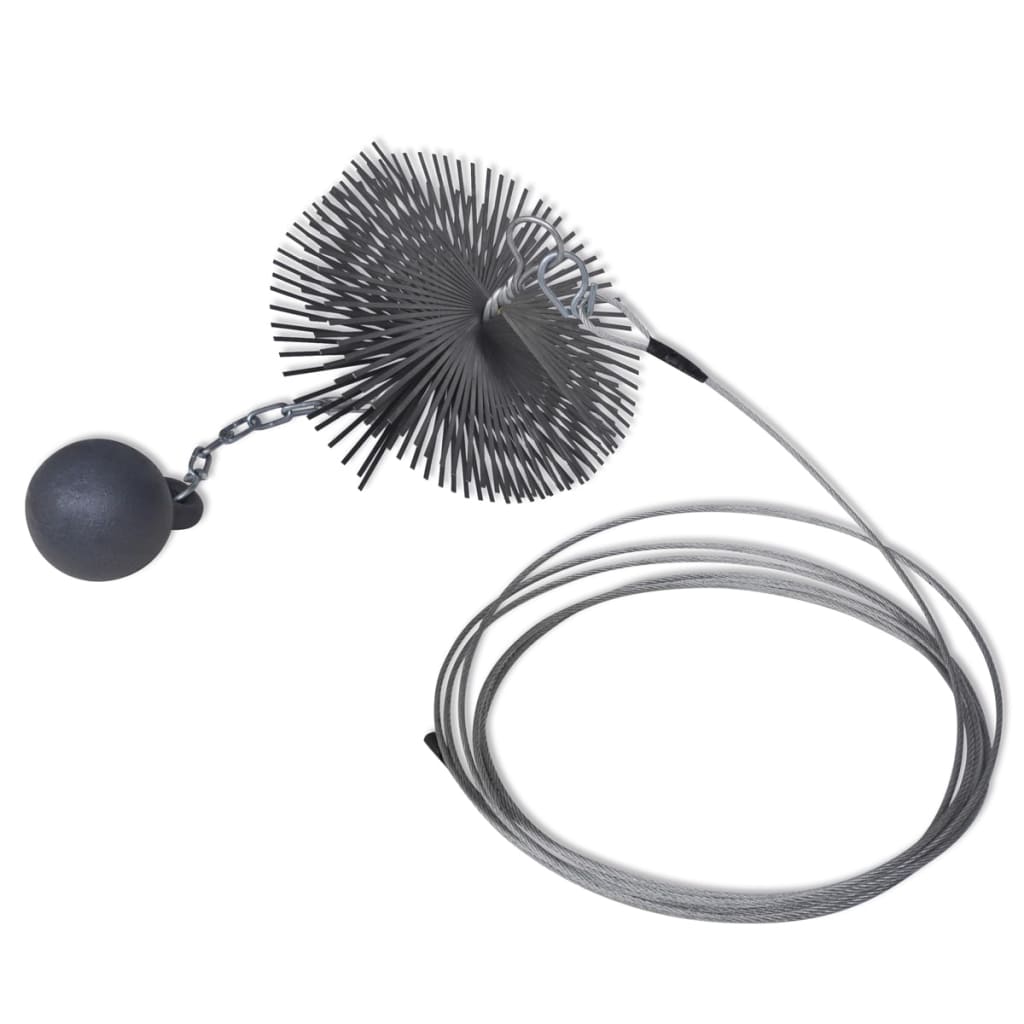
The most important factors are the brush’s diameter and shape. They must match the inside dimensions of your flue. A brush that is too small won’t clean the walls properly, while one that is too large may get stuck or damage the flue. Flues are usually round or square.
The right material depends entirely on your chimney type. Choosing correctly is essential to prevent permanent damage.
A chimney brush is of little use on its own—you’ll need special rods to use it. Most brushes have a standard M12 thread, allowing them to be connected to flexible rods. The rods should be long enough to reach the full length of the chimney. Flexibility is important for navigating slight bends or offsets in the flue. It may be worth buying a complete tool set that includes everything you need.


While many homeowners can clean their own chimneys, safety must always come first. Before climbing onto the roof, make sure you have safe access and a stable position to work from. Quality ladders and scaffolding can help. Cover the fireplace or stove opening to prevent soot from getting indoors. Clean the flue with systematic strokes, pushing and pulling the brush through its full length until it moves freely.
Shopping online makes it especially easy to find the right product. Compare different models from the comfort of home, read the specifications, and choose the chimney brush that suits your needs. When you order from our online store, you can be confident the product is in stock and will reach you quickly. Skip the trip to the shop—the right chimney brush is just a few clicks away, and best of all, we always offer free delivery throughout Estonia.
Here are answers to some common questions about buying and using chimney brushes.
| Question | Answer |
|---|---|
| How often should I clean my chimney? | As a general rule, a chimney in regular use should be cleaned at least once a year. If you heat your home continuously or burn damp wood, you may need to clean it more often, such as twice a year. Follow the law and the terms of your insurance policy. |
| What should I do if I don’t know the exact size of my flue? | The safest option is to check the measurements yourself. You can do this from the roof with a tape measure, or from the fireplace using a flashlight and measuring stick. Estimating the size may lead to buying the wrong brush. |
| What happens if I don’t clean my chimney at all? | An uncleaned chimney is a serious hazard. Built-up soot and tar can catch fire, causing an extremely dangerous chimney fire that may destroy the chimney and the entire building. Draught will also worsen, heating costs will rise, and carbon monoxide may seep into the room. |