





For private customers
At checkout, product prices are automatically adjusted according to the VAT rate in your delivery country.

Christmas
Furniture
Home & Garden
Sport
Clothing
Mattresses
Watches
Electronics
Construction
Showing 5 of 5 products with selected filters
5 / 5



No products match your selected filters.
Choosing the right bathroom sink is one of the key decisions when renovating or furnishing a bathroom. It’s more than just a place to wash your hands—it’s an important feature that brings together the room’s overall style and functionality. The wide range of options, from materials and shapes to installation types, can seem daunting at first. We’re here to make the process simple and help you find the right sink for your needs and aesthetic preferences. If you’re planning to buy a new sink, first consider the size of the room and your existing plumbing.
Installation style is the first major decision, influencing both the look and practicality of your bathroom. Each type has its own benefits and suits different interiors and needs.
The material determines a sink’s durability, maintenance requirements and appearance. While ceramic is a timeless classic, modern materials offer exciting new design possibilities.
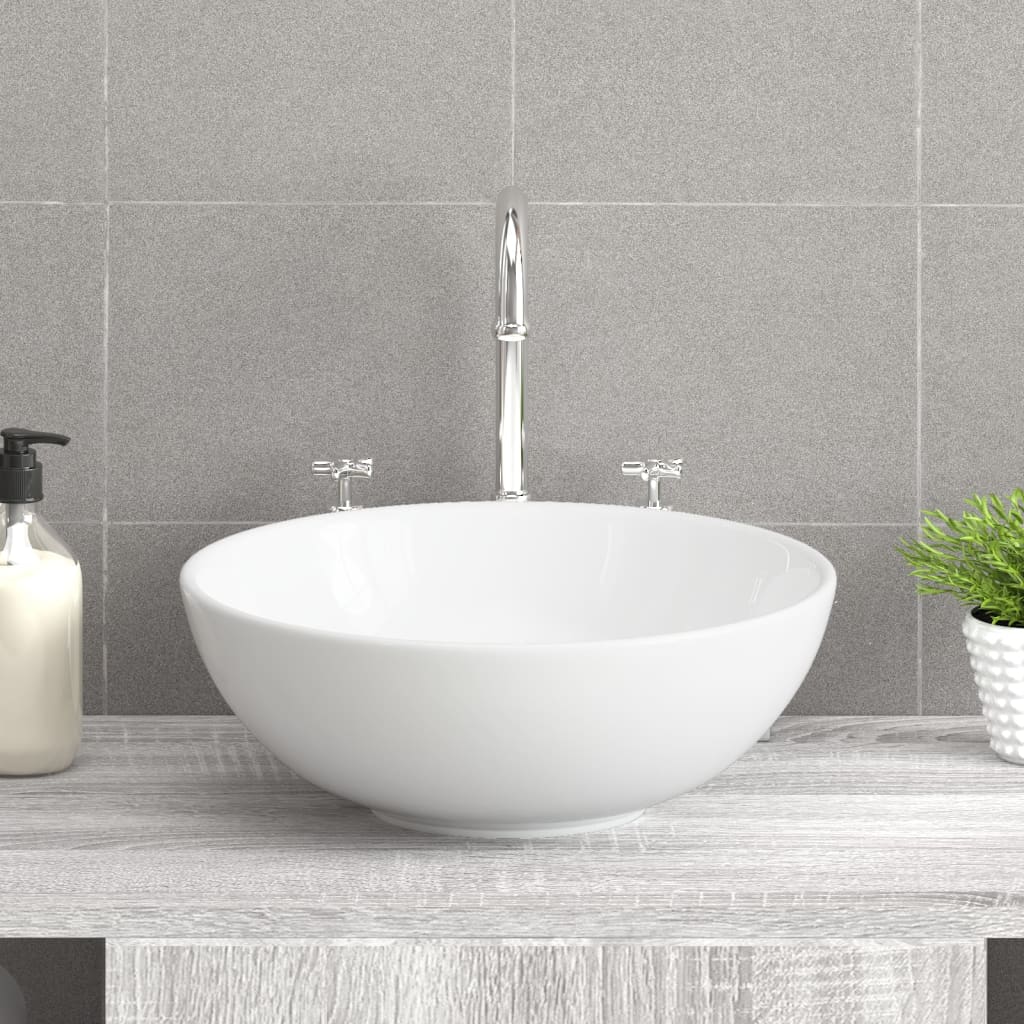
Ceramic is the most common and traditional choice thanks to its excellent value for money. It’s durable, scratch-resistant and easy to clean thanks to its smooth glazed surface. A white ceramic bathroom sink is a timeless choice that suits any interior, while coloured and matt-finish models are becoming increasingly popular.
Stone resin (or composite stone) is a modern alternative made from a blend of minerals and resin. This material allows for precise shapes, thin walls and a range of finishes, such as matt black or grey. Stone-resin sinks feel warm and pleasant to the touch and are highly impact-resistant.

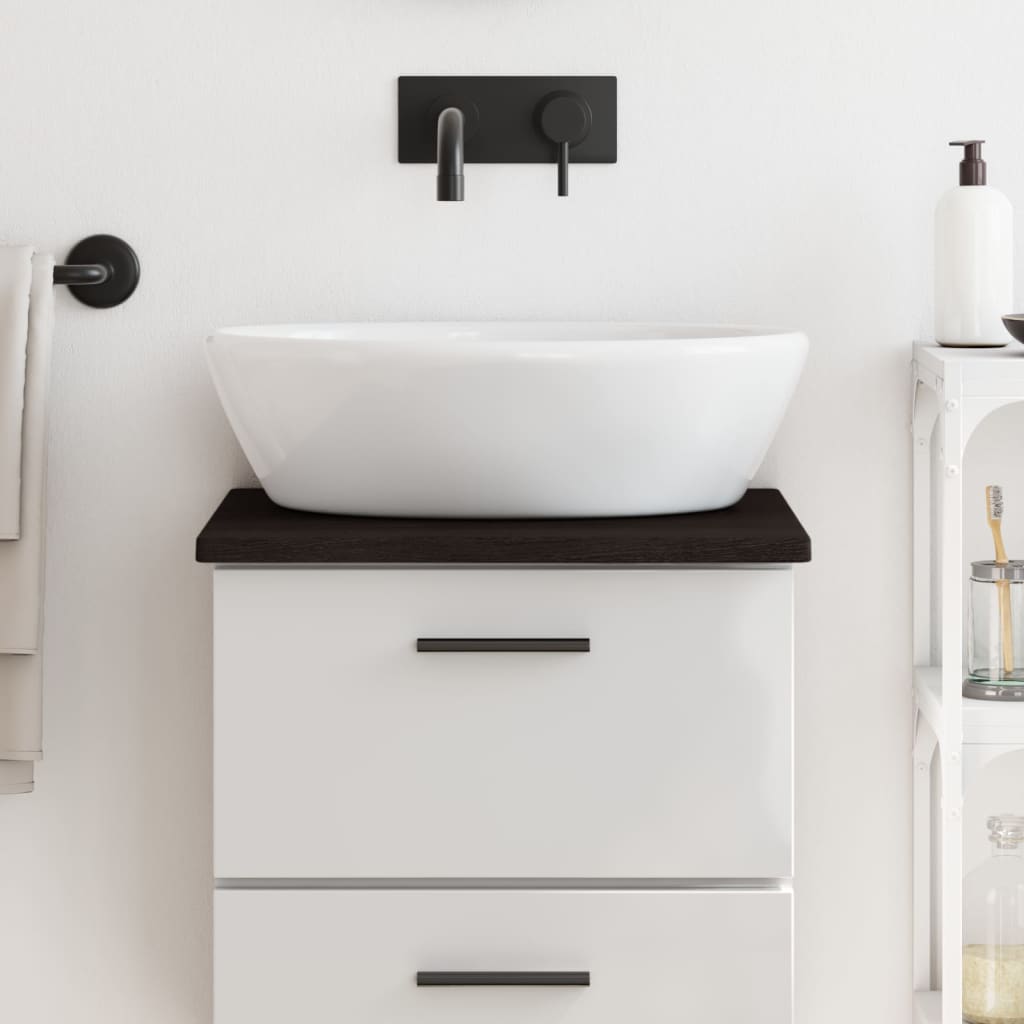
The shape and size of your sink should be in proportion to your bathroom. A larger, more striking sink can work well in a spacious bathroom, while every centimetre counts in a smaller room. Round and oval sinks create a softer, more organic feel, while square and rectangular designs emphasise a modern, minimalist look. When choosing the right size, consider ease of use too—the sink should be deep enough to prevent splashing.
Along with appearance, small but practical details matter too. An overflow opening provides extra peace of mind by helping prevent flooding. The position of the tap hole—or whether there is one at all—determines which types of taps you can use: basin-mounted, wall-mounted or deck-mounted models. Ordering online is often more convenient, as you can compare different models and prices at your own pace. Our online store offers a wide selection, from affordable options to exclusive designer sinks, with transparent pricing on every bathroom sink.
To create a cohesive bathroom, it’s important that the sink harmonises with the other elements. Consider how it will look alongside your chosen toilets and bidets, and which bathroom accessories will complement the overall style. Proper drainage is also essential, so don’t forget quality shower drains and trap systems.
Here are answers to some common questions to help you make the right choice.
| Question | Answer |
|---|---|
| Can I buy the sink and cabinet separately? | Yes, in many cases you can. However, buying a bathroom sink and cabinet as a set ensures they fit together perfectly in both size and style. If you buy them separately, make sure the sink dimensions match the cabinet cut-outs. |
| What do I need to install a sink? | The installation kit depends on the type of sink. You’ll usually need a trap, a waste fitting, a tap and its connecting hoses, as well as sealant such as silicone. Wall-mounted sinks also require special fixing bolts. |
| How do I choose the right sink size? | As a general rule, the sink width should not exceed about 70% of the cabinet or worktop width, leaving enough space on either side. For a smaller bathroom (under 4 m²), choose a sink that’s 40-50 cm wide. In larger rooms, you can opt for models that are 60 cm wide or more. |