





For private customers
At checkout, product prices are automatically adjusted according to the VAT rate in your delivery country.

Christmas
Furniture
Home & Garden
Sport
Clothing
Mattresses
Watches
Electronics
Construction
Showing 23 of 23 products with selected filters
23 / 23


No products match your selected filters.
Forget old-fashioned, bulky shower trays. Today’s bathrooms focus on open spaces, clean lines and functionality, and a quality shower drain is essential to achieving this look. It’s no longer just a technical detail for draining water, but an important design feature that shapes the character of the room. The right floor shower drain creates a seamless, step-free transition between the shower area and the rest of the bathroom, making the space look larger and more accessible. Our online store has a solution for every taste and technical requirement, whether you’re looking for an affordable shower drain or investing in an exclusive design.
Choosing the perfect shower drain may seem complicated, but knowing a few basic principles makes it much easier. Your choice depends on the size of your bathroom, your design preferences, installation options and budget. Below, we outline the main criteria to help you find the right model.
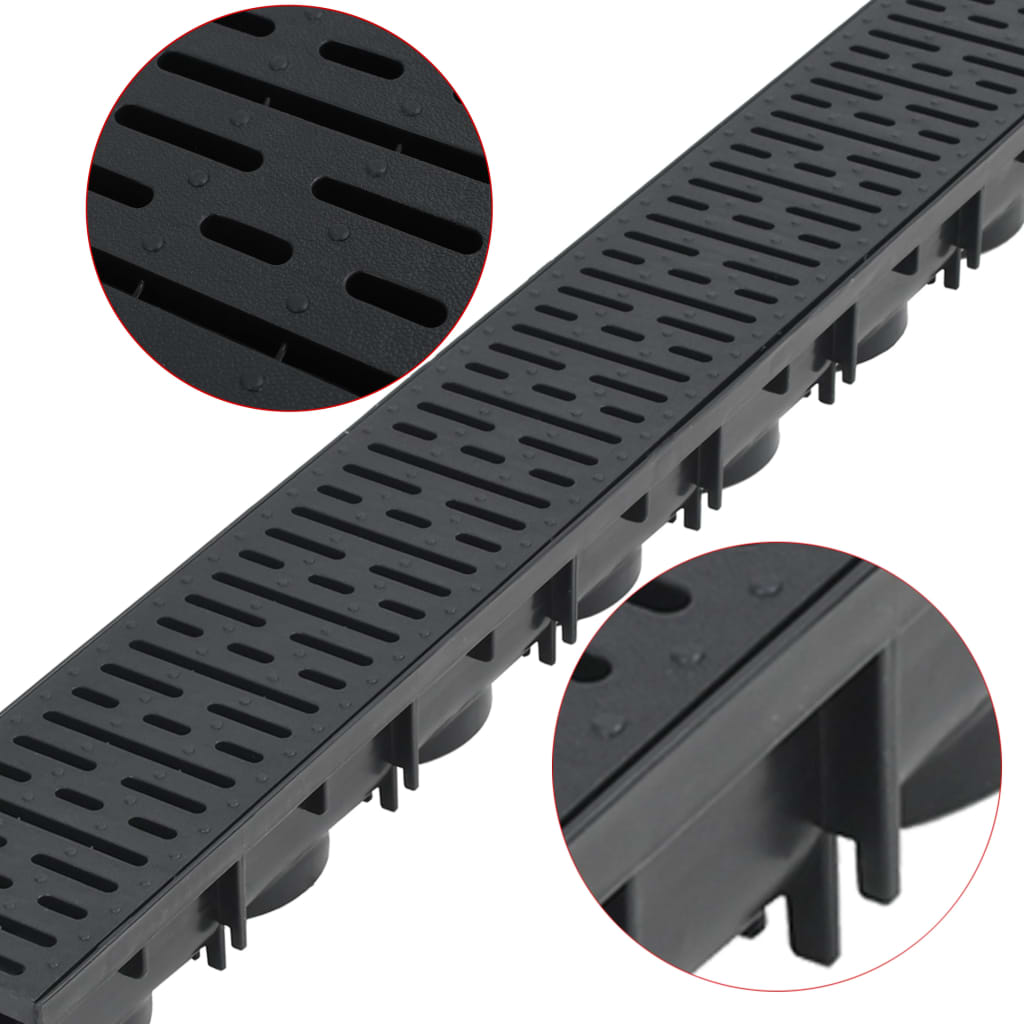
The choice between a linear drain and a point drain is mainly aesthetic, but it also affects installation. A linear shower drain is synonymous with a modern bathroom. This long, narrow drain is usually installed along the wall or at the edge of the shower area, so the floor only needs to slope in one direction. This makes tiling much easier, especially when using large-format floor tiles. Linear models offer excellent drainage and a minimalist look.
A point drain (square or round) is a classic, time-tested solution. It’s usually installed in the centre of the shower area and requires the floor to slope from four directions towards the drain (a so-called envelope slope). It’s often a more affordable, compact option that works well in smaller showers or renovation projects where changes to the floor structure are limited.
The material affects a shower drain’s durability, hygiene and appearance. The most common and highly valued option is a stainless steel shower drain. Grade 304 stainless steel is typically used because it resists corrosion, is highly durable and easy to clean. It’s ideal for damp environments and retains its pristine appearance for years. Stainless steel models cost more, but they’re an investment in quality and longevity.
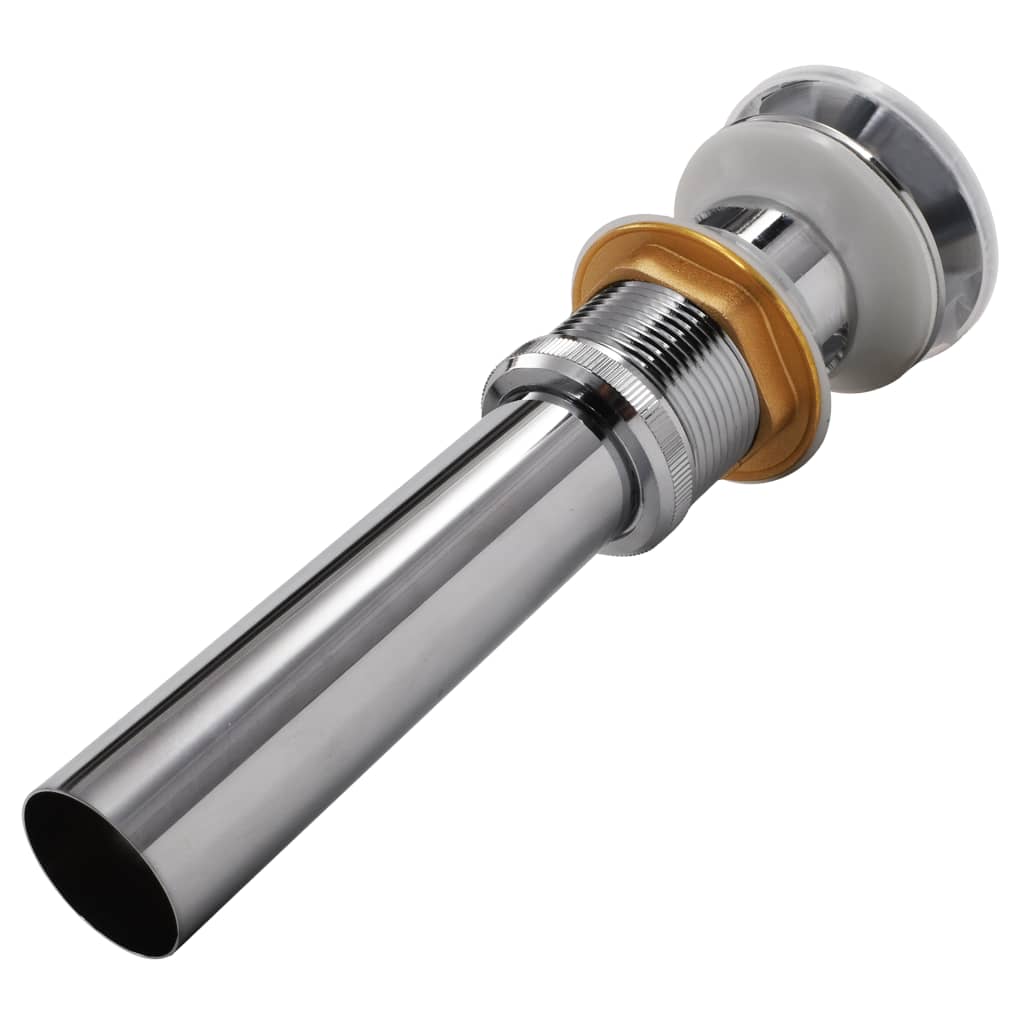
A plastic shower drain is a more affordable alternative. Modern drains made from high-quality plastic (such as ABS) are also durable and chemically stable. Their main benefits are lower weight and price. The drain body and trap are often made of plastic, while the visible grate may be metal. It’s a practical choice if you’re on a budget.
The shower drain’s size and flow rate (measured in litres per minute) must match your shower mixer’s output. This is especially important with powerful rainfall showerheads. A flow rate of 30-40 l/min is generally sufficient for most households. Before buying, make sure the shower drain’s specifications meet your needs. A drain with too low a flow rate can cause water to pool and overflow. For linear drains, length matters too: the drain should be slightly shorter than the width of the shower area to ensure correct installation.
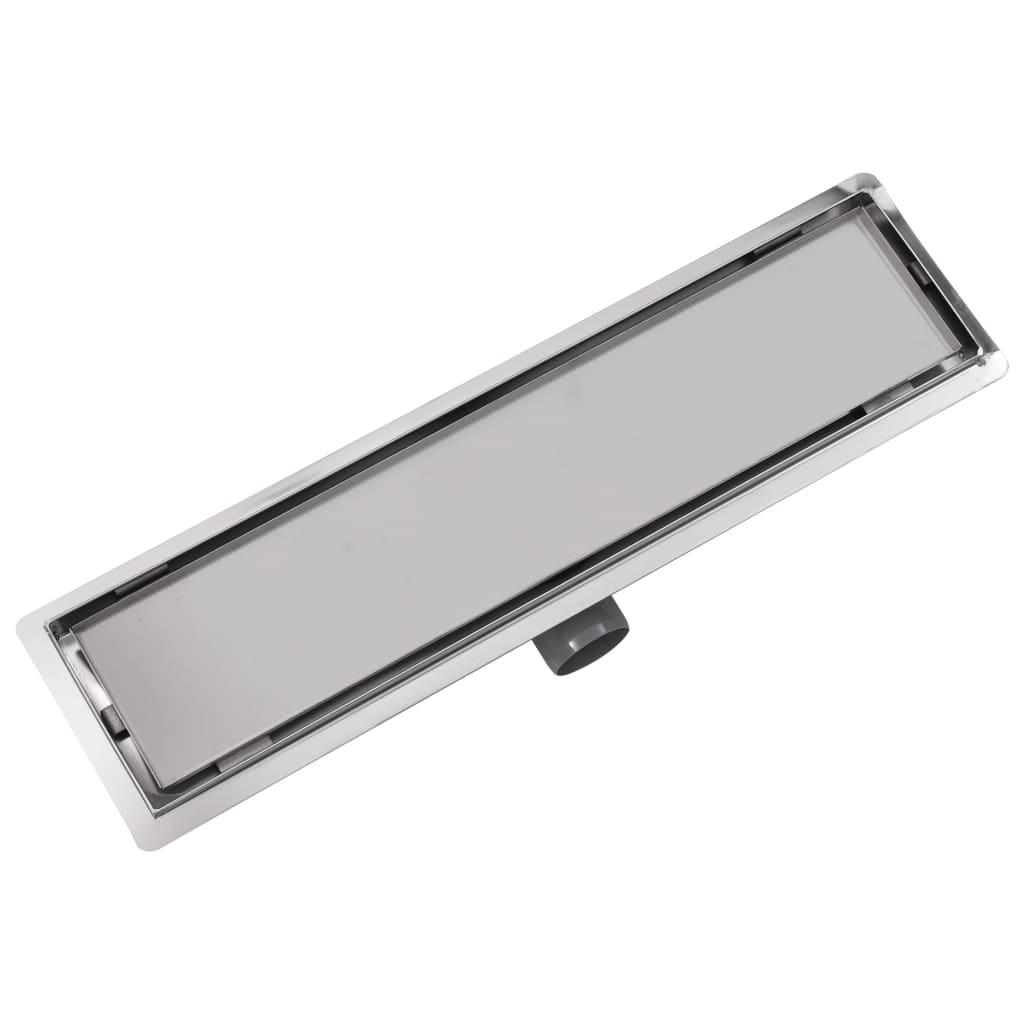


The grate is the visible part of the shower drain and plays a big role in its overall look. Classic grates are usually made of stainless steel and come in a variety of patterns, including stripes, holes and waves. They’re practical and easy to remove for cleaning.
Tile-in shower drains, also known as “two-in-one” drains, are becoming increasingly popular. Their grate has a recess for fitting the same floor tile used elsewhere in the bathroom. The result is an almost invisible drain, marked only by a narrow gap around the edge of the grate. It’s an ideal choice if you value a minimalist look and want a completely seamless floor. Shopping online makes it easy to compare designs and find the right one for your interior.
Correct installation is key to ensuring your shower drain works reliably for years to come. Even the best shower drain can cause leaks and unpleasant smells if installed incorrectly. While more complex plumbing work is best left to a professional, it’s important to know the basics.
The most critical step is applying high-quality waterproofing. Most modern shower drains come with a special flange or collar to which a waterproof fabric or membrane is attached. It must be carefully joined to the waterproofing layer across the rest of the floor to create a completely watertight “tray”. Make sure you use high-quality insulation and follow the manufacturer’s instructions. Any oversight at this stage could lead to costly repairs later.
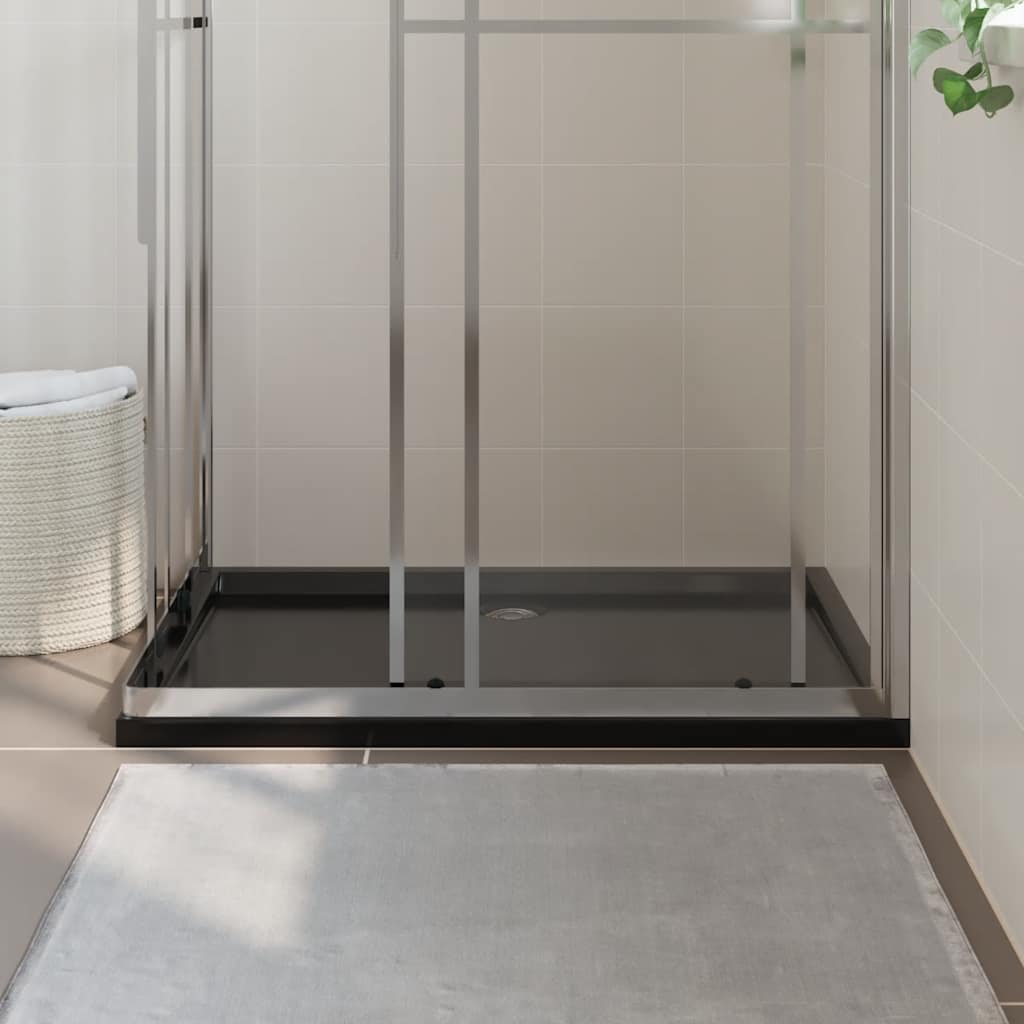
It’s also important to consider the shower area as a whole. Stylish shower screens and enclosures help prevent splashes, while coordinating them with other bathroom accessories creates a harmonious, functional space. If you prefer a more traditional option, modern low-profile shower trays are an elegant, practical alternative.
How often you need to clean it depends on how frequently it’s used. We recommend cleaning the top of the grate regularly along with the rest of the bathroom. Clean the water trap and hair catcher at least once a month to prevent blockages and ensure good drainage.
A dry trap is a mechanism (usually a valve system) that prevents sewer odours from entering the room even if the water in the trap has evaporated. It’s especially useful in bathrooms with underfloor heating or in showers that are used infrequently, where water can evaporate from the trap quickly.
Yes, it’s usually possible, but it requires careful planning. The main challenge is ensuring there’s enough depth in the floor for the drain body, trap and piping. Low-profile linear shower drains are specially designed for renovation projects where every centimetre counts.