









For private customers
At checkout, product prices are automatically adjusted according to the VAT rate in your delivery country.

Christmas
Decor
Furniture
Home & Garden
Sport
Clothing
Mattresses
Watches
Electronics
Construction
Showing 3 of 3 products with selected filters
3 / 3
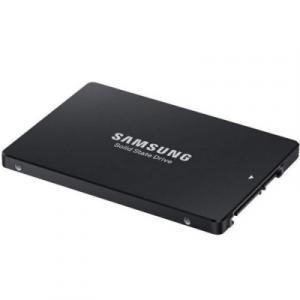
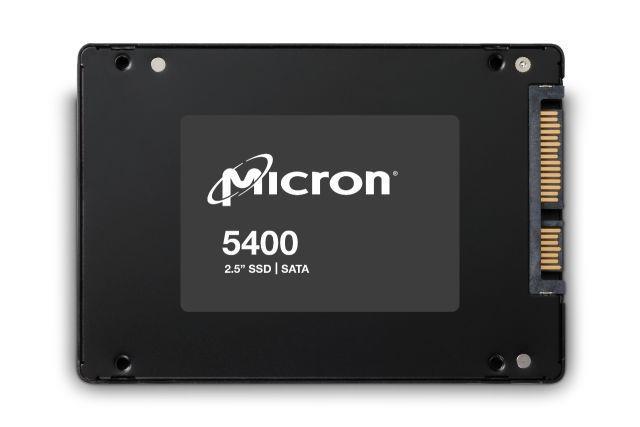
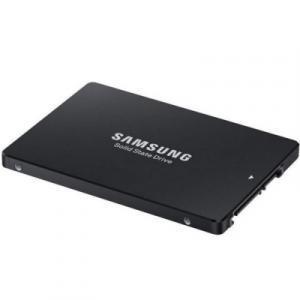
No products match your selected filters.
In today’s digital business environment, where data availability and speed are essential to success, not all drives are created equal. Enterprise SATA SSDs are designed specifically for the demanding conditions of servers and data centers, delivering significantly greater endurance, more consistent performance and advanced data protection than consumer SSDs. If your systems must run around the clock and every minute of downtime means a real loss, a professional server SSD is the only logical choice.
Choosing the right drive is an investment in the stability of your business. This is no place for compromise. Here are the key factors to consider when planning to buy a new enterprise-class drive.
Capacity depends directly on your needs. Smaller drives, such as 240 GB or 480 GB models, are ideal for operating systems and core applications (boot drives), ensuring fast startup. Higher-capacity drives—from 1.92 TB to 7.68 TB and beyond—are designed for large databases, virtualization environments and file servers. It’s always wise to plan for future growth and choose a little more capacity than you currently need.
This is the most critical specification for enterprise drives. Endurance is measured primarily in two ways: DWPD (Drive Writes Per Day) and TBW (Terabytes Written). DWPD indicates how many times you can write the drive’s full capacity each day during the warranty period (usually 5 years). TBW indicates the total amount of data that can be written to the drive during the warranty period. The right choice depends on the workload:
Unlike consumer SSDs, which are marketed mainly on sequential read and write speeds, server applications depend more on IOPS (Input/Output Operations Per Second) and low latency. High random read/write IOPS enable a server to handle thousands of simultaneous requests—for example, in a virtualization environment or active database. Low, consistent latency means every request gets a response without delay, which is critical for real-time applications.
Enterprise SSDs come with technologies not found in standard drives. The most important is power-loss protection (PLP). If power is unexpectedly lost, it ensures that all data in the cache is safely written to NAND, preventing data loss and corruption. These drives also provide end-to-end data path protection, which checks data integrity from the host system all the way to NAND.
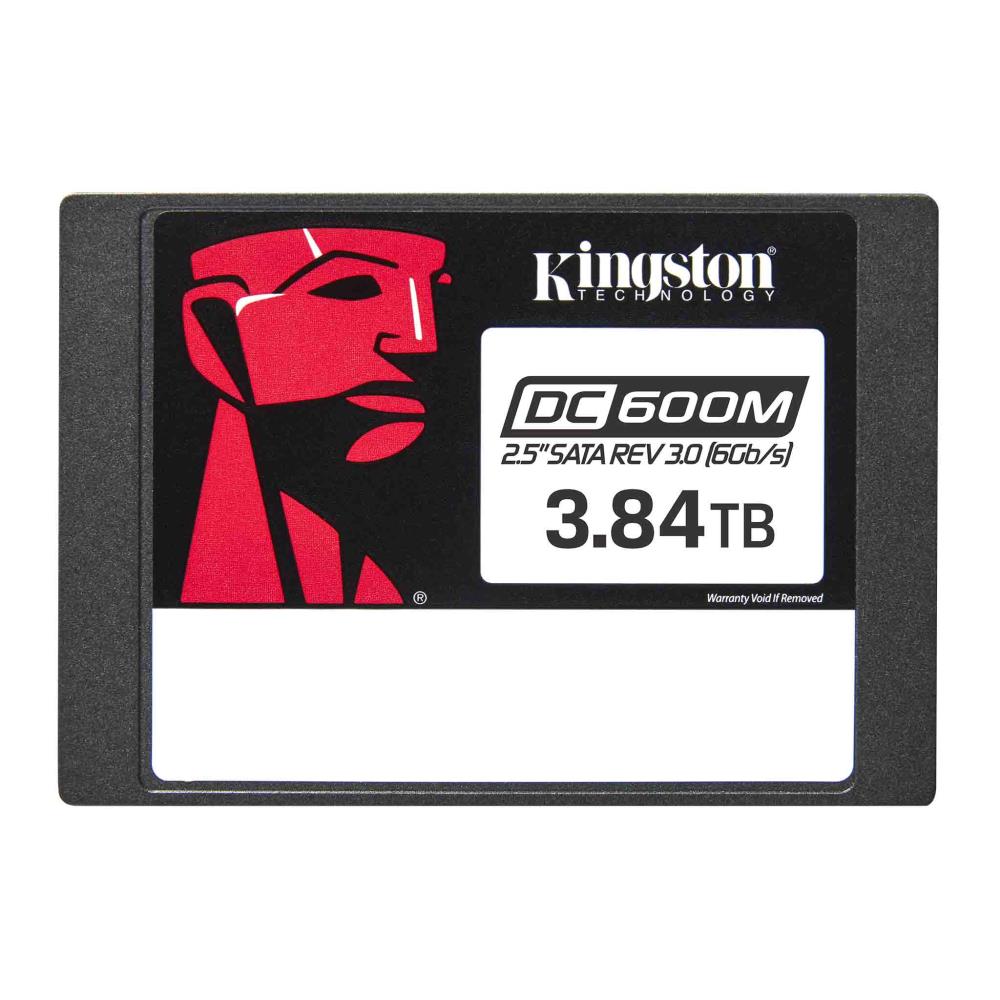

We offer solutions only from industry-leading manufacturers whose products have proven themselves over the years in the most demanding environments. The price of every enterprise SSD in our store reflects its quality and reliability.
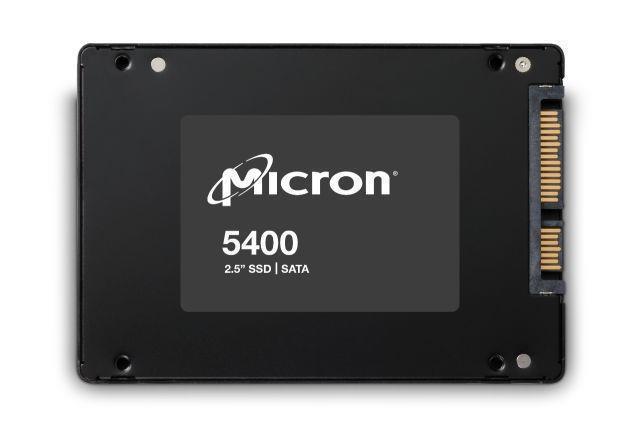
Micron is known for its in-depth NAND technology expertise. Its 5400 series (including PRO and MAX) offers a wide range of models optimized for different workloads, making it an excellent choice for both entry-level servers and large data centers seeking the best value for money.
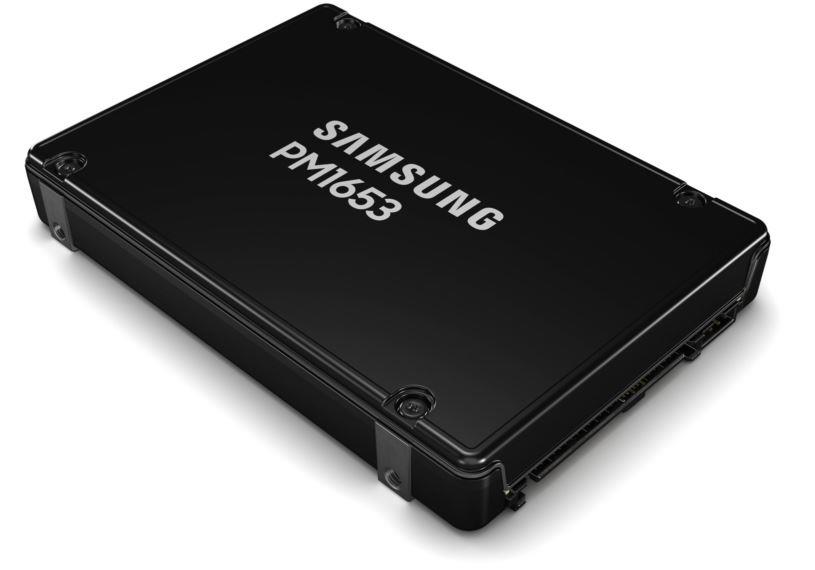
Samsung’s PM series (including PM893 and PM897) often tops performance benchmarks, delivering exceptionally high IOPS and low latency. These Samsung server SSDs are a preferred choice for high-load databases and virtualization platforms, where every microsecond counts.
Kingston’s Data Center (DC) series, such as the SEDC600M, is designed to deliver stable, predictable performance at an affordable price. It’s an excellent choice for businesses looking to replace older HDD Enterprise SAS drives and switch to SSD technology without breaking the bank.
A professional server SSD is an essential component in many systems. Ordering from an online store gives you time to compare specifications at your leisure, without the pressure of a showroom visit. In our online store, every drive’s price is clearly displayed, making it easy to plan your budget, whether you’re replacing a single drive or upgrading an entire server fleet. We ensure your order is delivered safely and quickly in Estonia.
| Use case | Why choose an Enterprise SSD? | Recommended type |
|---|---|---|
| Virtualization servers (VMware, Hyper-V) | High random read/write IOPS supports multiple virtual machines at once. | Mixed-use |
| Databases (SQL, NoSQL) | Low latency speeds up queries and transactions. PLP protects data. | Mixed-use or Write-intensive |
| Web hosting and CDN | Fast read performance ensures websites and content load quickly. | Read-intensive |
| RAID arrays | Stable, predictable performance ensures array integrity and speed. | Depends on the workload |
When building a complete solution, don’t forget other essential server components. Sufficient server memory and a quality power supply are just as important as a fast storage drive.
We strongly advise against it. Standard SSDs lack power-loss protection, have significantly lower endurance and use firmware that is not optimized for 24/7 operation. This creates a serious risk of data loss and system instability.
The main difference is endurance (DWPD). A read-intensive drive is more affordable but supports fewer write cycles, making it suitable for read-heavy workloads. A mixed-use drive is more versatile and can handle regular, active data writing and rewriting, as is typical for most server applications.
Yes, the 2.5-inch form factor and SATA interface are universal standards compatible with most modern rack and tower servers. However, it’s always a good idea to check that you have the right drive trays (caddies) for your server model.
Enterprise SSDs usually come with a 5-year warranty, which is also subject to a TBW (Terabytes Written) limit. This means the warranty lasts until 5 years have passed or the TBW limit has been reached, whichever comes first. This ensures the drive is used within its specified workload limits.