





For private customers
At checkout, product prices are automatically adjusted according to the VAT rate in your delivery country.

Christmas
Furniture
Home & Garden
Sport
Clothing
Mattresses
Watches
Electronics
Construction
Showing 7 of 7 products with selected filters
7 / 7




No products match your selected filters.
Hardware is the heart of a data centre or server room, but cabling is undoubtedly its circulatory system. Every server cable is a critical component that affects data transfer speed, stability and the reliability of the entire system. The wrong cable, or one of poor quality, can lead to data loss, system instability or even hardware damage. That’s why choosing the right cable is an investment, not an expense. In our online store, you can find and buy a server cable that meets even the most demanding standards.
Cables used in servers fall into three main categories: data cables, power cables and specialised connection cables. Each type has a specific role and features to consider. Whether you need to connect a new storage device or supply power to an entire rack, choosing the right cable is essential.
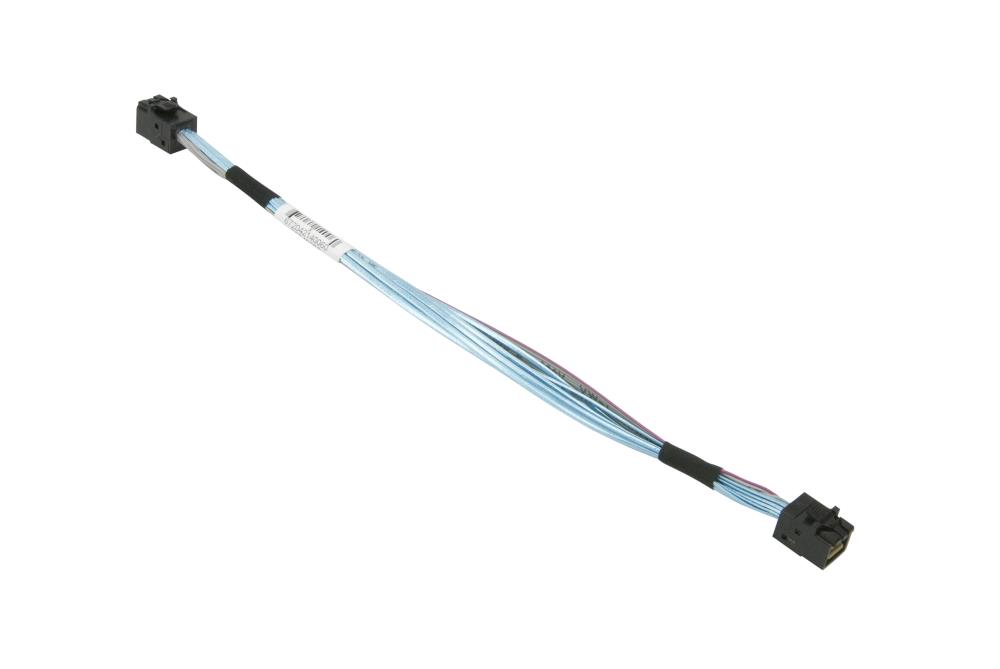
The most common data cables in servers are SAS (Serial Attached SCSI) and SATA (Serial ATA). Although both are designed to connect hard drives and SSDs to server drive controllers, they have important differences. SAS is designed for high-performance, reliable enterprise environments, offering better error correction and dual-port functionality. SATA, on the other hand, is more affordable and commonly used in less critical applications. The right choice depends on your system requirements and budget. Our range includes both types of cables, including specialised models such as Mini-SAS HD.
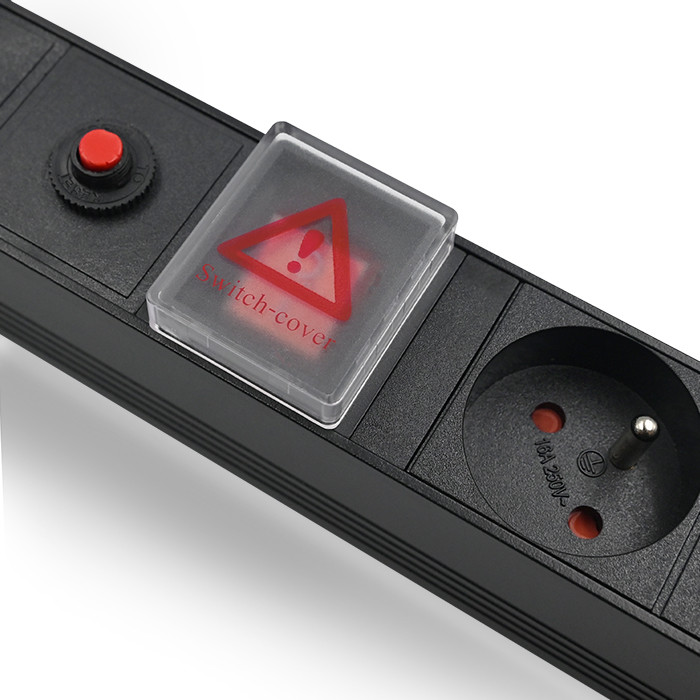
A server power cable is more than just a cord that plugs into the wall. These cables are designed to handle heavy loads and deliver stable power, which is vital for the lifespan and reliability of server components. Choose a cable with the right connector type (e.g. C13, C14, C19) and a sufficient wire gauge to match your server power supply (PSU) and the power available from the source, such as a PDU. A poor-quality power cable is a serious safety hazard.

Before you order a server cable, consider a few technical details to make sure it’s compatible. This quick overview can help you avoid common mistakes and ensure your investment is reliable in the long run. If you’re looking for a quality server cable in Tallinn, you’ll find it quickly in our warehouse.
Most importantly, make sure the cable connectors match your devices. Check the ports on the controller, hard drive, backplane and power supply. Common connector types include SFF-8643, SFF-8087, standard SATA and various power connectors. Never try to force a cable into place—this almost always means it’s incompatible. The product description specifies which devices the cable works with.
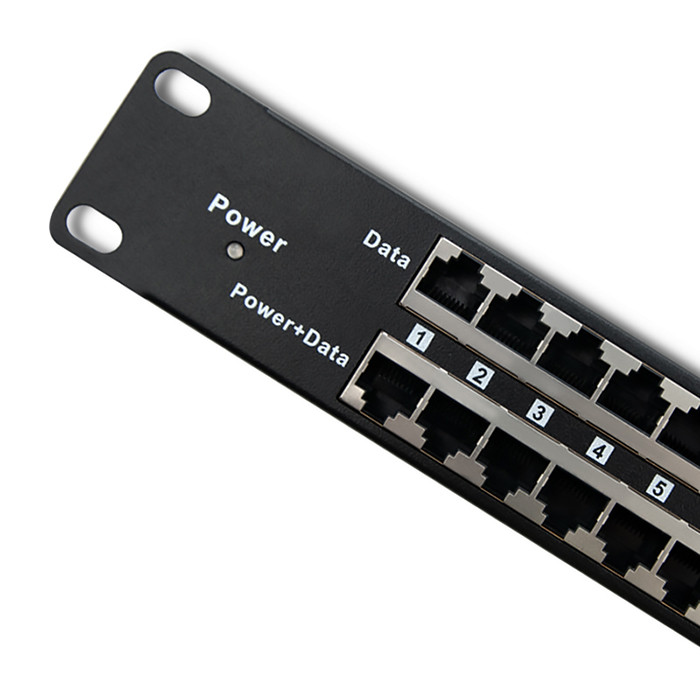
Measure the distance between components and choose a cable of the appropriate length. A cable that’s too short is useless, but an overly long cable creates clutter and obstructs airflow, making it difficult to keep your rack cabinet tidy. Cable flexibility also matters, especially in tightly packed 1U or 2U servers where space is limited. You may also need to connect network devices through patch panels, which also requires careful length planning.
In a server environment, a reliable brand matters. Manufacturers such as Supermicro, Dell and HP rigorously test their cables to ensure full compatibility and maximum performance with their hardware. While cheaper alternatives are available, they can increase the risk of data transmission errors or even component damage. Our server cable range focuses on high-quality, certified products because we understand what’s at stake.
Choosing the right server cable and buying online is convenient: you can take your time comparing specifications and prices across different models. Our specialists have curated a selection of solutions for everything from home servers to large data centres. Transparent server cable pricing and stock information help you make an informed decision. We always offer free delivery across Estonia, so you can get the component you need quickly, with no extra costs.
We understand that IT infrastructure leaves no room for compromise. That’s why we’ve selected our server cables with professionals’ needs in mind.
What’s the main difference between SAS and SATA cables?
The main difference is performance and reliability. SAS is designed for enterprise systems that run 24/7, offering faster data transfer and better error-correction mechanisms. SATA is more affordable and works well for less critical applications and desktop computers.
Can I use a regular computer power cable for a server?
We strongly advise against it. Servers draw significantly more power than regular computers. Server power cables are made with thicker conductors and higher-quality connectors to handle sustained heavy loads and prevent overheating.
How do I know what cable length to choose?
The best approach is to measure the distance between the ports on the devices you’re connecting, then add a little extra (ca. 10-15 cm) for easy installation and cable management. Avoid cables that are too long, as they can obstruct airflow and make it difficult to keep the inside of the server rack tidy.
Do you also have cables for HP, Dell or other brand servers?
Yes, many of our cables, especially standardised types such as SAS and SATA, are universal and work with servers from different manufacturers. However, some brands use specialised connectors, particularly between the power supply and motherboard. Always check product compatibility or consult one of our specialists.