Turn sunlight into usable electricity with our wide range of inverters. Find the right solar power inverter for your needs, whether you want to reduce energy bills, become completely independent of the grid or set up a small system at your summer cottage. We offer powerful hybrid inverters and compact microinverters from trusted manufacturers.
Solar Inverter: The Brain and Heart of Your System
A solar inverter, also known as a solar power converter, is a central component of any photovoltaic (PV) system. Without one, the solar panels on your roof are just attractive glass panels. The inverter converts the direct current (DC) generated by the panels into alternating current (AC), which your household appliances, lights and other devices can use. It makes solar energy ready for everyday use and is key to achieving energy independence.
Choosing the right unit is crucial, as the inverter’s quality and features determine the efficiency, reliability and lifespan of the entire system. Our online store offers a wide selection to meet every need—from simple solutions to complex systems that can store energy and even sell surplus power back to the grid. If you’re planning to buy a solar inverter, you’re in the right place to find the best solution at a competitive price.
How to Choose the Right Solar Inverter: A Guide for Beginners and Professionals
Choosing an inverter may seem complicated, but it really comes down to a few key questions about your needs and expectations. Do you want to be completely independent of the grid, or simply reduce your monthly electricity bills? Let’s look at the main types and specifications so you can make an informed decision.
Inverter Types: Hybrid, Grid-Tied or Microinverter?
The first and most important decision is which type of inverter to choose. Each has its own advantages and ideal uses.
Hybrid Inverter: This is the most versatile and future-proof option. A hybrid inverter can operate both when connected to the grid and completely independently (off-grid). Its main advantage is the ability to send surplus energy to a battery for storage. This means you can use the energy generated during the day at night or during power outages. Many modern hybrid systems also support electric vehicle charging, making them an ideal choice for a modern home.
Grid-Tied Inverter (On-Grid/String Inverter): The most common and affordable type, designed to operate in parallel with the public electricity grid. It converts solar energy and sends it directly to your household. If you generate more electricity than you use, the surplus is sold back to the grid. The downside is that your system also shuts down during a power outage for safety reasons.
Microinverter: Unlike the centralised units described above, a microinverter is installed behind each solar panel individually. This is an excellent option for complex roof layouts or partial shading (e.g. from trees or a chimney). If one panel is shaded, it won’t affect the others. Although the upfront cost of microinverters may be higher, they deliver maximum output and make the system modular.
Expert advice: If you’re choosing between a hybrid and a grid-tied inverter, think about the future. Even if you don’t plan to buy batteries right away, a hybrid inverter gives you the option to add them later without replacing the system. It’s a small additional investment that gives you flexibility for years to come. Many people choose to order a hybrid inverter so they’re prepared for future fluctuations in energy prices.
Choosing the Right Power Rating (kW and kVA): How Much Do You Really Need?
The inverter’s power rating, measured in kilowatts (kW), should match the total output of your solar panels and your household’s energy consumption. As a rule of thumb, the inverter’s rated power should be close to the panels’ combined output. For example, for 5 kW of panels, a 5 kW inverter is a sensible choice. However, many manufacturers allow their inverters to be overloaded by up to 30%, which is useful in Estonia’s variable weather conditions, helping you capture brief production peaks. Consider your biggest energy consumers and whether they might run at the same time. This is especially important for off-grid systems, to ensure a stable power supply even under heavy loads.
Key Technical Specifications: MPPT, Pure Sine Wave and Voltage
When browsing product pages, you’ll come across several technical abbreviations. Here are three of the most important ones to know.
MPPT (Maximum Power Point Tracking): This intelligent technology continuously makes the inverter ‘search’ for the solar panel’s maximum power point. It’s especially important in cloudy or variable weather, ensuring you get as much energy as possible from your panels. Most modern inverters have one or more MPPT controllers.
Pure Sine Wave: All the quality inverters sold in our online store produce a pure sine wave. This is the same quality of electricity you get from a wall outlet. It’s essential for the correct and safe operation of sensitive electronics such as computers, TVs and medical devices. Cheaper units with a modified sine wave may damage such devices.
System Voltage (12V, 24V, 48V): This specification is mainly important for off-grid and hybrid systems that use battery banks. The higher the system’s power, the higher the voltage (e.g. 48V) it makes sense to use. This reduces current and allows for thinner cables, reducing losses. 12V solutions are common in smaller systems, such as motorhomes.
Expert advice: MPPT is essential in Estonia’s climate. Our days rarely bring bright sunshine from morning to evening. Clouds, rain and changing angles of sunlight mean the panels’ operating point is constantly fluctuating. Without effective MPPT, you could lose up to 20-30% of your potential output. It’s one feature you shouldn’t compromise on.
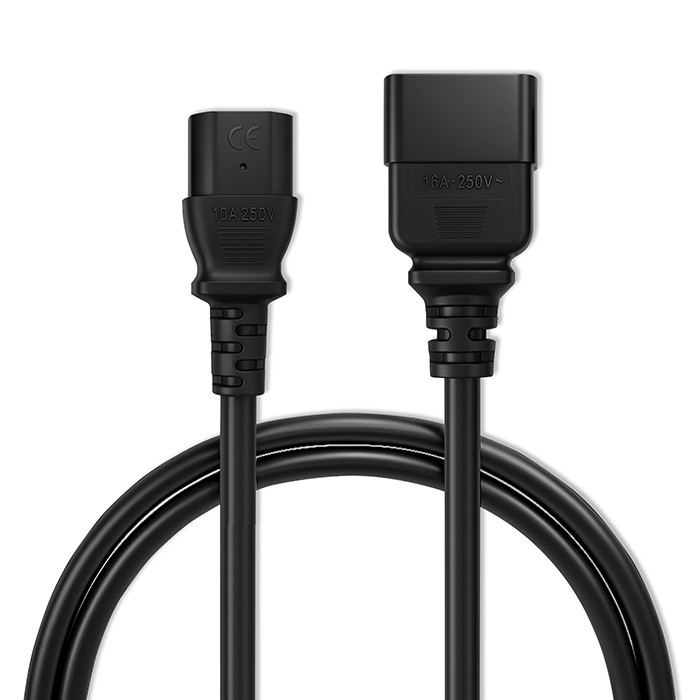
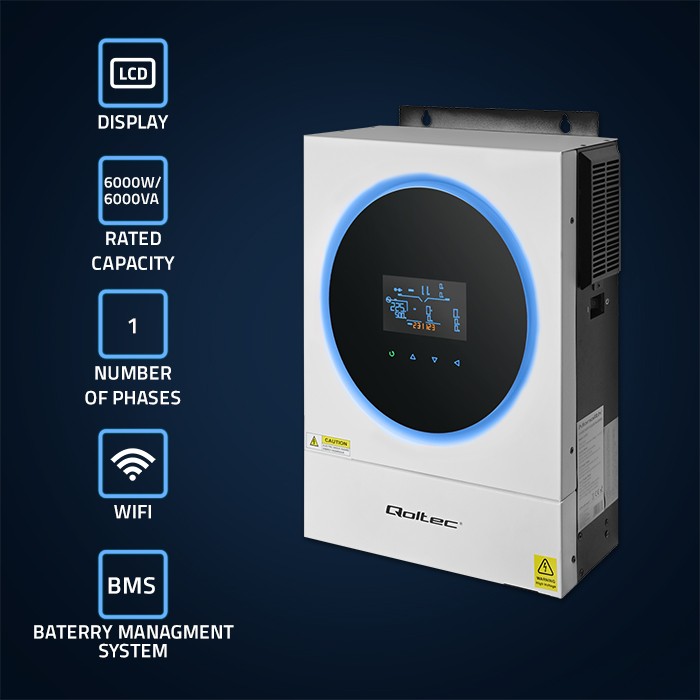
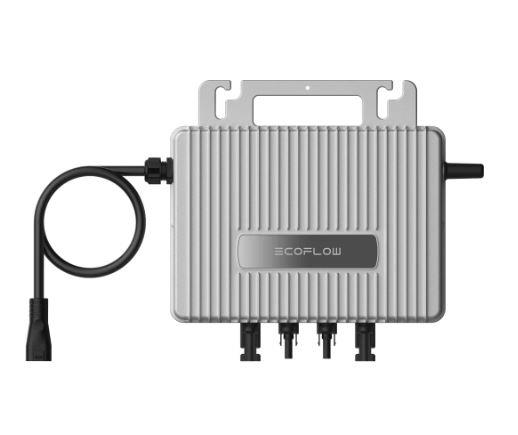
Qoltec hybrid inverter – ideal for energy storage.The Ecoflow microinverter maximises the output of every panel.The right tools ensure safe, reliable installation.
Popular Brands in Our Range: Foxess, Qoltec and More
Quality is essential when it comes to solar energy systems. That’s why our range features only reputable, trusted manufacturers. Foxess is known for its advanced hybrid and grid-tied inverters, which offer excellent efficiency and smart monitoring features. Qoltec offers a wide range of affordable yet powerful off-grid and hybrid inverters, ideal for summer cottages and standalone systems. Ecoflow is known for its innovative portable solutions and microinverters. Every solar inverter sold in our online store comes with a warranty for your peace of mind for years to come.
More Than Just Inverters: Accessories and Controllers
A complete solar energy system consists of several components. Alongside inverters, you’ll find everything you need to build and manage your system in our store. MPPT charge controllers are essential in off-grid systems for charging batteries as efficiently as possible. Wi-Fi and GPRS modules let you monitor your system’s output in real time via a smartphone or computer. We also offer quality installation accessories, including specialist tool kits, cables and secure solar panel connectors to ensure your system’s longevity and safety. Our range also includes portable power stations, excellent companions for camping trips or unexpected power outages.
Expert advice: Don’t underestimate the quality of accessories, especially cables and connectors. A poor connection or an incorrectly sized cable can lead to significant energy loss and may even pose a fire hazard. Always invest in quality, weather-resistant components—it’s a small expense that helps ensure the safety and maximum output of your entire system.
Why Choose ZAZA?
Wide selection and expert advice: We’ve brought the best solar inverters and accessories together in one place. Our product descriptions will help you find the right solution for your needs, whether it’s a powerful hybrid inverter or an affordable off-grid unit.
Competitive prices: We offer quality equipment across a range of price points. Our goal is to make solar energy accessible to everyone in Estonia, with transparent pricing and great deals.
Always free delivery across Estonia: Whether you’re ordering to Tallinn, Tartu, Pärnu or a small village on Saaremaa, delivery of your inverter is always free when you order from our online store. This makes shopping online convenient and affordable.
Frequently Asked Questions (FAQ)
What’s the difference between a pure and modified sine wave?
A pure sine wave is identical to mains electricity and suitable for all devices. A modified sine wave is more ‘square’ and is only suitable for simpler devices such as tools or heating appliances, but may damage sensitive electronics. All the modern inverters in our range produce a pure sine wave.
Can I install an inverter myself?
Installing smaller off-grid systems (e.g. at a summer cottage) and microinverters is often manageable for someone with technical skills, provided they follow the manufacturer’s instructions. However, in Estonia, grid-connected systems must by law be installed by a licensed electrician, who ensures safety and compliance with regulations.
How long is the inverter warranty?
The warranty period depends on the manufacturer and model, but is usually between 5 and 10 years. Some premium manufacturers also offer extended warranty options. Exact warranty details are always listed on the product page. We only sell products with an official warranty in our online store.
Please log in or create an account to request product availability.
For private customers
At checkout, product prices are automatically adjusted according to the VAT rate in your delivery country.
For B2B customers and legal entities
Registered B2B customers and legal entities receive personalized wholesale prices. After registering, contact us and we’ll activate your company’s individual discount. Special prices for all products will then be shown automatically in your account.